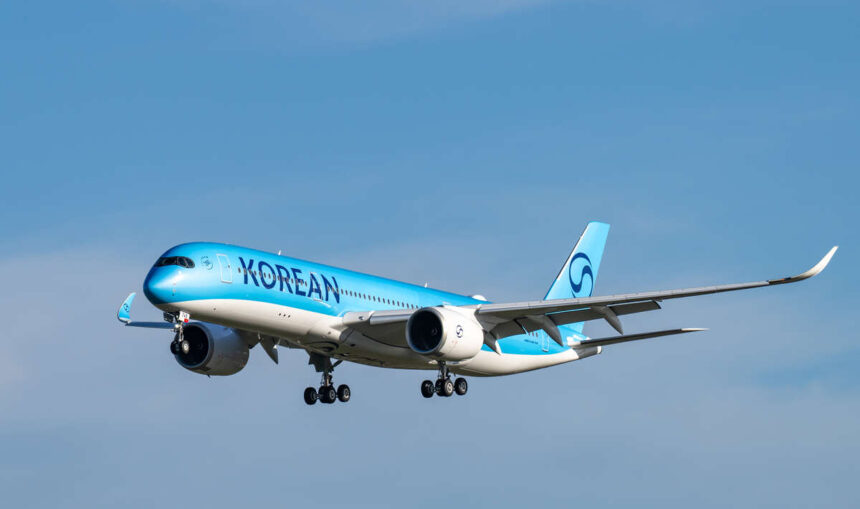
Korean Air has formally authorised the alteration of its official articles of incorporation to the two-letter code ‘KE’ after having used ‘KAL’ for more than 60 years. The decision for an abbreviation change that breaks away from the familiar branding was taken at the company’s annual shareholders’ meeting, on March 26, 2026.
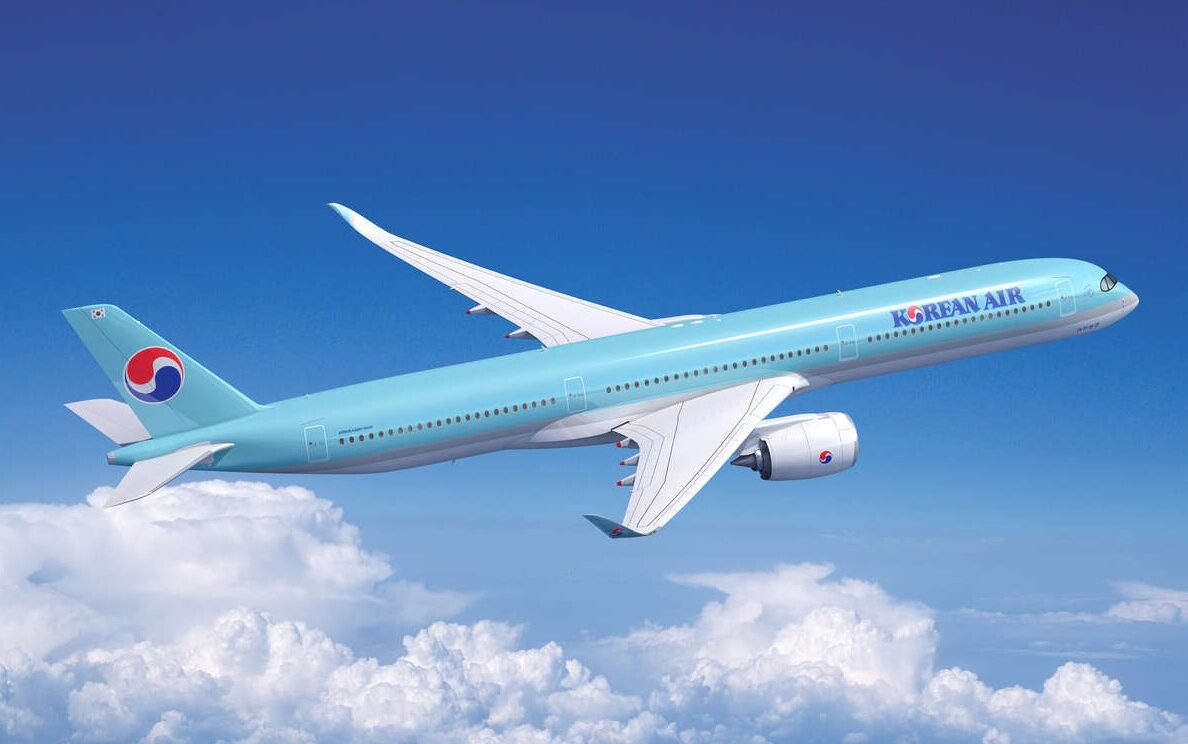
Korean Air’s Rebrand
The Korean Air abbreviation change, which observes the switch from ‘KAL’ to ‘KE’, is one aspect of a larger rebrand to restructure the company’s core corporate identity and shift any remaining negative public opinion of the airline lingering from past incidents.
Other Hanjin Group businesses currently utilising the abbreviation in their titles or branding are expected to follow suit in gradually phasing out ‘KAL’ entirely. The retirement of the abbreviation aims to assist the wider Korean Air rebrand ahead of the company’s planned merger with Asiana Airlines.
This rebranding can also be observed in the company’s introduction of a new corporate emblem last March, which exhibits a sleeker version of Korean Air’s signature Taegeuk symbol, and the new logo that was released by the airline’s parent company, Hanjin Group, in October 2025.
In a similar fashion to Korean Air, Hanjin Group’s new logo maintains the founder’s original ‘H’ design, blending respect and appreciation of tradition with a fresh image in the overhaul rebrand.
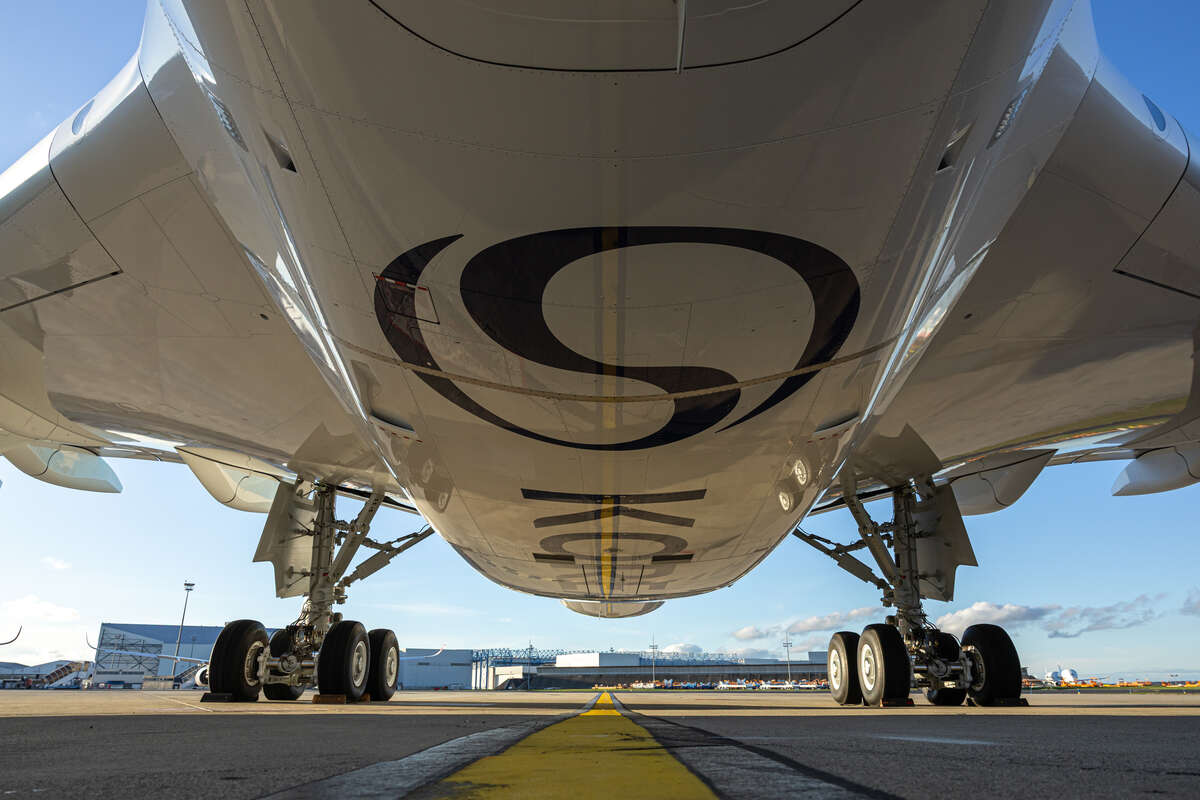
Origins of ‘KAL’ and its Negative Image
The abbreviation ‘KAL’ is short for Korean Air Lines and was coined with the very establishment of the company in 1962, but only gained wider usage when acquired by Hanjin Group in 1969. Having been legitimised as a core aspect of the airline’s corporate image, ‘KAL’ was universally recognised, remaining so even after the airline’s primary brand name was changed to just ‘Korean Air’ in 1984.
This rebrand came after three severe plane crashes from April 1978 to September 1983, cultivated a distrust of the airline. A further four severe crashes in the decade between 1987-1997 only exacerbated this distrust, with the last of these crashes killing 21 of the 23 crew members and 207 of the 231 passengers onboard. More recently, the airline’s safety rating was downgraded from A to B in the Ministry of Land, Infrastructure and Transport’s 2022 Air Traffic Service Evaluation following two incidents occurring in September and October of that year.
In the past couple of years, though, the airline has been praised for its improvements, has had no major incidents, and maintains a good safety record overall. In fact, despite being listed by Airline Ratings as the 10th safest world airline in 2026 and having been awarded ‘Asia Airline of the Year’ in 2025, Korean Air maintains poor reviews on Trustpilot and remains associated with poor quality and safety in the broader collective memory.
Korean Air’s abbreviation change highlights the company’s overhaul rebrand, whereby the firm is ready to welcome a new chapter focusing on its merger with Asiana Airlines.
Will the Korean Air rebrand eliminate negative associations and aid the company’s reputation? Share your thoughts in the comments!