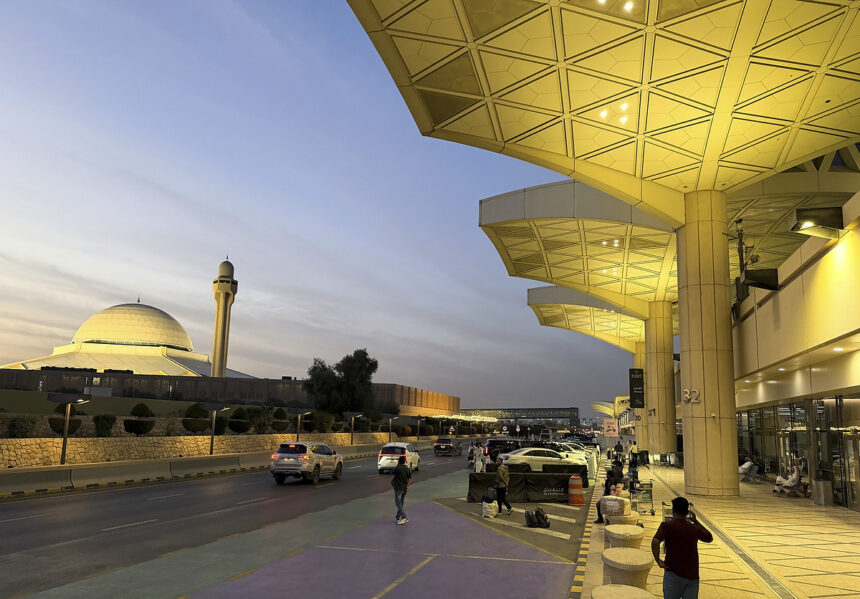
Riyadh’s King Khalid International Airport (RUH) partially resumed operations on Oct. 25 following a series of strikes by Yemen’s rebel group, the Houthis. The group has responded to the move by renewing its warnings to the Saudi government about travel, stating that the airport remains a “military target”. Airports in Saudi Arabia have become a target of the Houthis due to escalating tensions in the Middle East and Saudi military action in Yemen.
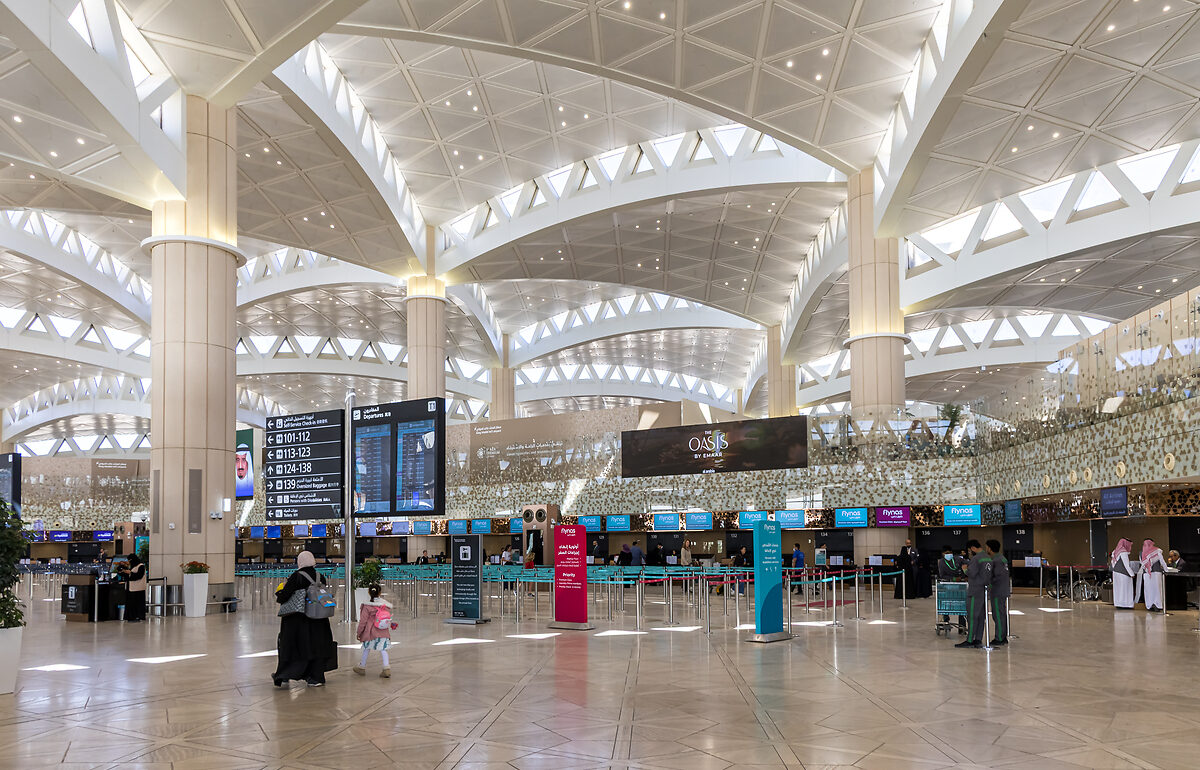
Riyadh Airport Reopened After Houthi Strikes
Following the deadly attack that targeted Riyadh Airport and killed 13 people, the airport’s operations have been suspended since Oct. 10. Yemen’s Iran-backed Houthis claimed responsibility for the strike and have continued to launch attacks on Saudi Arabia’s airports since, the latest of which hit King Fahd International Airport in Dammam (DMM).
On Oct. 24, the airport’s management posted on X, confirming that two terminals would reopen on Oct. 25 for domestic and international services.
The airport announced that it would designate different terminals for specific services when it reopened. Operations have not fully resumed, however. Terminal 1 will manage domestic services, and Terminal 2 will handle international flights being operated by national carriers.
The Saudi-led coalition helping Yemen’s government fight the Houthis has confirmed that barrages of drones and missiles continue to be intercepted as the conflict continues, the most recent of which was a day after the airport’s partial reopening, Oct. 26. The Middle East Eye reported that the Saudi coalition had stated three drones had been intercepted over the Riyadh and southern regions of the kingdom.
The coalition said previously that the Houthis had carried out 20 attacks at the airport between Oct. 1 and Oct. 11, indicating the scale of this conflict.
Data from AirNav Radar shows that while airlines are beginning to schedule arrivals and departures from RUH’s reopened terminals, most services are domestic and operated by national carriers. Some international services that have resumed include arrivals from Cairo, Dhaka, and Hong Kong as well as departures to Shenzhen and Mumbai.
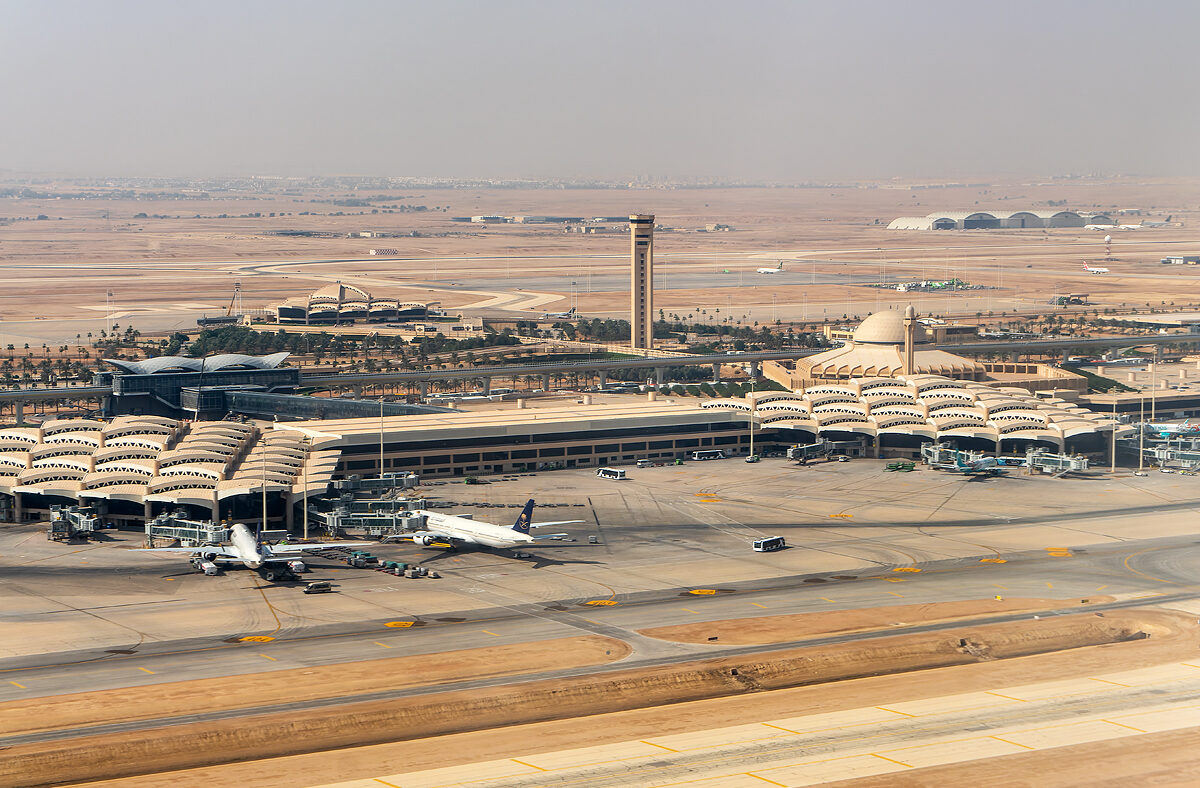
The Context Around Riyadh Airport’s Closure and Reopening
As reported by Travel Radar, on Oct. 10 King Khalid International Airport was targeted in a Houthi-claimed attack that killed 13 people and injured an additional 300.
Just a day later, the airport was struck by a second airstrike in which another person was killed and a further 11 suffered injuries. The airport has remained closed since the attacks, and the Houthi group has maintained that Saudi airports will continue to be military targets for the group.
After declaring that Riyadh airport would partially resume operations, Houthi military spokesperson Yahya Saree said Riyadh’s airport would “never be safe” and urged airlines, airport staff, and travellers to avoid using it. More general threats against Saudi Arabia’s airports were also made, confirming that RUH would continue to be a target for the group.
As a result of the consistent targeting of aviation hubs in the kingdom, the UK issued travel warnings to British citizens on Oct. 13, urging them to travel to Saudi Arabia only if absolutely necessary because of the ongoing threats to public safety. This travel advice from the Foreign, Commonwealth & Development Office (FCDO) remains in place.
The cause of the conflict centres around Saudi Arabia’s involvement in Yemen. The Houthis, a rebel political and religious group, have maintained control of parts of northern and eastern Yemen since 2014, including the nation’s capital. Whilst denying claims of being an Iranian proxy, as reported by the BBC, the group has described itself as being politically aligned with the country.
Saudi Arabia has been a consistent ally to Yemen’s internationally recognised government and has supported it in retaking Houthi-controlled territory. The recent escalation has been attributed to Saudi military action in Yemen by the Houthis.
What do you think of the announcement that Riyadh Airport has partially resumed services? Let us know in the comments below.