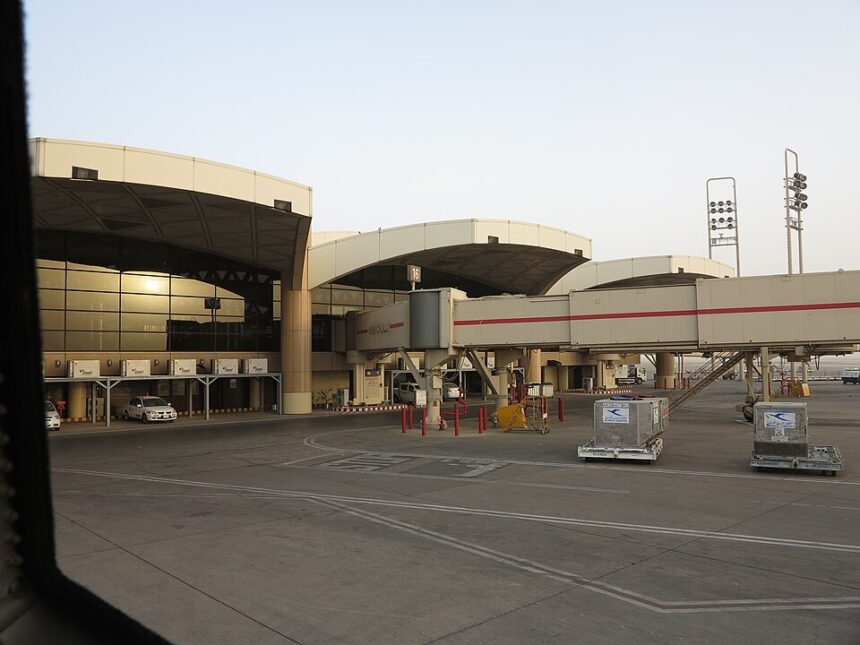
Officials from Saudi Arabia’s General Authority of Civil Aviation (GACA) have confirmed that a second airstrike has hit an airport in the kingdom just a day after the deadly attack on Riyadh’s King Khalid International Airport (RUH). The airport was hit for a second time on Oct. 11 in an attack that has since been claimed by Houthi rebels, who were also responsible for the previous day’s attack. The attack also targeted Dammam’s King Fahd International Airport (DMM).
Riyadh Airport Struck in Second Attack by Houthis
Saudi Arabia’s aviation officials have confirmed that a second attack against King Khalid International Airport was launched on Oct. 11. The attack came just a day after the devastating incident at RUH, which killed 13 people and injured several hundred more.
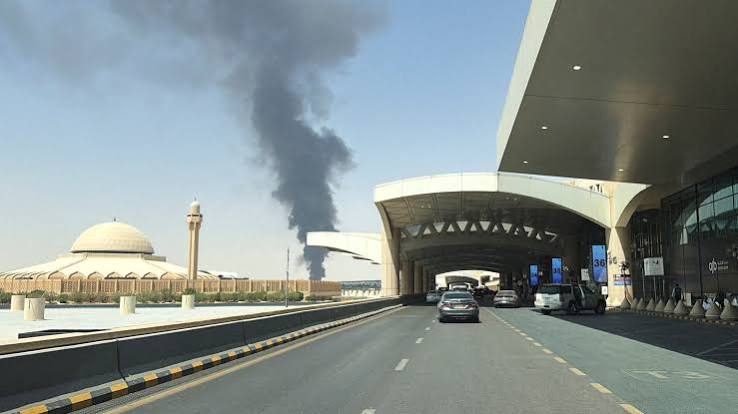
RUH was the target of another airstrike; the airport’s Terminal 4 was reportedly hit by an “unidentified projectile” which caused a fire, according to a Saudi-led coalition fighting the Houthis in Yemen. An eyewitness reported that a projectile struck the tarmac near several parked aircraft at about 8.30 p.m. local time.
Early reports of the incident have alleged that one person was killed, and a further 11 were injured in the latest attack. Saudi air defences also intercepted a cruise missile near RUH. The airport has remained closed since the first incident on Oct. 10.
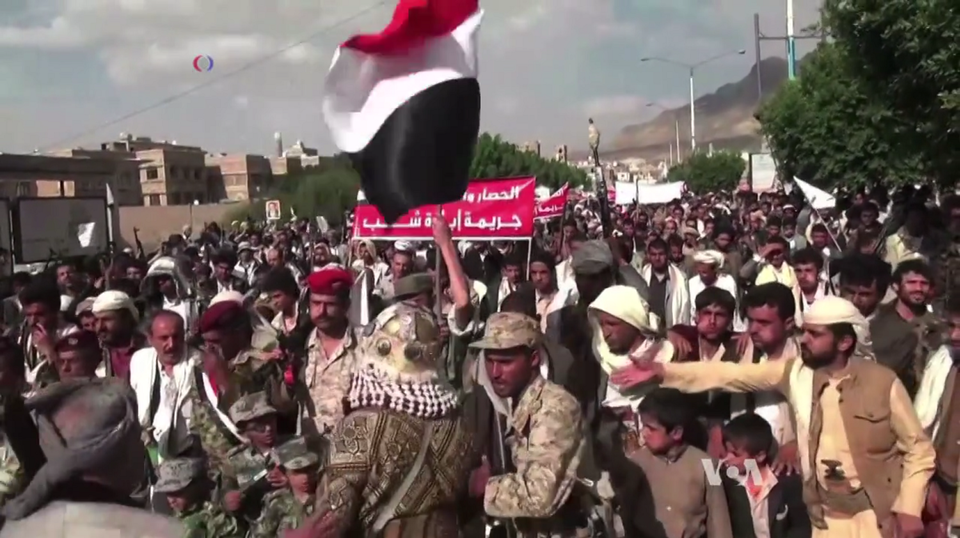
Yemen’s Houthis have claimed responsibility for both attacks on Saudi Arabia’s largest airport. In a televised speech on Oct. 11, a Houthi military spokesperson acknowledged the attacks and also said the group had attacked Dammam’s King Fahd International Airport as well as two facilities owned by Saudi oil company Aramco.
In the speech, Saree renewed the Houthis’ warning to airlines, airport staff and travellers against using Saudi airports whilst the conflict was escalating. He stated:
“We urge everyone to take our warnings seriously, and Saudi Arabia bears responsibility for any failed interceptions.”
UK Embassy Warns Against Travel to Saudi Arabia
The Houthis, officially known as Ansar Allah, are a rebel group that emerged from Yemen’s civil war that killed hundreds of thousands and displaced approximately 4 million people. Though the group is often reported as being “Iran-backed”, the group has denied being an Iranian proxy but instead acknowledges their shared political affinity.
As tensions in the Middle East have escalated, Saudi Arabia has increased its military involvement in Yemen, which the Houthis have claimed as a reason for the attacks against the kingdom.
The Houthis have claimed Saudi Arabia has carried out 124 airstrikes in Yemen within a 24-hour period over the weekend. Saudi Arabia has been supporting a government counteroffensive after the rebel group seized strategic territory along the Red Sea coast last month.
The unofficial foreign minister of the Houthis has warned that further Saudi military action in Yemen would prompt a stronger response from the group. The minister said the group’s actions would be guided by a principle of reciprocity.
With the conflict in the Middle East ongoing, and with no clear resolution in sight, it is unclear what the full extent of these attacks will have on Saudi Arabia’s aviation industry. Riyadh’s airport will likely remain closed until authorities have assessed and prepared for the threat level to travellers.
GACA also stated that Dammam’s airport had been the target of an attack by the Houthis, though no casualties were reported, and that damage assessments were underway. As the second airport directly hit in this series of attacks, travel into the kingdom has been significantly restricted.
The UK’s Foreign Office has officially updated its travel advice for Saudi Arabia following the latest strikes against Saudi airports. The ministry has warned against all but essential travel to Jeddah and Dammam and to all airports in the country except Medinah’s international airport.
The Foreign Office has advised British Nationals wishing to leave Saudi Arabia to seek its advice on possible alternative land routes. The ministry has stated that King Khalid International Airport in Riyadh should be avoided entirely until it has been secured in light of the strikes.
At Travel Radar, our thoughts are with those affected by these attacks and their loved ones.