

Under new security regulations imposed by Israel, foreign airlines will be banned from using pilots and cabin crew from countries without diplomatic ties to Israel on flights entering Israeli airspace or landing in the country. These updated security restrictions were issued on Oct. 7, in the aftermath of the attempted hijacking of a FlyDubai flight that was carrying Israeli passengers and was due to land at Ben Gurion Airport in Tel Aviv (TLV).
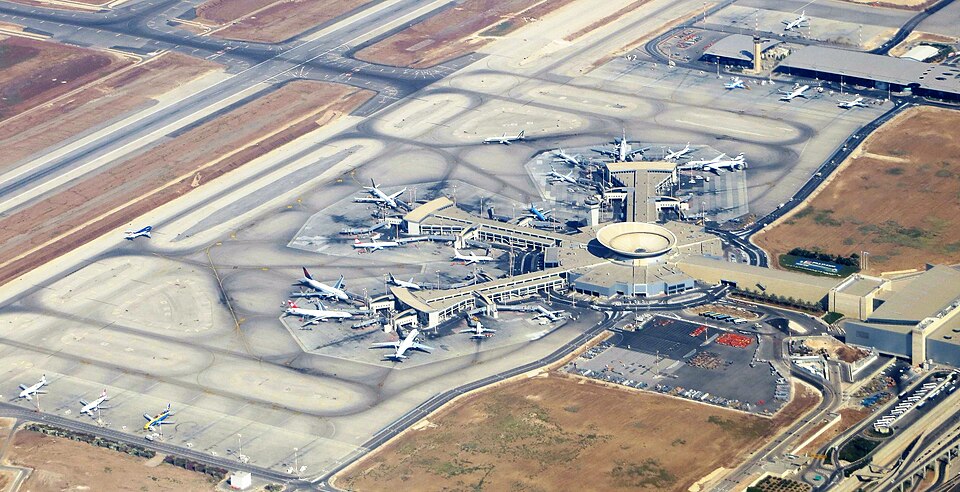
Airlines to Face Tighter Restrictions on Aircraft Personnel
On Oct. 7, the Israeli Ministry of Transport announced that foreign airlines would not be allowed to use pilots or cabin crew who held citizenship, or dual citizenship, from countries that do not maintain formal diplomatic relations with Israel.
The restrictions apply to all flights touching down in Israel, as well as those merely entering Israeli airspace on their journey. Yeshiva World News reported that the directive would apply to all foreign airlines operating passenger flights and charter services, with no exceptions.
The new regulations were issued in the aftermath of the FlyDubai hijacking attempt that saw an Israeli-bound aircraft’s pilot attack his copilot and attempt to take control of the plane.
Airlines will be responsible will be required to ensure that staff working on their flights that enter Israeli airspace meet Israel’s requirements by conducting checks on the citizenships their staff hold, including any instances of dual citizenship.
This is an update to the regulations that were introduced in the immediate aftermath of the FlyDubai incident. Initially, background checks were required for all flight personnel; however, nationality restrictions only applied to cockpit crews. The updated regulations now have stipulations on the nationalities of all individuals aboard the flight.
This effectively bars individuals from affected countries from working aboard any services operating within Israel or its airspace.
Airlines that fail to comply risk facing a revocation of their authorisation to fly into Israel.
In addition to the implementation of these restrictions, Israeli authorities are reportedly also developing a digital security mechanism that would require foreign flight crews and passengers to obtain electronic aviation clearance approximately 24 to 48 hours before departure.

New Israeli Restrictions Set Off Controversy
The new regulations introduced by the Israeli government have sparked controversy over the number of countries that have been affected by the policy, especially as a large number of them are Muslim countries.
Airlines such as United Airlines and Air France have reportedly already informed affected staff that they will be unable to work on flights flying to, or flying through, Israel.
The restriction covers 31 countries with no formal diplomatic ties to Israel and includes nations such as Oman, Algeria, Tunisia, and Pakistan. Though the policy makes no direct reference to religion, critics have highlighted that the majority of countries affected either have Islam as an official religion or have a Muslim-majority population.
In an investigation conducted and published by Mediapart, it was reported that Air France had warned its staff that they must declare if they had a secondary nationality and held dual citizenship; if they failed to comply, they risked facing disciplinary sanctions.
Business Insider Africa reports that United Airlines had also circulated an internal memo to its staff that named the countries whose citizenship staff could not hold if they were to work on its Tel Aviv service.
Critics have already begun highlighting the questionable nature of this regulation and of treating employees based on nationality and citizenship, especially when many of the affected personnel may hold dual citizenship with a country not otherwise affected.
This leads to greater questions about the kinds of background checks and restrictions that nations should be allowed to implement in the name of security, especially in the case of discriminating against particular nationalities.
What do you think of Israel’s new security regulations? Let us know in the comments below.