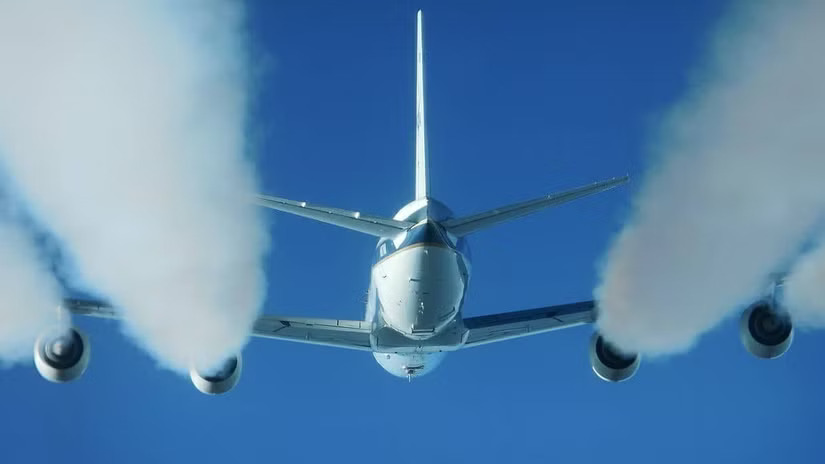
Air France is focused on mitigating the long-term “non-CO₂” effects of aviation, especially condensation trails (contrails). This initiative fits with the airline’s broader strategy to reduce climate effects. This will be achieved through research involving 4,300 commercial flights impacted by contrails and studying how these environmental effects can be successfully reduced.
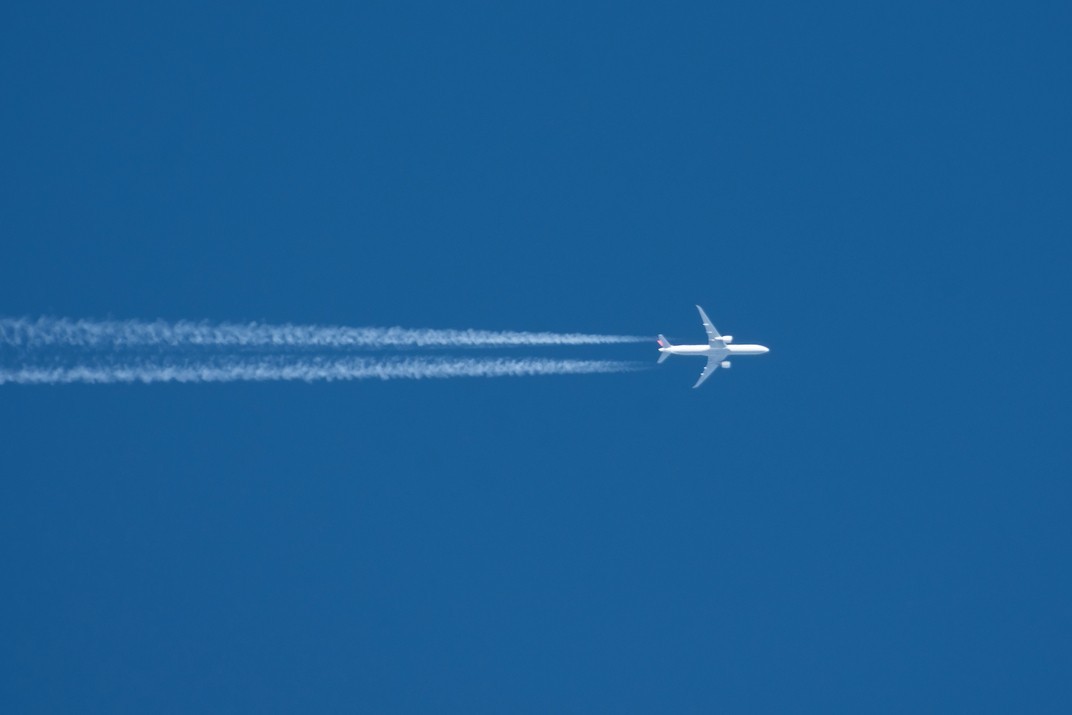
Air France’s tests involving 4,300 commercial flights
Contrails are the white trails often seen behind aircraft in the sky. Most contrails disappear after a few minutes, however, under specific conditions some can remain in the atmosphere for several hours. This creates artificial clouds.
Between February and April of 2026, Air France created an experiment to test whether there was a high probability of persistent contrail formation in specific areas.
The experiment was conducted through a partnership with Estuaire and Klima, two French start-ups tackling aviation’s climate impact. Based on evidence from weather conditions, Air France teams identified 245 routes with a high potential for climate impact, resulting in alternative flight paths being put in place. Around 130 routes were effectively rerouted to reduce climate impact.
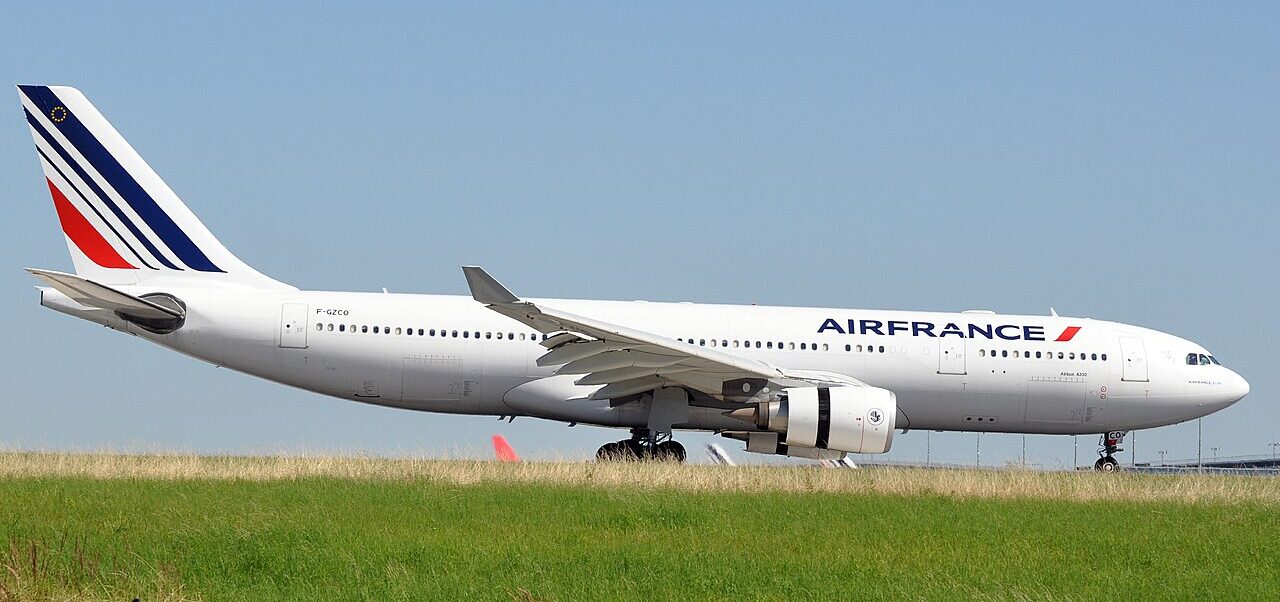
The measurable impact of Air France’s contrail tests
According to data posted on Air France’s website based on the contrail tests, flights rerouted during the test avoided a climate impact of about 22,000 tons of CO₂. This reduced the climate impact of contrails by 8% across the test’s scope.
The aviation benefits of rerouted flights included a 57% fall in the climate impact of contrails and a 36% fall in their overall climate impact.
What do you think about Air France’s contrail tests and reduced overall contrails? Share your thoughts in the comments below.