Airlines around the world are facing new financial pressure as oil prices surge following the escalation of conflict in the Middle East. The spike in fuel costs is already affecting airline stocks and may soon translate into higher ticket prices for passengers.
Airlines Face Rising Costs and Market Pressure
Since the latest escalation in the conflict, oil prices have jumped sharply, pushing airline shares lower across several global markets as investors react to the potential impact on operating costs. Several airline stocks fell after oil prices climbed to their highest levels in months.
Fuel is the second-largest expense for airlines after labour and typically represents about one-fifth to one-quarter of their operating costs. When oil prices rise quickly, airlines either absorb the additional expense or pass it on to passengers through higher fares.
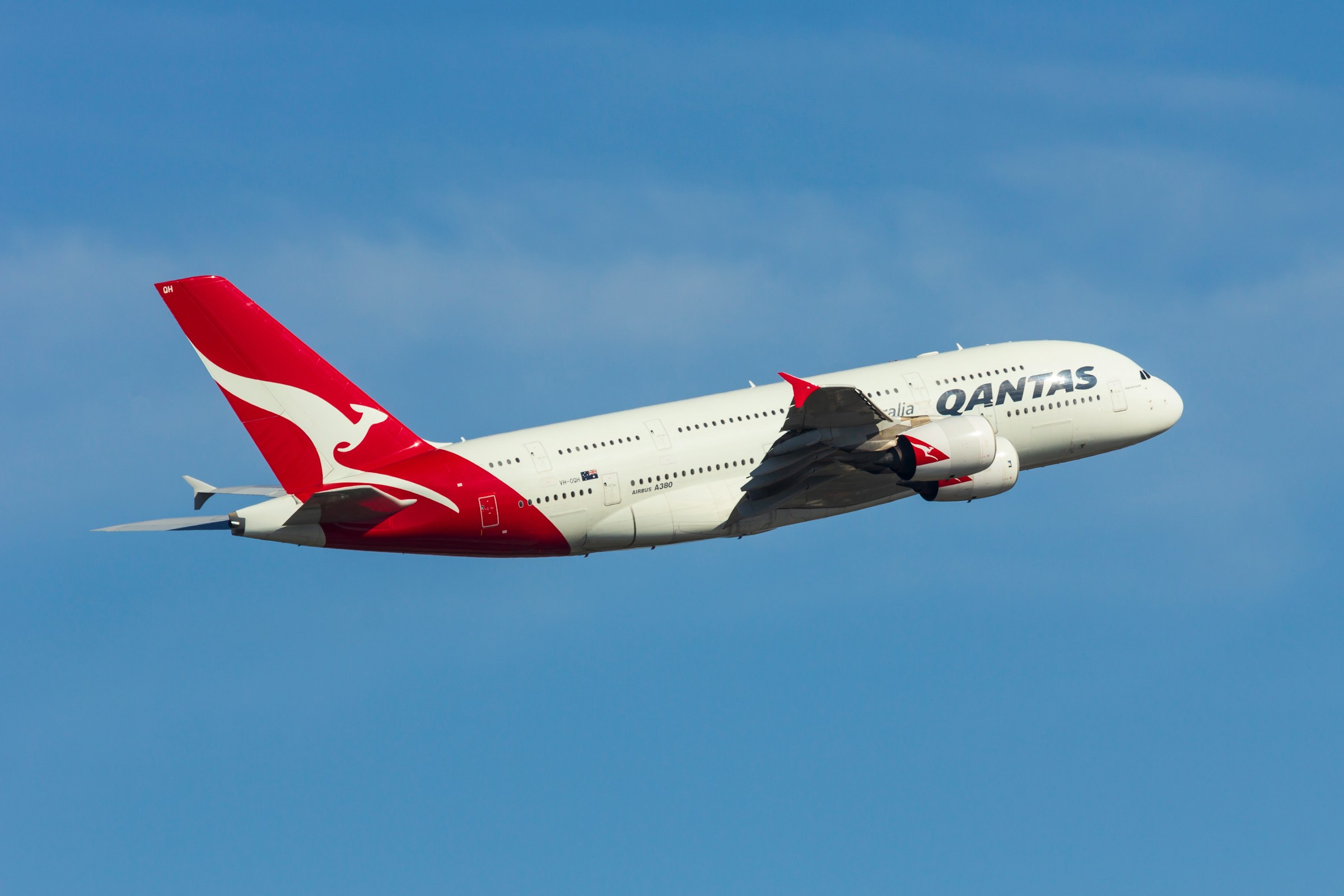
Some carriers have already begun adjusting prices. Qantas said it has increased international ticket prices in response to volatile fuel costs linked to the conflict. Other airlines are also monitoring the situation closely and could make similar moves if prices remain elevated.
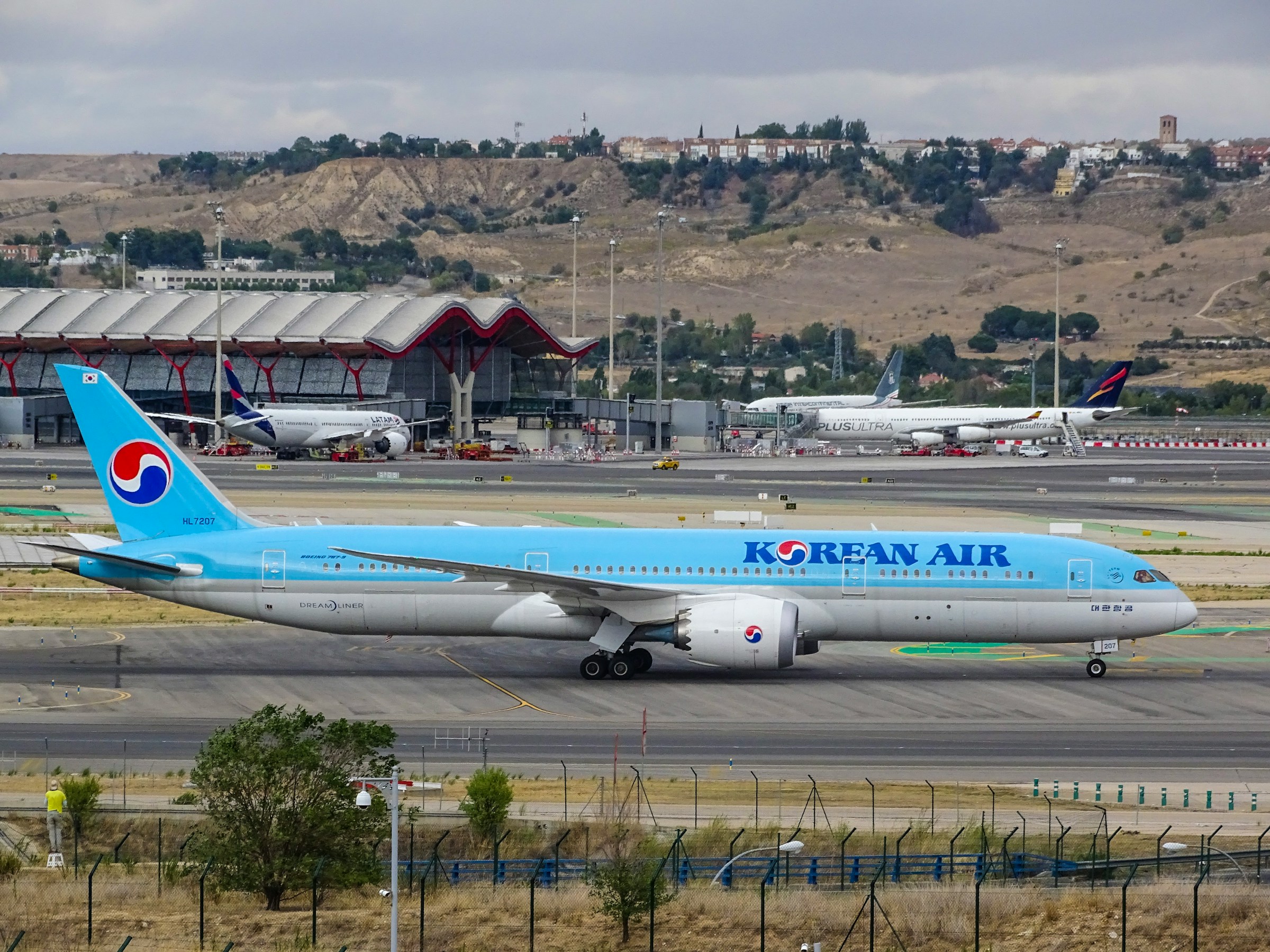
Recent ticket data show how quickly prices can jump. According to flight search data cited by Reuters, a direct flight from Seoul to London on March 11 with Korean Air surged to about $4,359, compared with $564 just a week earlier. Meanwhile, fares between Los Angeles and Lima climbed to roughly $2,125 from about $499 during the same period.
Possible Impact on Routes and Flight Availability
Beyond ticket prices, the fuel situation is also starting to affect airline operations in other ways. Some carriers are reviewing routes or adjusting schedules as operating costs rise sharply.
Air France has announced it will temporarily suspend flights between Paris and Havana from late March until at least mid-June due to ongoing fuel supply shortages in Cuba. The airline had previously been refuelling in the Bahamas to keep the route operating but has now decided to pause the service.
Other airlines that have already suspended some Cuban routes include Air Canada, Air Transat, WestJet, Nordwind Airlines, and Rossiya Airlines.
For travellers, the combination of higher fuel prices and geopolitical tensions could mean more expensive tickets and occasional route disruptions. Rising fuel costs, and the ticket price increases that often follow, could also weaken travel demand and significantly affect tourism in 2026.
What’s your take on these developments? Let us know in the comments.