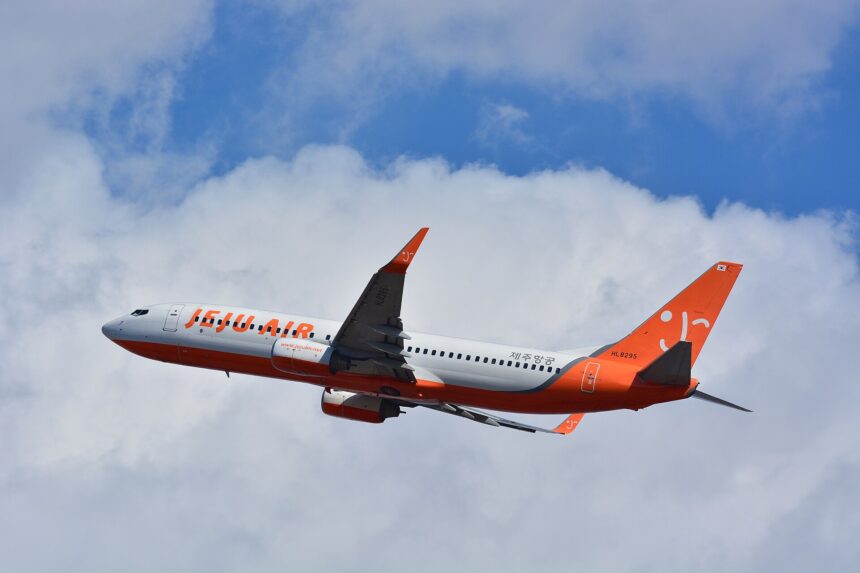
Seven transport ministry officials from South Korea have been referred to prosecutors in relation to the Jeju Air crash that occurred on December 29 2024, following an investigation into the cause of the tragic incident.
Prosecution Referrals
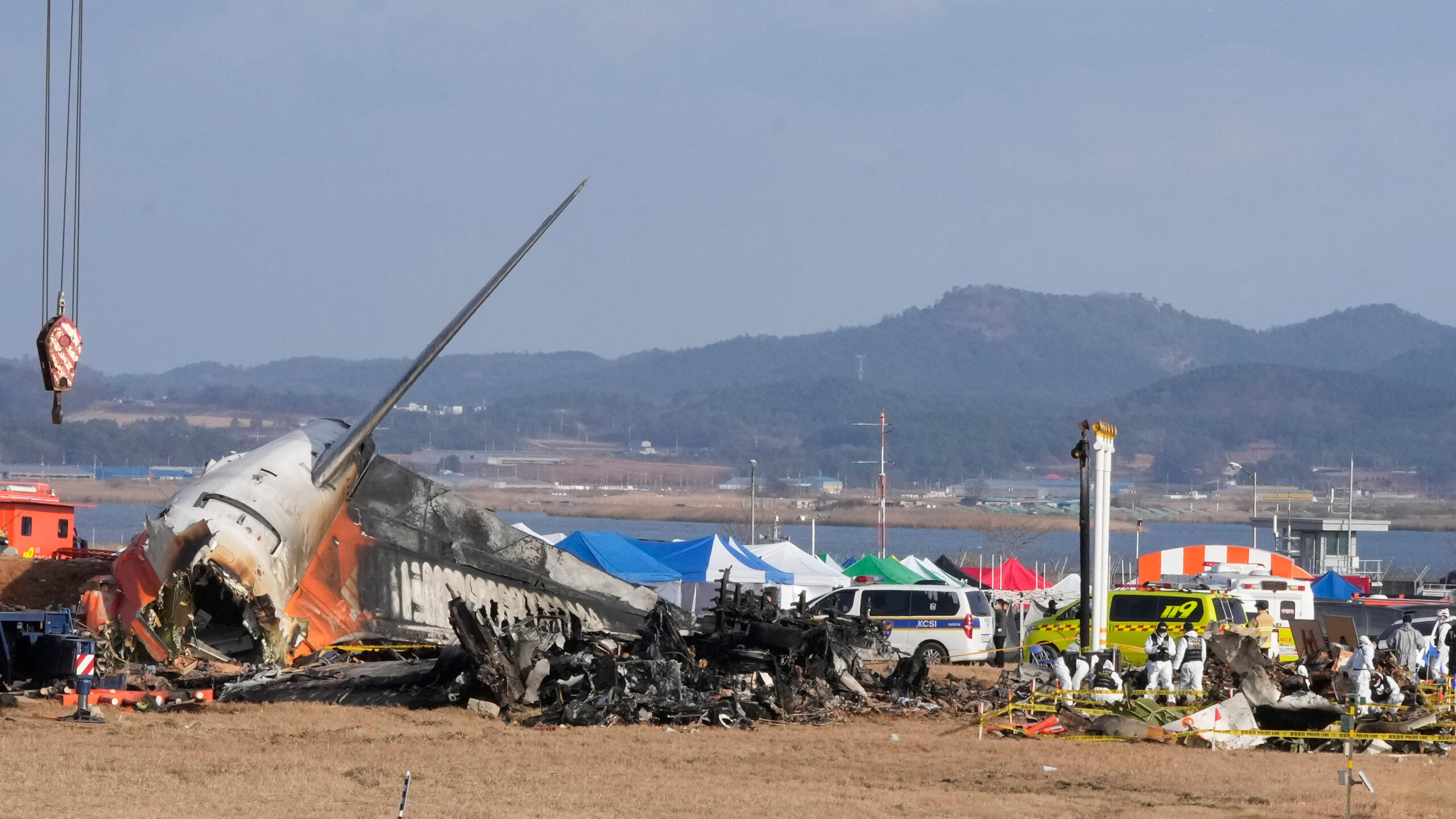
It has been reported that seven South Korean transport ministry officials have been accused of allegedly issuing misleading information about the airport localizer at Muan International Airport (MWX) that was hit by Jeju Air flight 2216 as it crash landed on December 29, 2024.
The accident involved a Boeing 737-800 aircraft travelling from Thailand to South Korea, which experienced a bird strike as it approached MWX. After issuing a mayday alert and performing a go-around, the landing gear did not deploy on the second landing attempt, causing the the airplane to belly-land beyond the normal touchdown zone. At high speed, the aircraft overran the runway and crashed into the reinforced concrete structure that supported an antenna component of the instrument landing system (ILS). Only two crew members survived, with 179 the 181 people aboard having been killed.
Police referred the transport ministry officials on suspicion of creating and using false official documents on August 25, 2026. It has been alleged that four of the seven drafted or reviewed two briefing documents that were distributed on December 30 and 31 of 2024, while the remaining three held supervisory roles at the time of the incident.
Incident Investigations
Investigations into the incident have since been ongoing. In January 2025, the Ministry of Land, Infrastructure and Transport stated that the localizer’s positioning complied with regulations, but acknowledged that the concrete structure was unsuitable. Later that year, in July 2025, South Korean media reported that the crew had been found by the investigation board to have mistakenly turned off the relatively unscathed left engine rather than the badly damaged right engine after the bird strike.
In January 2026, it was revealed that researchers had concluded that the passengers would have survived if the ILS antenna array and its support had been constructed in accordance with international safety guidelines. Police allege that the Ministry of Land, Infrastructure and Transport officials stated that the localiser at MWX had been instated in accordance with regulations, despite knowing that the installation did not comply with relevant domestic and international requirements.
A wider criminal investigation is currently underway, operating separately from the seven referrals, in which a further 67 people have been booked on suspicion of professional negligence resulting in death or injury. However, police confirmed that any final decisions on accident-related liability may depend on the findings of the Aviation and Railway Accident Investigation Board.
After the incident, the South Korean government decided to replace concrete structures at seven airports. As of September 1, 2026, Muan International Airport (MWX) remains closed as a result of the incident.
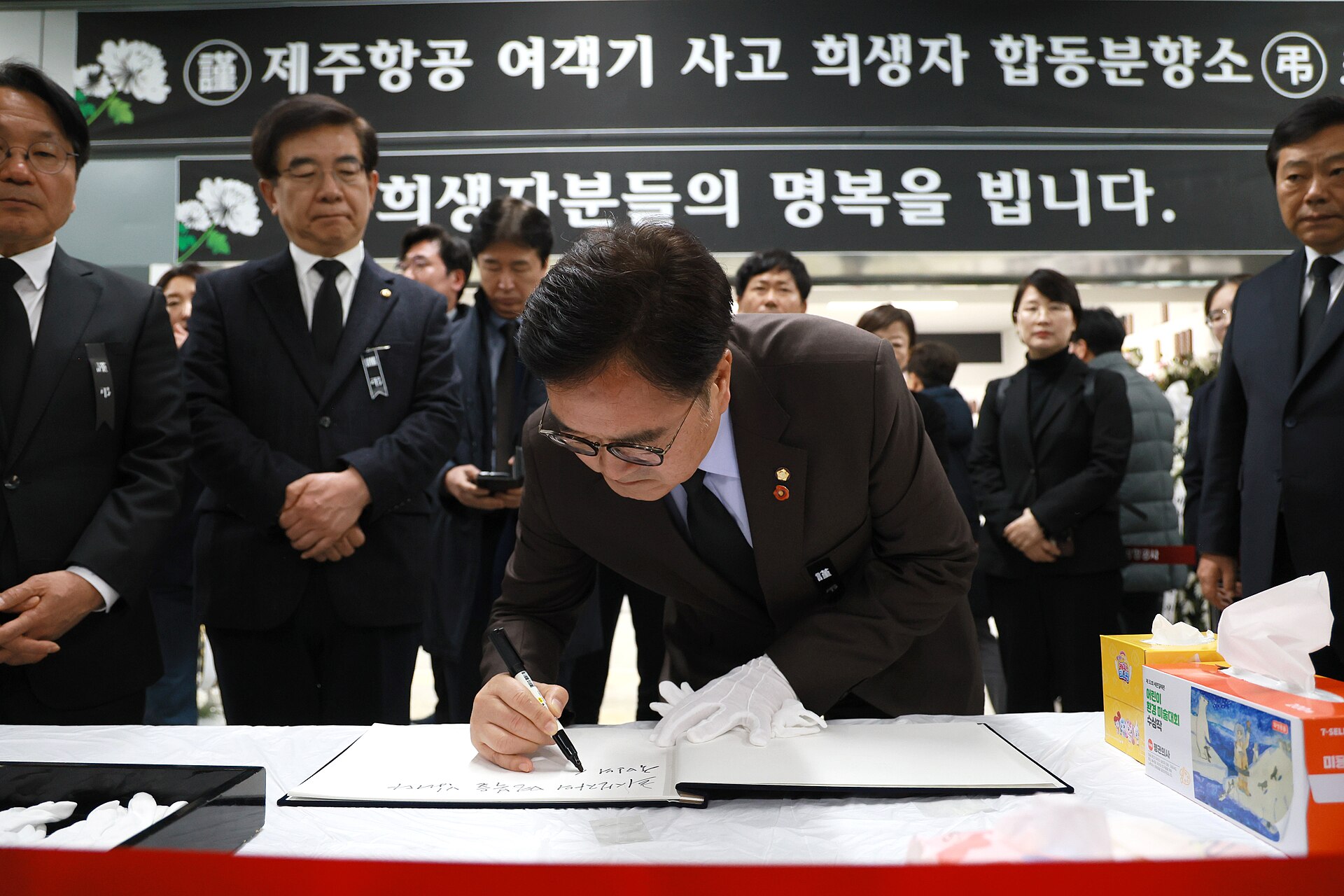
Our condolences go out to anyone impacted by this tragic incident.