One tourist was killed and three others injured in a helicopter crash in Nepal’s Everest region after two aircraft collided during an attempt to land on Nov. 3. The accident has raised concerns about aviation safety in the area, while authorities investigate the circumstances surrounding the collision.
Helicopter crash kills one near Everest
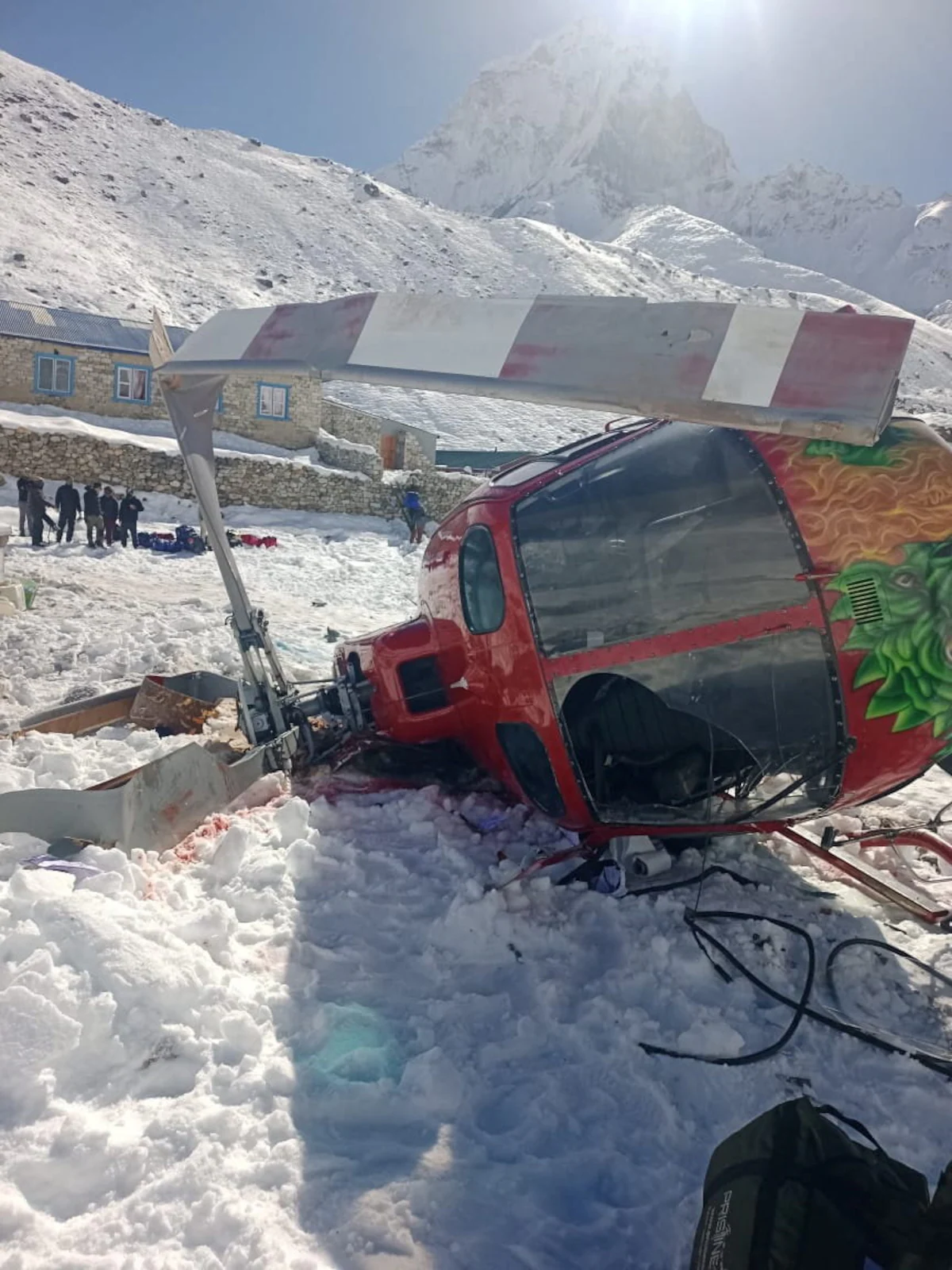
One tourist was killed and three injured after two helicopters collided on Tuesday, Nov. 3, while trying to land near Mount Everest base camp in Nepal.
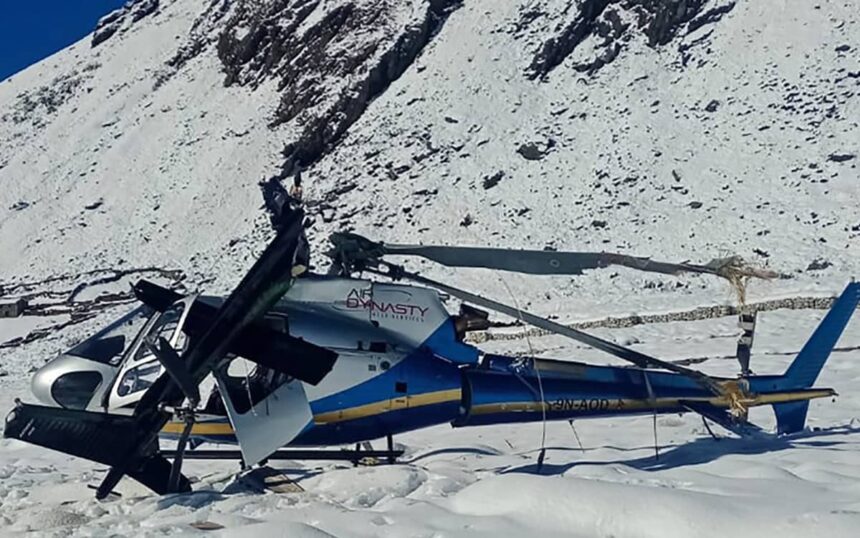
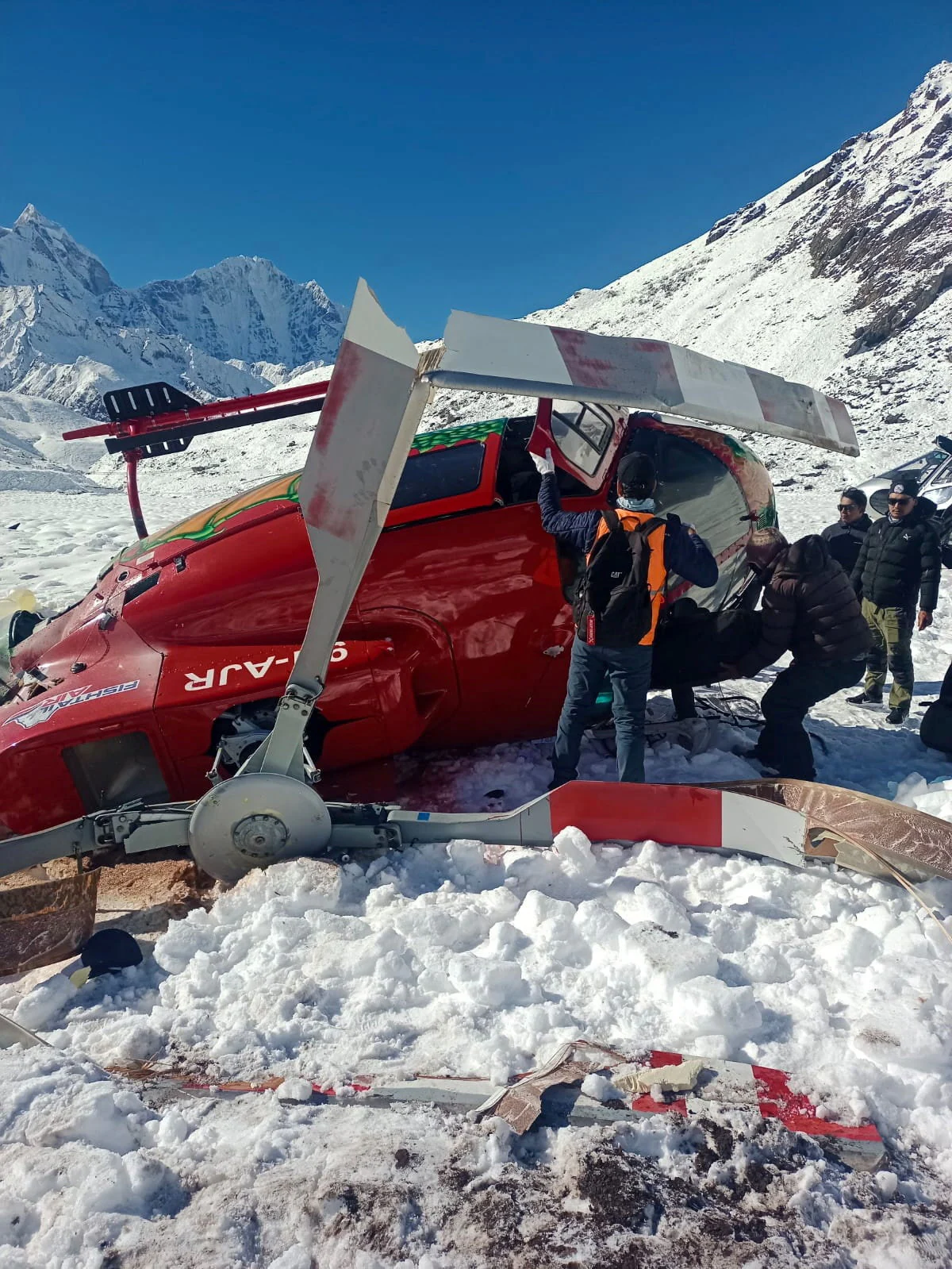
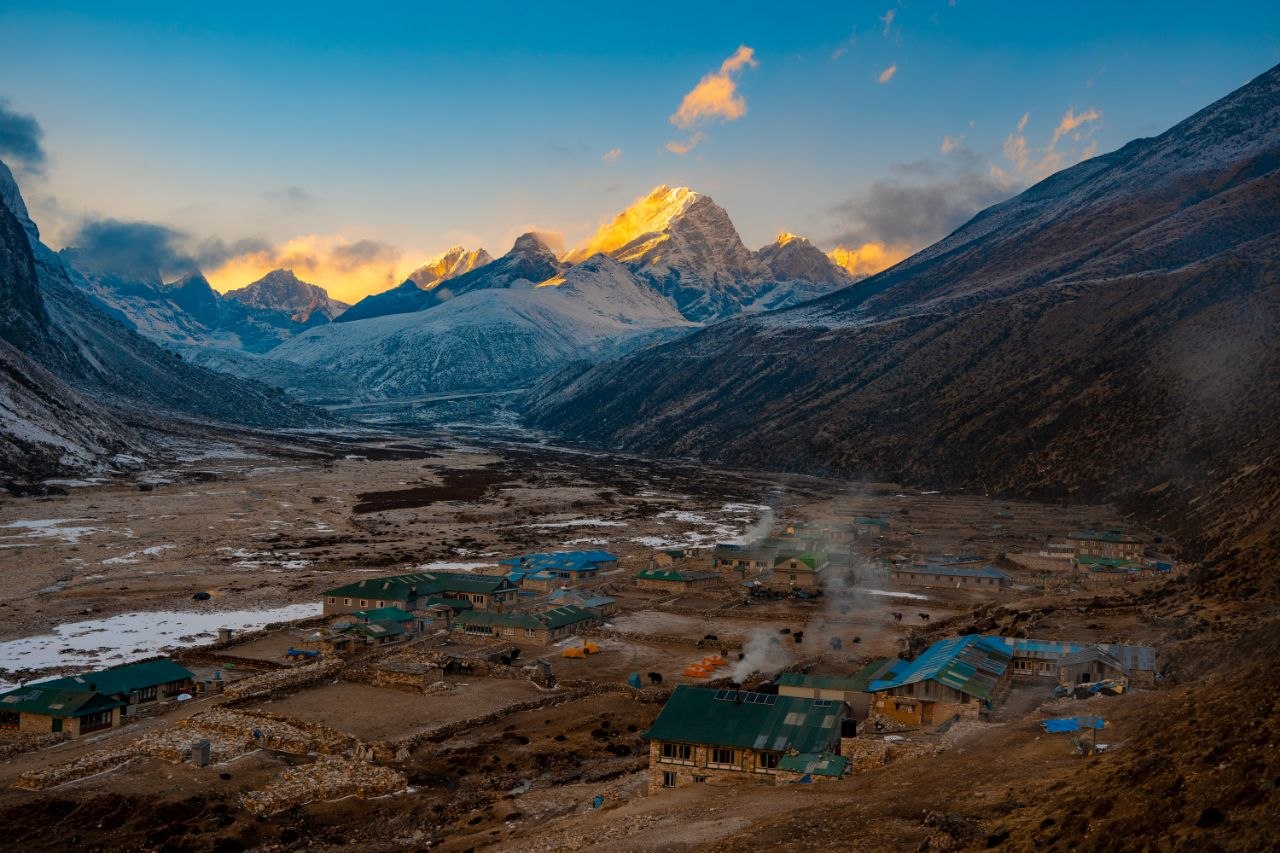
The accident occurred at approximately 8:12 a.m. local time in Pheriche, a village in the Solukhumbu district situated at around 4,371 metres (14,341 feet) above sea level. The aircraft were operated by two private companies, Fishtail Air and Air Dynasty, and collided while approaching the same landing area.
The deceased was identified as Vasanth Kumar Balaramudu, an Indian national travelling aboard the Fishtail Air helicopter. The injured included a passenger from New Zealand and the pilots of both aircraft. The passenger and Fishtail Air pilot were transported to Kathmandu for treatment, while the Air Dynasty pilot received medical care in Lukla.
This comes during Nepal’s peak tourist season. Pheriche is a popular stop off point during the Everest Base Camp trek with helicopters providing transport.
Investigation into Nepal helicopter crash
The Air Dynasty helicopter, registered as 9N‑AOD, had been flying a cargo mission from Lukla Airport. The Fishtail Air helicopter, registered as 9N‑AJR, had landed from Gorakshep and was carrying two foreign tourists. Both aircraft were Airbus AS350 helicopters.
Video footage revealed the helicopters’ rotors collided just before they crashed. The collision happened when the helicopters were around two to three metres from the ground as they approached the landing area from opposite directions.
Nepal’s Civil Aviation Authority (CAAN) has launched an investigation and set up a five-person committee comprising pilots and aircraft engineers to look into what led to the crash.
According to CAAN Director General Mukesh Dangol, initial reports suggest there may have been a lack of communication between the pilots. He explained that the accident site falls outside the coverage of Lukla Airport’s (LUA) air traffic control tower, requiring pilots operating in the area to communicate directly with one another.
The exact circumstances surrounding the collision remain under investigation, and authorities have yet to establish its definitive cause.
Concerns over helicopter safety in Nepal’s mountains
Nepal’s mountainous regions have experienced fatal helicopter accidents in the past. In July 2023, a Manang Air helicopter crashed in the Lamjura area of Solukhumbu district, killing all six people on board. This included five Mexican nationals and one Nepali pilot.
Despite the risks, helicopters remain essential to Nepal’s mountain tourism industry. They provide transport for goods, support during mountain expeditions and can provide emergency evacuations for trekkers and climbers suffering from altitude sickness, injuries or exhaustion.
An increase in sightseeing flights has drawn complaints from local communities and conservationists over noise pollution.
In December 2024, local authorities and Sagarmatha National Park officials issued a directive seeking to restrict commercial helicopter flights in the Everest region from Jan. 1, 2025. However, the park later reversed its decision, allowing flights to operate under certain conditions, highlighting disagreements over the regulation of helicopter activity in the area.
The investigation will look into what happened during the collision and what could have contributed to it. This may offer more insight into how pilots communicate, land and manage air traffic in the Everest region.
Do you think better flight coordination could help prevent similar accidents in Nepal’s mountainous regions? Let us know your thoughts in the comments below!