
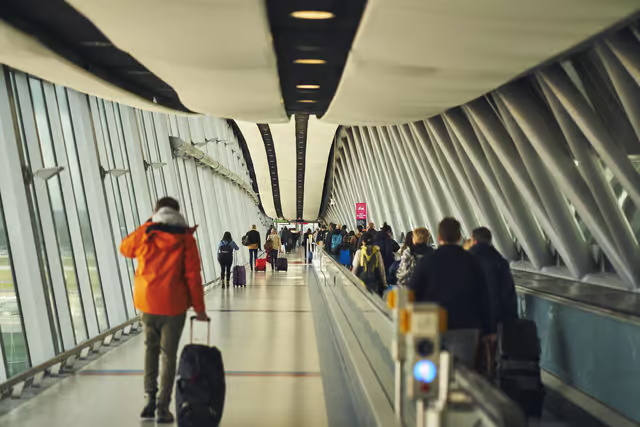
Customers of Gatwick Airport may have been affected by a payment data breach after their third-party parking payment system, AutoPay, was hacked. Gatwick informed customers on Monday of the breach, and confirmed that they are investigating.
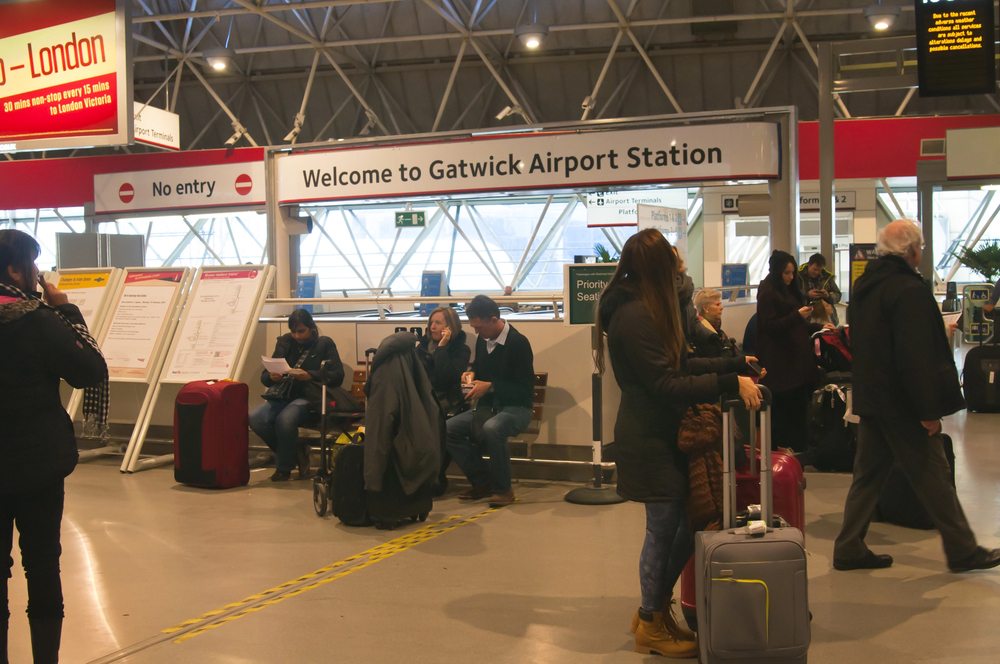
Gatwick airport data breach
The UK’s second-largest airport has confirmed that flights are unaffected and car parks are operating normally, though the option to pay via AutoPay has been disabled.
Customers must now pay the charge (£10 for 10 minutes) on Gatwick’s website. Gatwick have not said when their AutoPay option will resume.
AutoPay, the third-party payment system used for Gatwick’s drop-off charges, was accessed without authorisation, according to Times24 UK Limited, the company that runs Gatwick’s drop-off zones.
The airport did not disclose when the incident occurred. The personal data of some customers was accessed, including login credentials, email addresses, home addresses, car registration details – and in some cases, payment card information.
In the cases that payment information was accessed, vulnerable data includes the card brand, last four digits and expiry date. All customers affected by the breach have been emailed.
A spokesperson for the airport said:
“Our investigation is ongoing. We have identified that the incident impacts some customer information and those who have been affected have been informed.
We take the security of our customer information extremely seriously and apologise for any inconvenience or concern that this may cause.”
They also confirmed that the Information Commissioner’s Office has been informed.
Growing number of cyberattacks
The incident comes amid a growing number of cyberattacks affecting a number of industries, highlighting the changing landscape of aviation security.
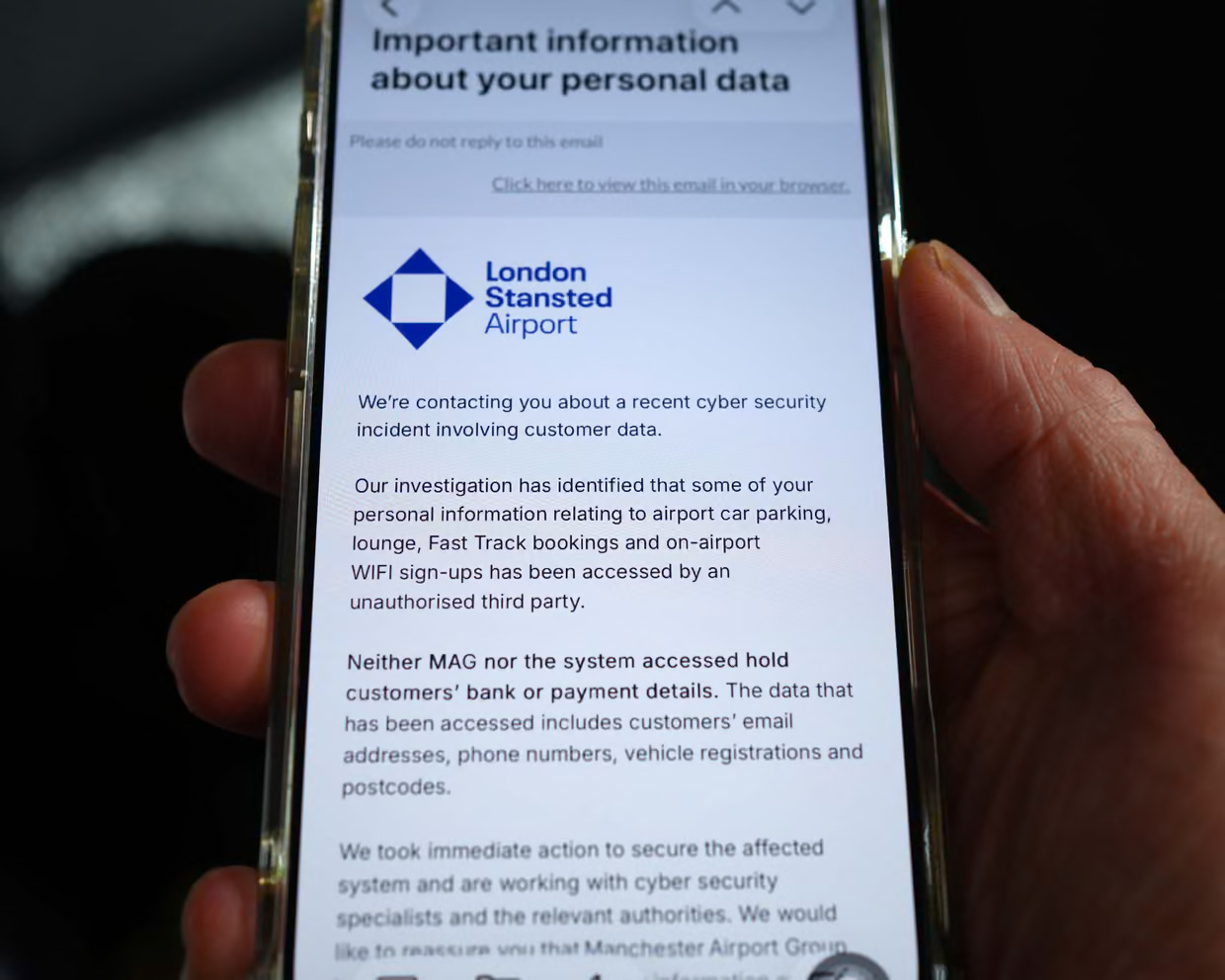
In August, a large-scale cyberattack on Manchester Airports Group (MAG) exposed the data of around 8.7 million customers of Manchester Airport (MAN), London Stansted (STN) and East Midlands (EMA) airports. The attack affected software used for check-in and boarding, causing flight delays and cancellations in the peak of the summer season.
The data-extortion group from the MAG breach, FulcrumSec, demanded a ransom, which MAG refused, in accordance with government guidelines. FulcrumSec subsequently leaked the dataset online.
The leaking of personal metadata is a permanent danger to those affected, as these details can be used together to build hyper-targeted phishing scams, amongst other threats. With the advent of AI and the ever-complicated geopolitical landscape, these incidents prove the need to invest in ever-evolving security measures.
Were you affected by the recent Gatwick breach? Let us know your thoughts about the incident.