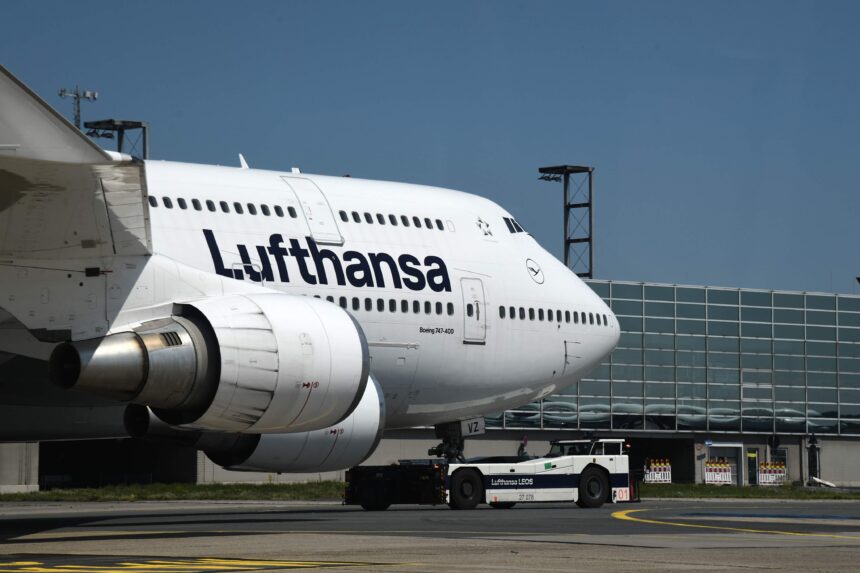
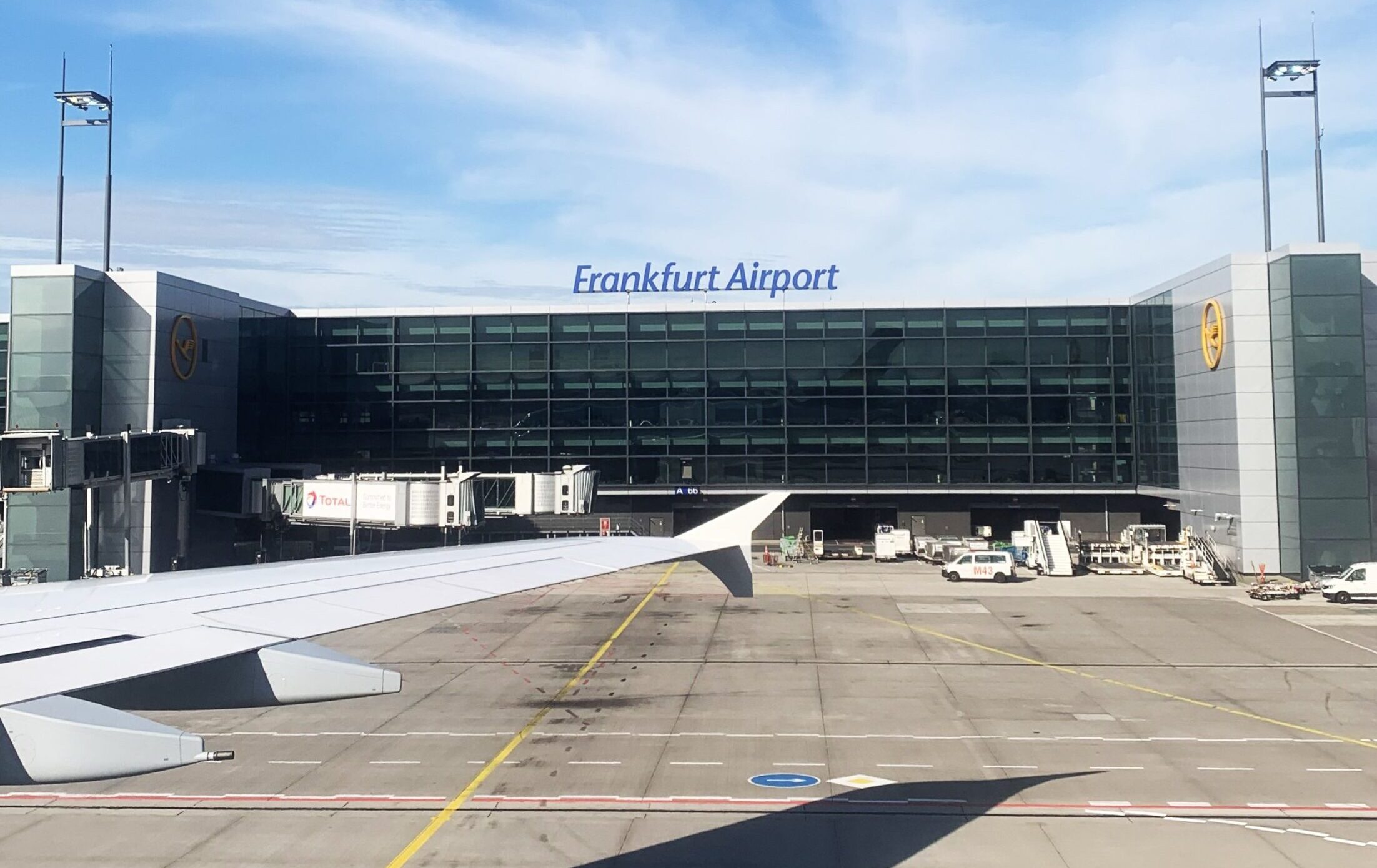
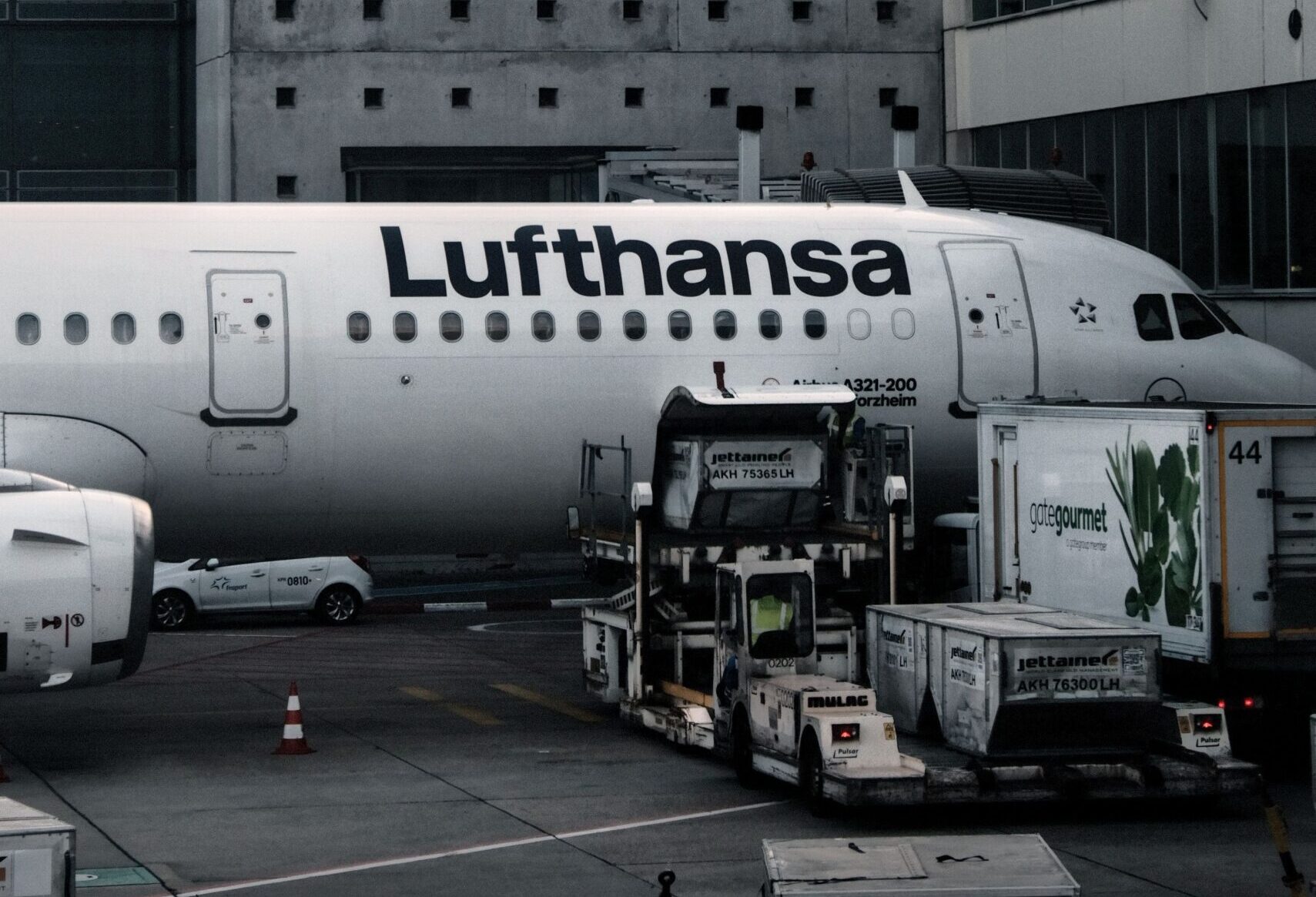
Lufthansa is taking precautionary measures to manage jet fuel supplies at Frankfurt Airport (FRA), asking crews on selected routes to carry additional fuel before arriving at Germany’s busiest aviation hub. The move follows reduced capacity in a fuel pipeline undergoing routine maintenance, paired with low water levels on the Rhine River that have also been reported as a potential challenge for fuel deliveries.
Lufthansa Adjusts Fuel Planning for Frankfurt Flights
The German airlines has instructed crews on selected flights to take additional fuel at their departure airports, reducing the amount they need to refuel in Frankfurt. The practice, known as “fuel tankering,” involves carrying more fuel than is immediately required for a flight so it can be used later in the journey. This measure is intended to help preserve fuel availability at Lufthansa’s main hub while maintaining reliable operations. According to reporting by Reuters and German media, the instructions primarily affect short-haul services, although some long-haul flights may also be included.
Additional fuel increases an aircraft’s weight, which can affect fuel consumption and operational planning. Lufthansa’s reported instructions include limits for Airbus A320-family aircraft to ensure additional weight does not prevent ground handling.
A Lufthansa spokesperson described the steps as precautionary, with the airline saying it does not currently expect flight cancellations as a result of the situation.
Frankfurt Airport Operations Are Not Affected
Frankfurt Airport operator Fraport confirmed that routine maintenance is taking place on a pipeline supplying the airport with jet fuel. However, it said alternative supply routes and existing storage capacity should prevent a shortage caused by the work.
“The airport’s operational capability is therefore not affected,” Fraport said.
Low water levels on the Rhine have also been cited in German media reports as a possible pressure on fuel deliveries, as cargo vessels may be unable to carry their usual loads when river levels fall. The situation highlights the importance of maintaining multiple fuel supply routes for major airports, where airlines depend on a consistent flow of fuel to support high volumes of daily flights.
The extent and duration of Lufthansa’s additional fueling measures remain uncertain. The airline has indicated that the steps could be temporary as supply conditions improve and are intended to help maintain normal operations.
How should major airports prepare for potential fuel supply disruptions? Tell us what you think in the comments below!