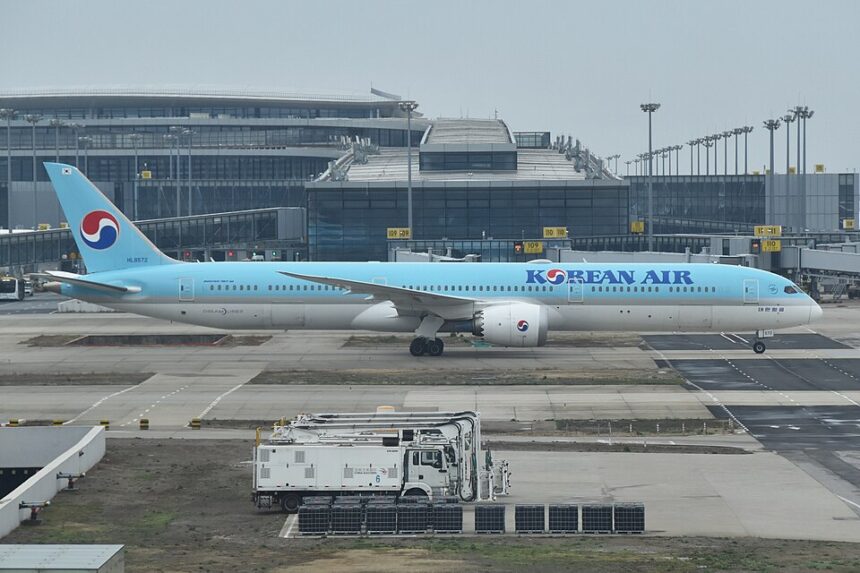
On May 13, 2026, the two South Korean carriers Korean Air and Asiana Airlines completed negotiations for a merger that will be effective on December 17, 2026. Once completed, Korean Air will absorb all of Asiana’s assets, liabilities, and employees, creating a single full service airline under the Korean Air brand.
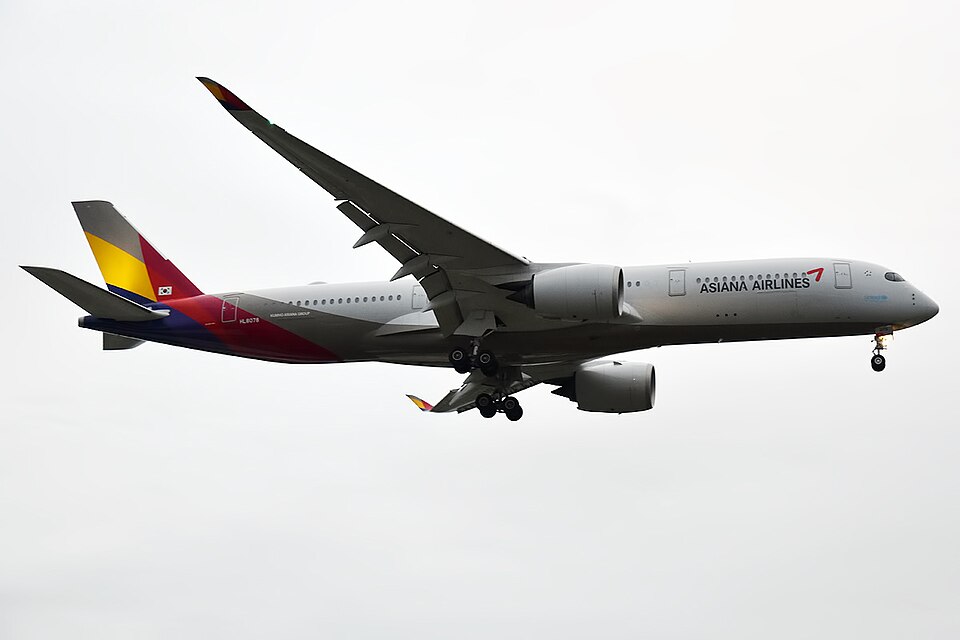
Korean Air and Asiana Airline gear up for a major merger
The merger goes back to November 2020, when the COVID-19 pandemic was still rampant. The South Korean government backed Korean Air’s decision for an acquisition of Asiana to stabilise the country’s aviation sector. The airline has worked through the process of regulatory approvals, financial restructuring and operational planning.
August 2026, is when Asiana shareholders is expected to vote on the transaction while Korean Air will go through a board resolution under South Korea’s small-scale merger rules. Updates to the operational specifications so Asiana’s aircraft and safety systems can be integrated into Korean Air’s air operator certificate. This merger will reshape the Asian aviation landscape, with Korean Air absorbing Asiana Airlines, the combined carrier will gain a competitive advantage through increased fleet size and efficiency across all domestic and international services.
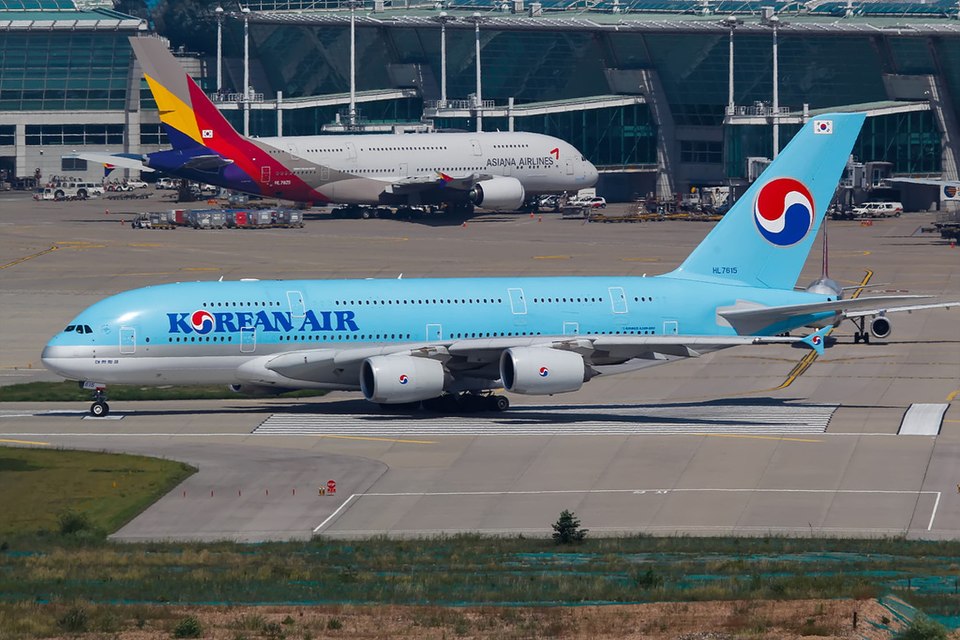
Korean Air and Asiana Integration to Reshape Global Partnerships
Asiana’s sole brand will gradually disappear, and the airline will be leaving Star Alliance. Korean Air will also be strengthening its position within SkyTeam, this merger will ultimately have Asiana to leave Star Alliance which will shift for more passenger traffic and international connectivity. This will be through network expansion, increased connectivity, and sharing resources through this merger.
Korean Air says that the integration will enhance network connectivity and further establish Incheon International Airport (ICN) as one of Asia’s leading global hubs. Due to the merger, there will be increased operational efficiency due to the merging of fleets, staff as well as routes. The branding of Korean Air is expected to change over time, with the gradual disappearance of Asiana branding, with hopes to modernise parts of the image. The merger was initially driven by the decisions to repair the damage caused during the pandemic, to further improve the Korean aviation industry.
Interested in mergers going on in the aviation industry? Follow Travel Radar for more aviation news.