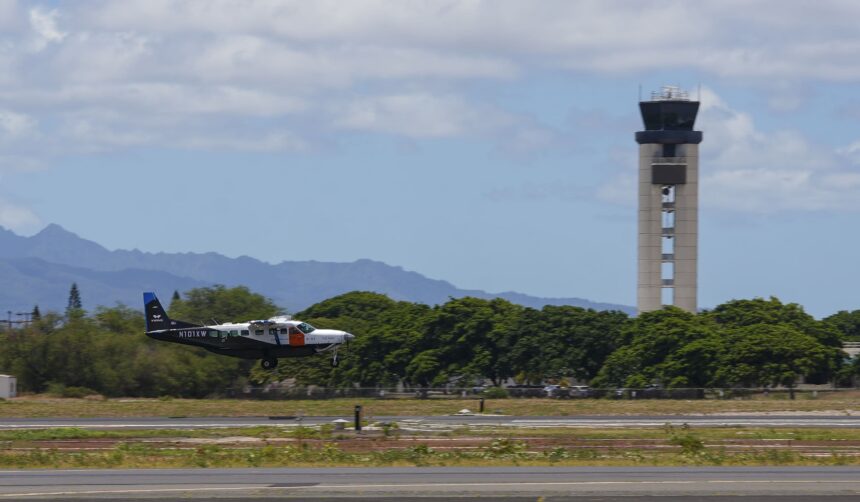
Joby Aviation has completed what it calls its first autonomous flight across the United States. A converted Cessna Caravan aircraft equipped with Joby’s autonomous technology took off from Buchanan Field Airport (CCR) in Concord, California, and flew across the continental United States, covering a distance of 3,199 miles, without any control inputs from the onboard safety pilot.
Joby Completes 3,199-Mile Transcontinental Flight
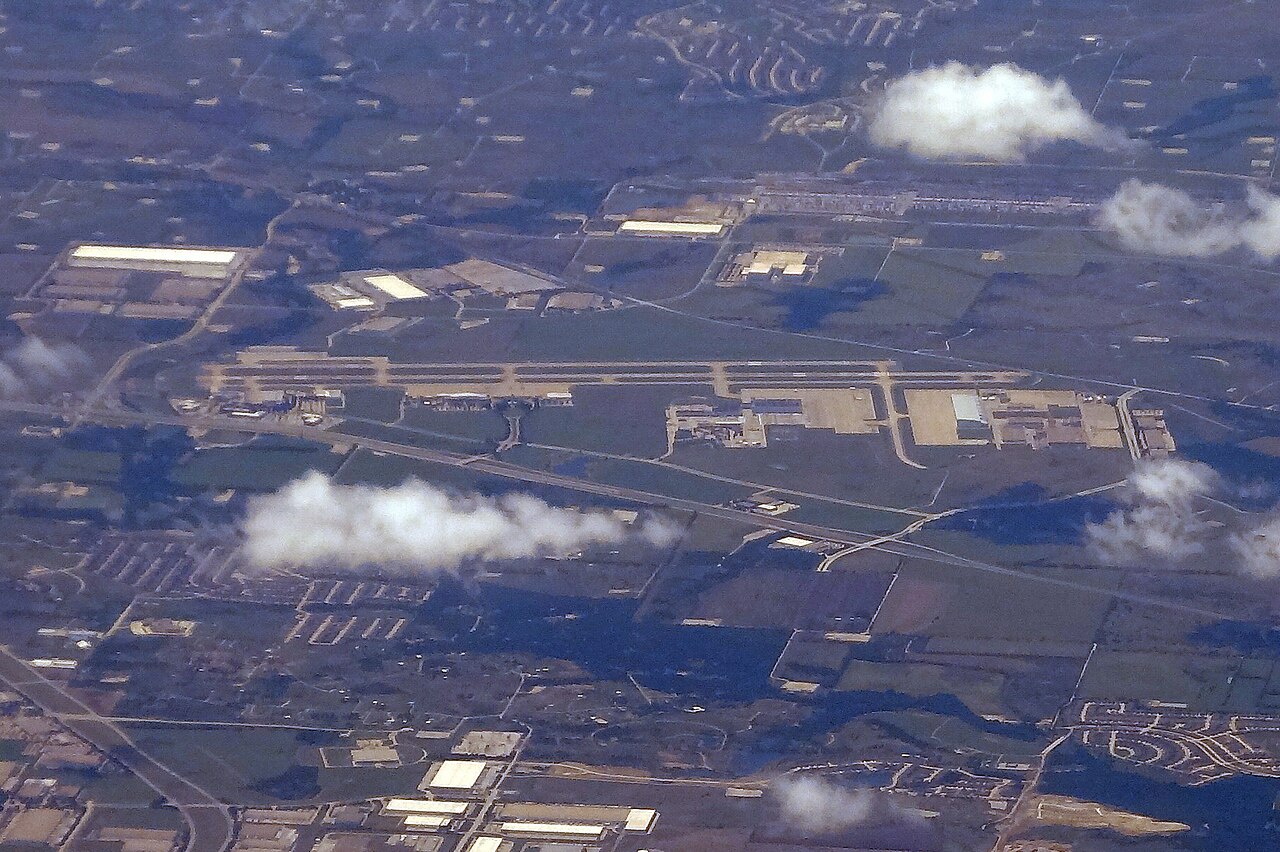
The aircraft took off from Buchanan Field Airport (CCR) in Concord, California, and flew 3,199 miles eastward across the continental United States. It stopped at Phoenix Deer Valley Airport (DVT), Perot Field Fort Worth Alliance Airport (AFW) and Shaw Air Force Base (SSC) before completing the transcontinental flight at Dare County Regional Airport (MEO) in North Carolina.
Joby stated that the aircraft achieved autonomous taxiing, takeoff, route navigation and landing during the flight. Although a safety pilot was on board, the pilot did not make any control inputs. From distances of up to 2,323 miles, the aircraft was remotely supervised by Joby’s Autonomy Headquarters in California and Shaw Air Force Base in South Carolina.
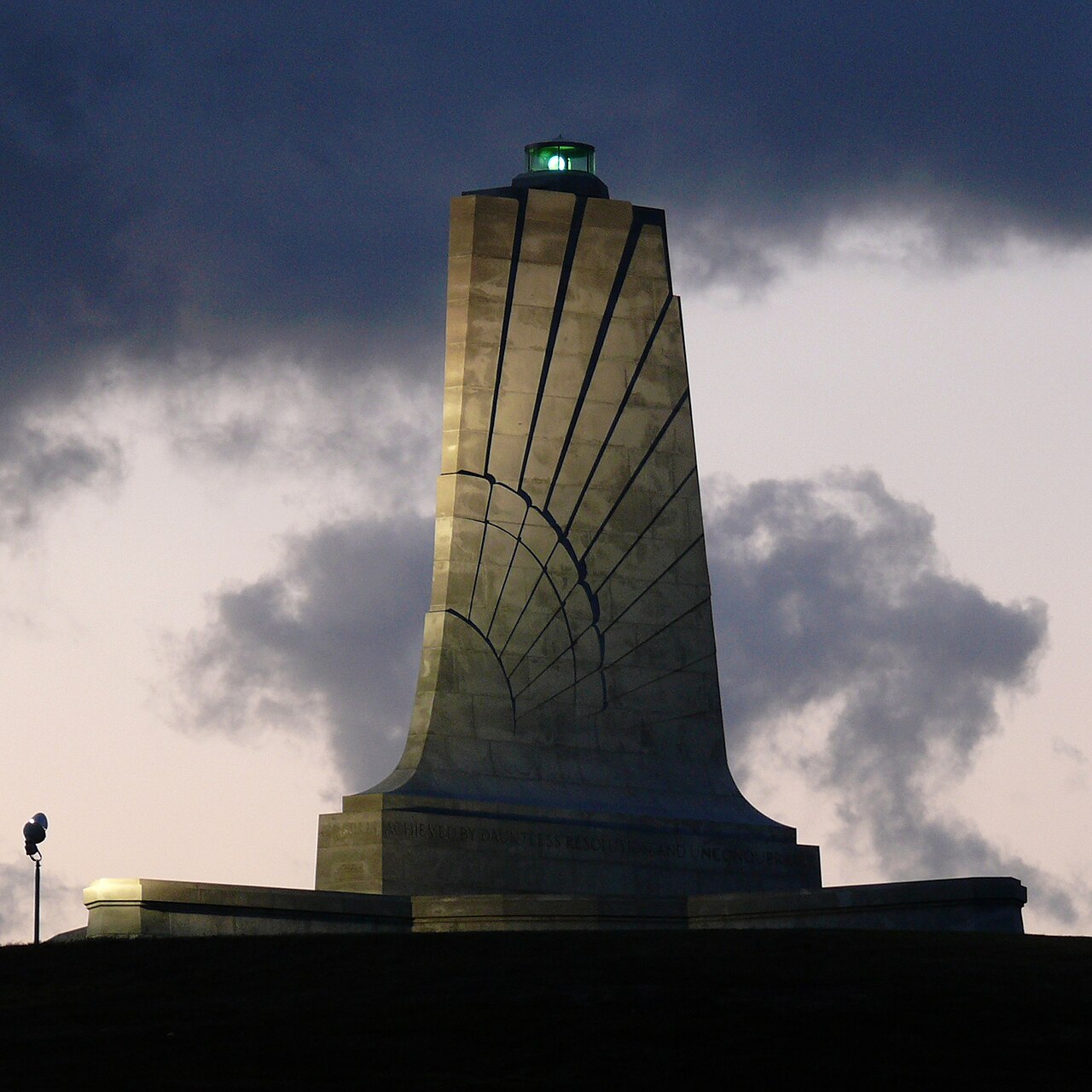
During the flight, the aircraft also operated in more complex environments. After arriving in North Carolina, the aircraft flew at low altitude near the First Flight Monument at Kitty Hawk and then landed at Dare County Regional Airport (MEO). This area is close to the site where Orville and Wilbur Wright completed their first powered flight in 1903.
Joby Tests Autonomous Aviation Applications
The flight was aimed to demonstrate how autonomous technology could be applied in commercial freight, medical transport, disaster response and defence logistics. The company also emphasised its potential to support remote and underserved communities.
To date, the technology has completed more than 400 flights and 800 automated flight hours across controlled and uncontrolled airspace. It builds on the mature autonomy technology acquired from Xwing in 2024.
Company founder and CEO JoeBen Bevirt said:
“Autonomy has an important role to play in the future of flight, allowing us to connect remote communities, deliver critical supplies, respond faster to disasters, support military operations, and keep pilots out of harm’s way.”
The aircraft will now begin the return to the West Coast, with planned stops including Raleigh, Fredericksburg/Washington, D.C., Louisville, Wichita, Oklahoma City, Salt Lake City and Portland.
What role do you think autonomous aircraft will play in the future? Let us know your thoughts in the comments below.