
The International Air Transport Association (IATA) has called for closer cooperation between governments, regulators and the European aviation sector in the face of emerging security threats, including cyberattacks, drone incursions and hoax bomb threats.
IATA’s ‘three asks’ to governments and regulators
The Global Tourism Forum Annual Meeting, Nov. 9-10, which took place at the Royal Museum of Fine Arts of Belgium, in Brussels, featured speakers such as former UK Prime Minister Tony Blair, as well as former French president Francois Hollande, and José Manuel Barroso, former President of the European Commission.
Speaking at the forum on Tuesday, IATA Senior Vice President, Operations, Safety & Security, Nick Careen, said that threats are “changing faster than the rulebook”, and called for closer cooperation between government and the aviation industry to address emerging threats to aviation security.
Careen referred to the recent hoax bomb threats across Europe, which have forced emergency diversions, temporary airport evacuations, security sweeps, and the scrambling or military fighter jets, affecting over two dozen flights this month.
Most of the hoax threats were sent to airports and ground service providers – not the airlines operating the flights, whom, he argues, have the most expertise to assess a threat. He stressed the importance of collaboration between agencies, outlining the IATA’s three asks to governments and regulators:
- One team – Set up permanent, reliable ways for governments and operators to share threat information, decide together where it makes sense, and get services back up safely.
- A risk-based approach – Governments and regulators to recognise operators with mature, risk-based security management and consult industry before deciding on new measures.
- Recognise, don’t repeat – Where security already meets the same standard, within Europe and with trusted partners, recognise it rather than repeat it.
The changing landscape of aviation security
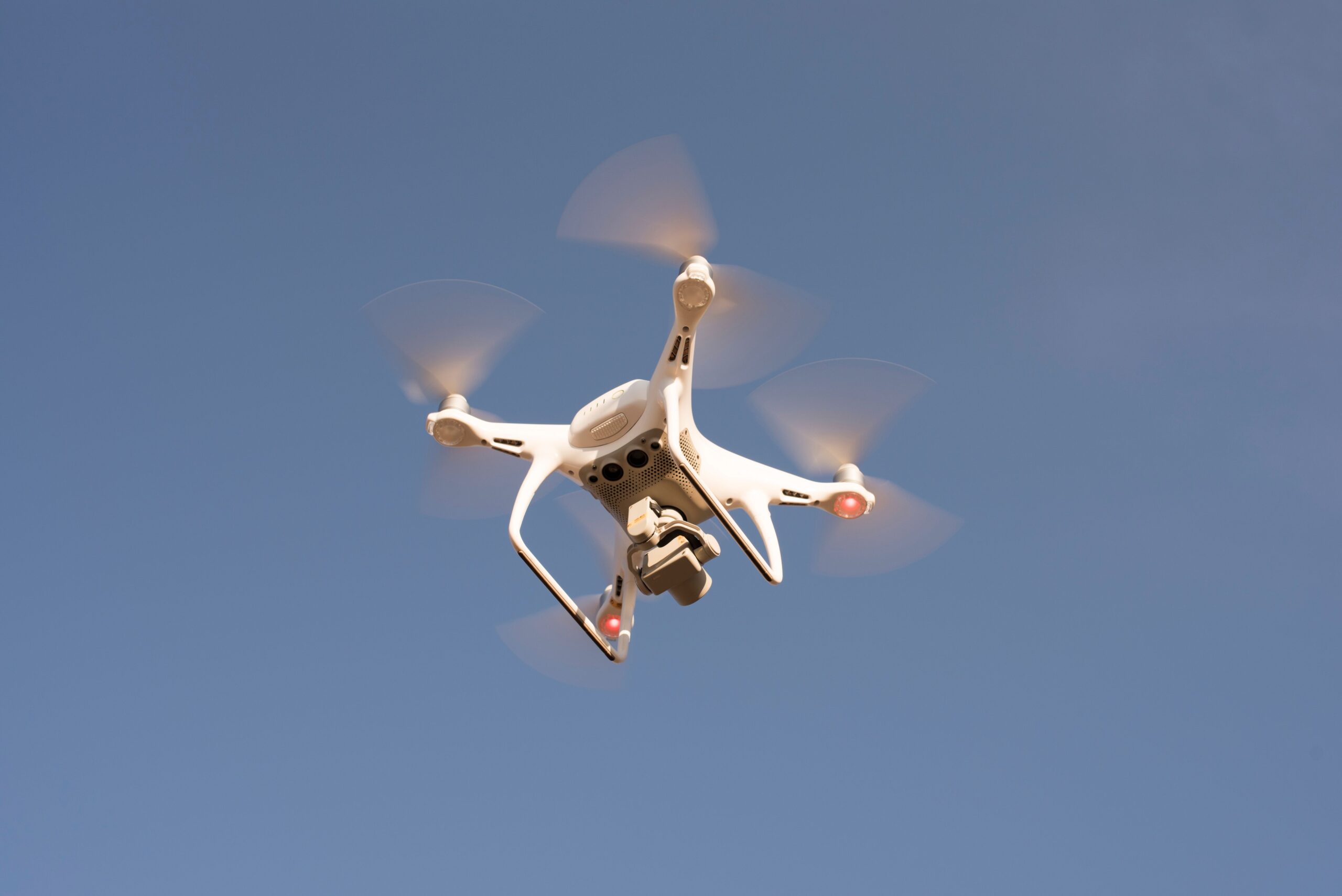
The emerging security challenges facing the aviation industry are copious. Careen’s speech raised some other recent examples of the evolving threats: the closure of Gatwick’s runway in December 2018 due to reported drone sightings; the suspension of Finnair flights to Tartu, Estonia in 2024 due to interference with global navigation satellite systems; and the disruption of several European airports in Sept. 2025 due to a cyberattack on a check-in provider.
The IATA acknowledged the successes of European aviation security legislation. It welcomed the EU Action Plan on Drone and Counter-Drone Security, adopted Feb. 11, 2026, and praised the EU’s response to MH17: the EU Conflict Zone Alerting System, which brings governments, EU institutions and the European Union Aviation Safety Agency together to assess risks in conflict zones and warn airlines.
However, its message indicated that current policy and legislature isn’t going far enough to help warnings and decisions reach airlines quickly – or, perhaps, that too much regulation and inflexibility may backfire.
“When a new threat appears, the instinct is to add another rule. But piling rule on rule doesn’t always make people safer. It can spread effort thinly and leave less attention for the risks that matter most.”
The new Entry/Exit System (EES), which caused considerable disruptions to services this summer, was one example Careen cited of where systems aren’t working. He stated that outages are still causing problems now, a year after its rollout, and that when individual countries add specific measures like the EES, we risk a patchwork instead of one common system.
What do you think is the right approach to emerging threats to aviation security? Let us know in the comments.