The Nigerian government has set indicative price ranges for jet fuel after emergency talks were initiated to discuss mitigating the impact of a global surge in jet fuel costs. The recommendations agreed at the talks aim to evade disruption to the country’s aviation industry amidst international instability caused by the ongoing conflict in the Middle East.
Soaring Fuel Costs
The war between the U.S. and Iran continues to impact global aviation as supply disruptions continue through the Strait of Hormuz, a critical passage for around 20% of global petroleum liquid supply. Since the conflict began, fuel prices have soared because of supply issues, with a global average cost increase of more than 190% in U.S. dollars reported in late April compared to early February, according to the International Air Transport Association (IATA).
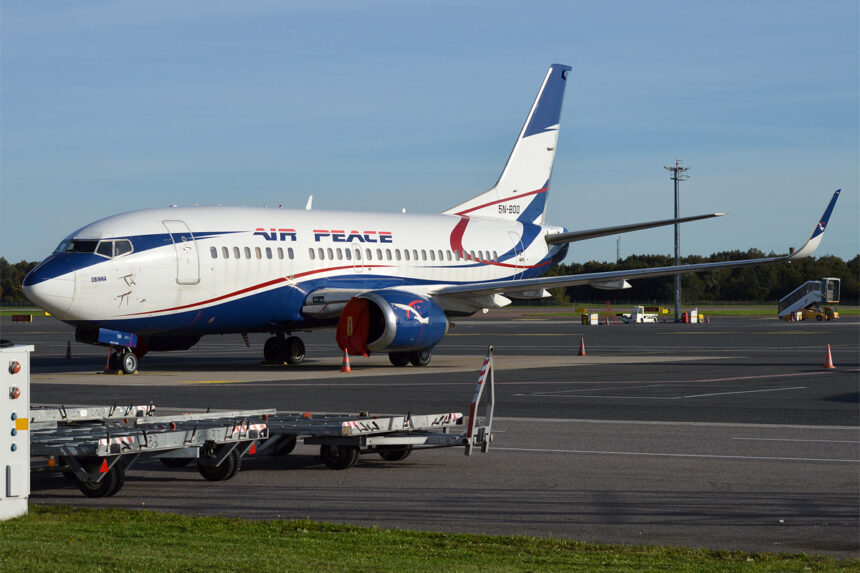
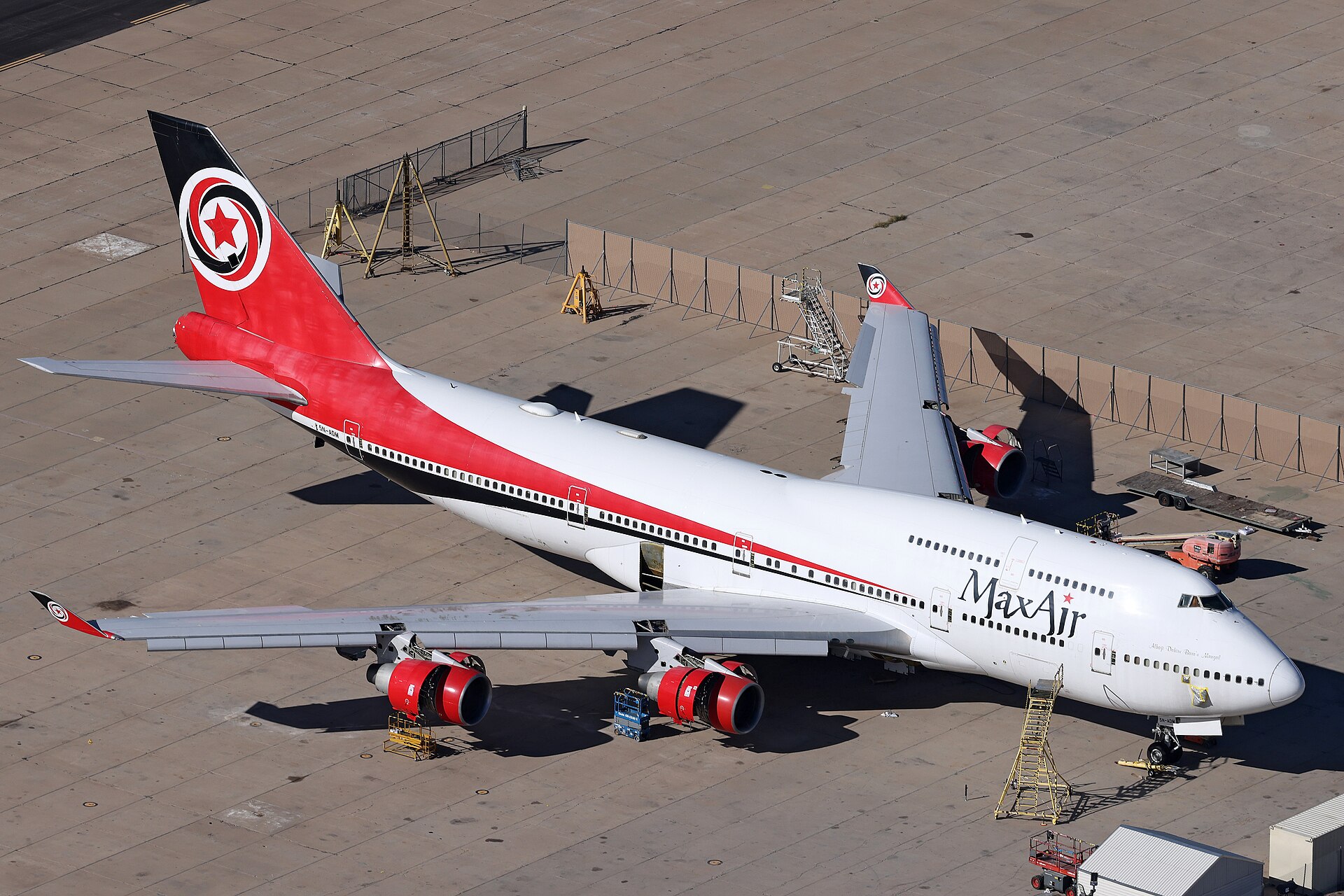
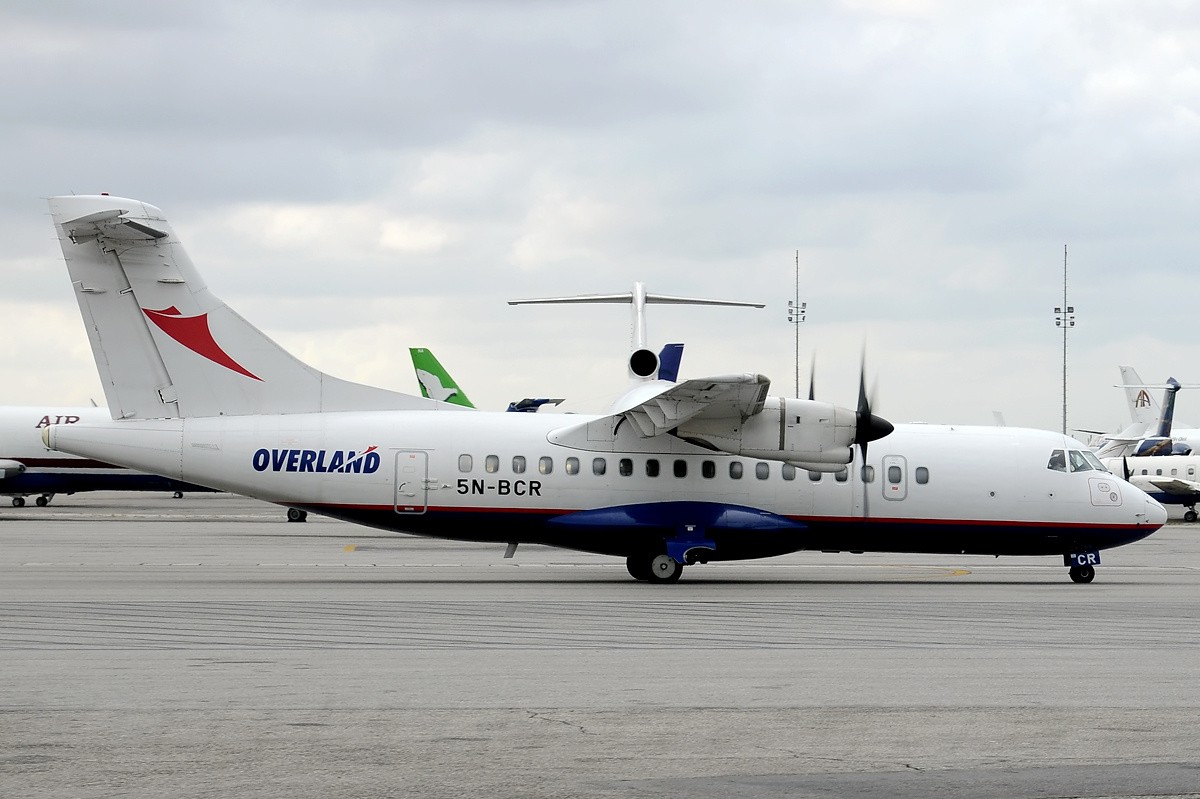
While rising fuel prices are a global issue, they have a particularly substantial impact on Nigeria as a result of foreign exchange pressures and the country’s significant dependence on imported refined petroleum products. According to Reuters, Nigerian based airlines, including Max Air (Nigeria), Air Peace, and Overland Airways, are experiencing a 270% increase in costs.
After multiple flight carriers warned of disrupted services as a result of this rapid price increase including more expensive fares and decreased capacity and demanded action to be taken, emergency talks began to discuss mediating actions. It has been reported that the Nigerian government has set recommended price brackets for jet fuel as one solution. Another action confirmed at the talks was an agreement to grant airlines a 30 day credit window to pay for fuel. Additionally, the talks tasked the Ministry of Aviation and Aerospace Development with moderating debt disputes between operators and oil marketers.
The Nigerian Midstream and Downstream Petroleum Regulatory Authority (NMDPRA) proposed the price ranges, and convened a technical committee to discuss further methods of alleviating the impact of soaring fuel costs and supporting Nigeria’s aviation industry during this global crisis.
Suggested Solutions
The NMDPRA asserted that, based on benchmarks from April 17-23, 2026, aviation fuel should sell for between 1,760 to 1,988 naira ($1.28 to $1.44) per litre in Lagos and 1,809 to 2,037 naira ($1.30 to $1.48) per litre in Abuja. Although this aims to combat the impacts of uncertainty around fuel supply and costs, the NMDPRA cautioned that these prices are not stable, and could still potentially rise as a result of ongoing market volatility.
Moreover, a technical committee assembled by the NMDPRA gave a series of recommendations to support Nigeria’s aviation industry. One of these recommendations was for fuel marketers to sell directly to airlines within the indicated price range, with the expectation of cutting costs and improving supply chain transparency.
President Bola Tinubu also approved a 30% relief on airlines’ debts and outstanding obligations to aviation agencies, and ordered fuel marketers, airlines, and regulators to collectively agree on a ‘fair’ fuel price to prevent the shutdown of the aviation sector. The country’s aviation minister Festus Keyamo also suggested previously that Tinubu had agreed to partially write off liabilities owed by Nigerian based domestic carriers.
The technical committee also recommended higher premiums applied to international jet fuel benchmarks to be arranged with Dangote Petroleum Refinery and Petrochemicals, and stricter validation of airside fuel distributors. It also proposed including jet fuel in Nigeria’s naira-for-crude scheme in order to reduce airlines’ foreign exchange exposure.
Do you think this will support the Nigerian aviation industry successfully? Let us know in the comments.