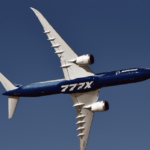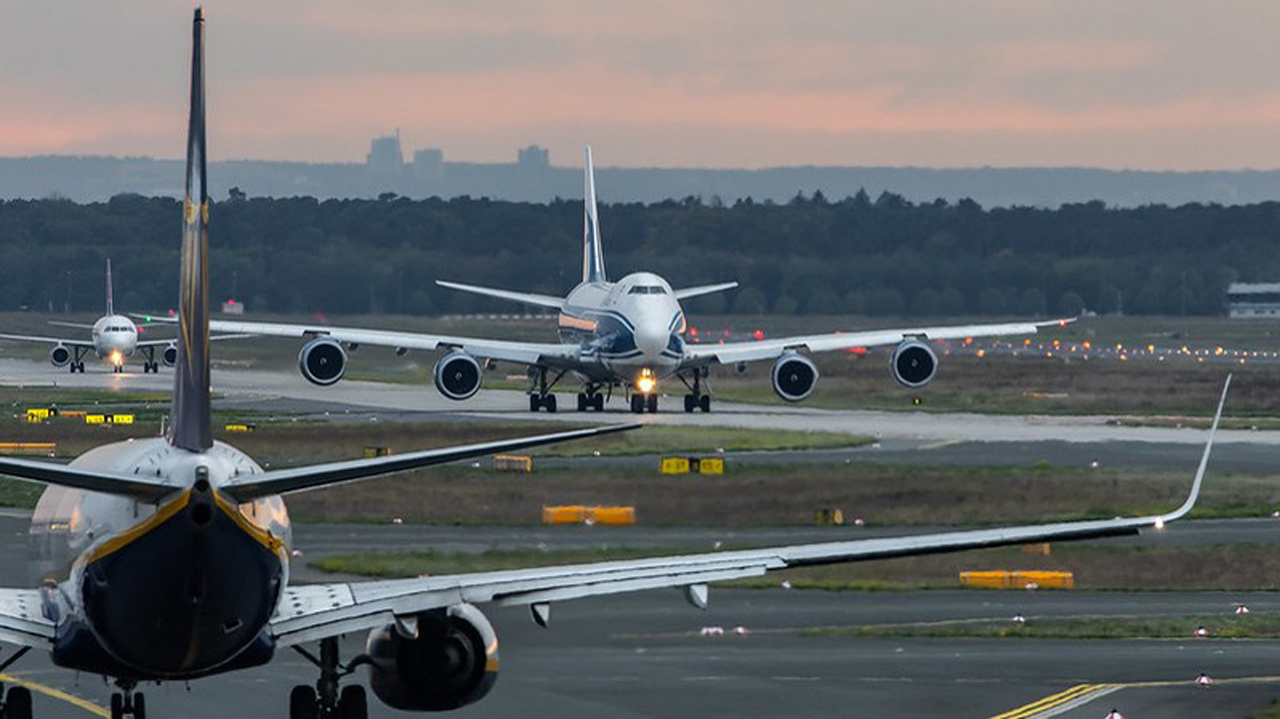
Have you ever wondered how airlines are able to get slots at airports such as Heathrow, Paris CDG or New York’s JFK? This week, the 149th IATA slot conference is taking place in Rome and it is one of the most important aviation events of the year for airlines, as they look to confirm the landing and take-off times, they will be able to use at the airports they operate into. Landing and take-off times at congested airports around the world, are known as ‘slots’ and they are much prized assets, that airlines are always keen to get hold of.
Slots only technically exist at congested airports that have been designated as Level 3, coordinated airports. The designation comes from IATA, who maintain a database of all Level 3 airports around the world. These airports tend to be the busiest and most congested, where there is a requirement to allocate slots to airlines in a fair and transparent way in order to minimise delays.
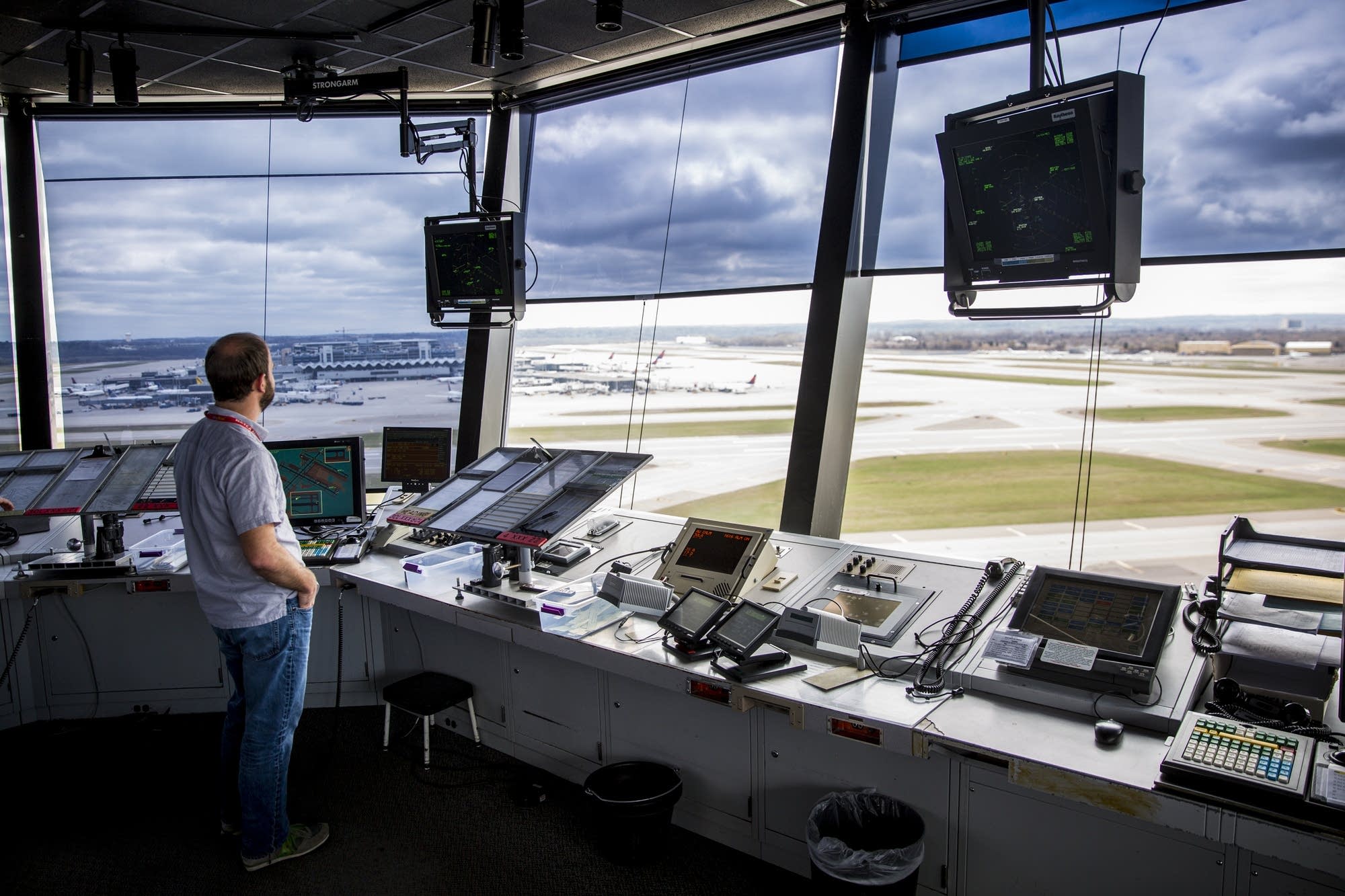
The process for this slot allocation, is contained within an IATA document known as the WSG – Worldwide Slot Guidelines, which set down the principles of how slots should be allocated at Level 3 airports such as Heathrow but also at less congested, Level 2 airports such as Larnaca or Cologne.
The process is standardised to make it easier for both airports and airlines to understand the rules around obtaining slots at different airports around the world, so for example an airline flying from Heathrow to Toronto Pearson, would follow the same or a very similar process for obtaining slots as an airline flying from Sydney to Paris.
Most countries around the world adopt the WSG slot allocation guidelines, although there maybe local differences. For example, within the EU, there is a slot directive 95/93, which mostly follows the WSG guidelines but is governed by EU law.
Each country usually has an official ‘Slot Coordinator’ who undertakes the process of allocating the slots. Coordinators are independent governing bodies, often recognised in law and generally appointed by a countries government to allocate slots independently of both airports and airlines. One of the best known coordinators in the world is Airport Coordination Limited, or ACL, who allocate slots at a number of UK airports, including London Heathrow, London Gatwick and London City.
Airlines that have been operating at an airport for at least a season, will be able to use the same slots in the following years equivalent season, as long as they have operated these slots for a minimum of 80% of that season. This is often referred to as the 80/20 rule and the slots are given ‘Grandfather’ rights. Once these slots have been allocated, then any other available slots sit within a slot pool and are then allocated to other airlines that might need them. Coordinators use a number of criteria to allocate these slots including ensuring that new entrants to an airport can obtain, if there is sufficient supply, at least 6 slots per day, as 50% of the slot pool is made available to new entrant airlines.
During the Covid-19 pandemic, when demand for air travel collapsed due to border closures, airlines found that they could not operate enough flights to meet the 80/20 requirements. At IATA’s behest, governments brought in ‘slot waivers’ which removed the need to meet the 80/20 rule, so the incumbent airlines were able to retain their slots. At airports such as LHR, these slots can be worth many millions of dollars, so airlines would not have wanted to give these up. These slot waivers have continued in a modified form, for the existing winter 2021/22 season but there have been no decisions yet for next summer.
In the UK, the government is to consult with airlines and airports on whether to continue with slot waivers or allow the 80/20 rule to be reimposed. London Gatwick, Edinburgh and Belfast International airports, together with Wizz Air, have written to the UK government asking for the 80/20 rule to be brought back. Gatwick in particular has been hit hard by the pandemic with British Airways, Virgin Atlantic and Norwegian having either stopped or dramatically reduced their operations at the airport. However, with the slot waiver in place, these airlines have not had to give up their slots which has prevented airlines such as Wizz Air from entering the market. Norwegian in particular hold a large number of slots at Gatwick but the airline has significantly downsized and cut back its operations to focus on intra Scandinavian services and is unlikely to return to LGW anytime soon. They maybe holding out to try and sell these slots to another airline but for Gatwick and Wizz Air in particular, the slot waiver is seen as blocking new business from operating at the airport.
Time will tell if the slot waiver will remain in place for next summer but there will be some very interesting discussions going on in Rome this week.