The aviation industry says the era of “flight shaming”, a once-prominent climate movement encouraging people to fly less, has largely faded from public and corporate debate. The shift was evident at the recent International Air Transport Association (IATA) conference, where references to “flight shaming” were absent as airline executives focused instead on fuel prices, regulation, and capacity growth. The Times reported that the term, once widely used in industry discussions, has “largely petered out” as passenger demand has recovered strongly following the pandemic.
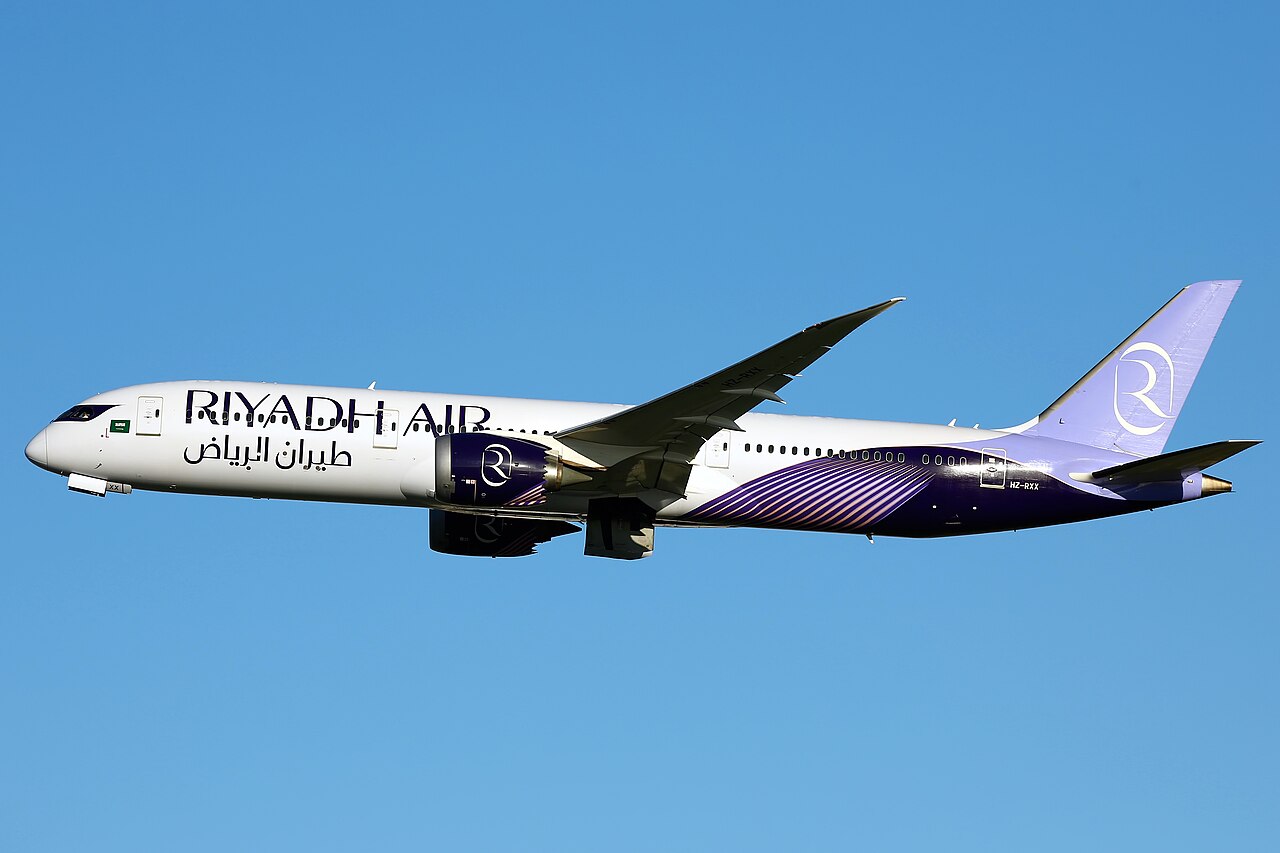
Airlines Warn Emissions Challenge Remains
The concept of flight shaming gained traction across Europe in the late 2010s, encouraging travellers to reduce air travel due to its carbon footprint. The movement was widely associated with climate activist Greta Thunberg and briefly influenced travel behaviour in some markets.
However, industry leaders now see the movement as largely ineffective, as travellers prioritise cost and convenience over environmental concerns. At the same time, aviation executives argue that attempts to discourage flying have had limited real-world impact. Passenger volumes across Europe have rebounded to or above pre-pandemic levels, driven by leisure demand and the recovery of international tourism.
According to industry-wide data cited in the report, aviation accounts for about 2.5% of global carbon emissions, while the sector faces continued pressure to meet net-zero targets by 2050.
Sustainable aviation fuel (SAF), widely viewed as central to decarbonisation, remains far from scaled production levels needed to meet industry goals. The Guardian noted that SAF output remains a small fraction of total jet fuel consumption, and that progress is uneven across regions, with stronger incentives in the United States than in Europe.
Economic Pressures Dominate
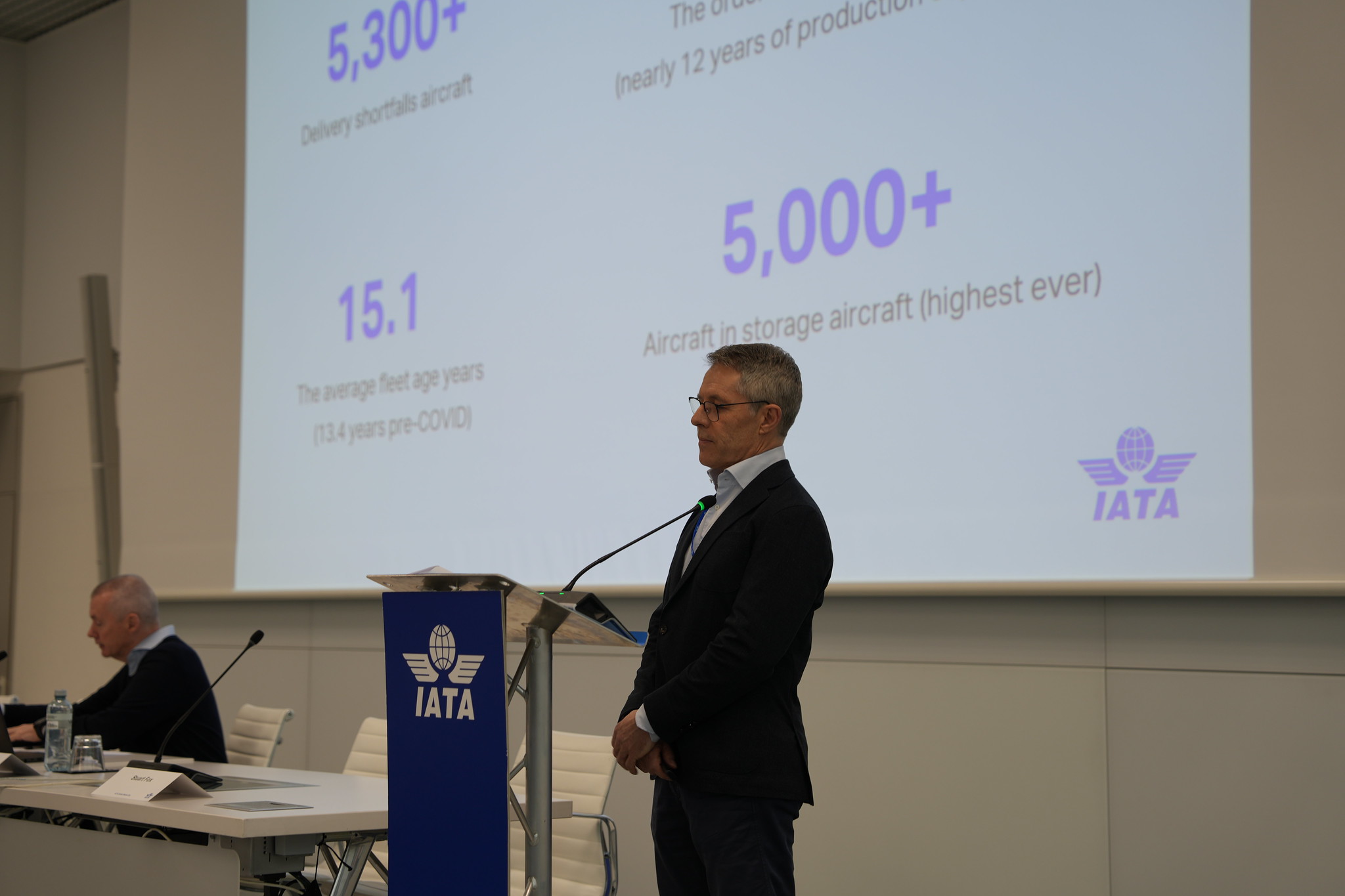
At the annual general review of the IATA, held from June 6 to 8, 2026, reports indicate that airline executives focused on operational challenges rather than on environmental criticism. Discussions centred on fuel pricing volatility, regulatory frameworks, and infrastructure constraints. Industry leaders also pointed to aviation’s broader economic role, including its contribution to global trade, tourism, and employment. The Times report emphasised that airlines are increasingly positioning air travel as essential infrastructure rather than a discretionary luxury, reinforcing the shift away from moral-pressure campaigns.
While “flight shaming” may no longer shape public behaviour on a large scale, some environmental organisations continue to highlight the emissions associated with air travel and argue that they should remain part of broader discussions about sustainable transport.
What do you think about this shift away from “flight shaming”? Let us know in the comments down below.