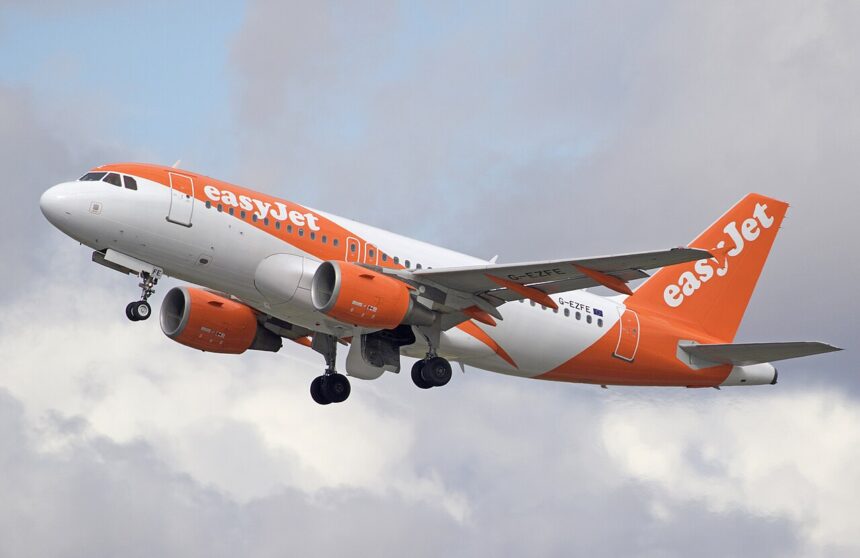
EasyJet has reported that summer holiday bookings are currently behind last year’s levels, as ongoing conflict in the Middle East continues to affect consumer confidence and travel demand. The airline said customers are increasingly waiting until closer to departure before booking trips, despite continued demand for late summer travel.
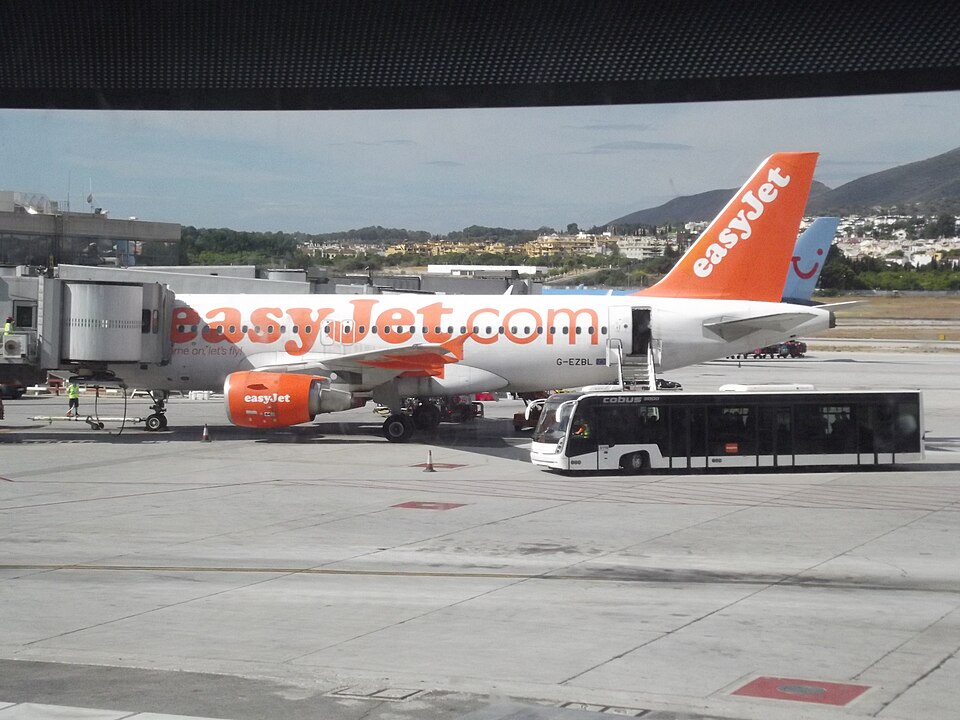
Fuel Costs Rise Following Iran Conflict
According to easyJet, the uncertainty follows the escalation of the U.S.-Israel conflict involving Iran earlier this year, which has also contributed to higher fuel costs across the aviation sector.
EasyJet said it incurred an additional £25 million in jet fuel costs during March after the outbreak of the conflict. However, the airline stated that it is not currently experiencing disruptions to fuel supplies and expects to operate its full summer schedule.
Chief executive Kenton Jarvis said fuel sourcing has become more diversified in recent years, with supplies increasingly coming from regions including the Americas and Norway:
“We continue to see positive late bookings since the conflict began; however, overall bookings for the summer period are behind where they were at this point last year.”
Jarvis also said easyJet does not currently plan to cancel flights during the peak summer season, despite contingency powers introduced by the UK government that would allow airlines to reduce services in order to conserve fuel if necessary.
Airline Suspends Short-Term Fuel Hedging
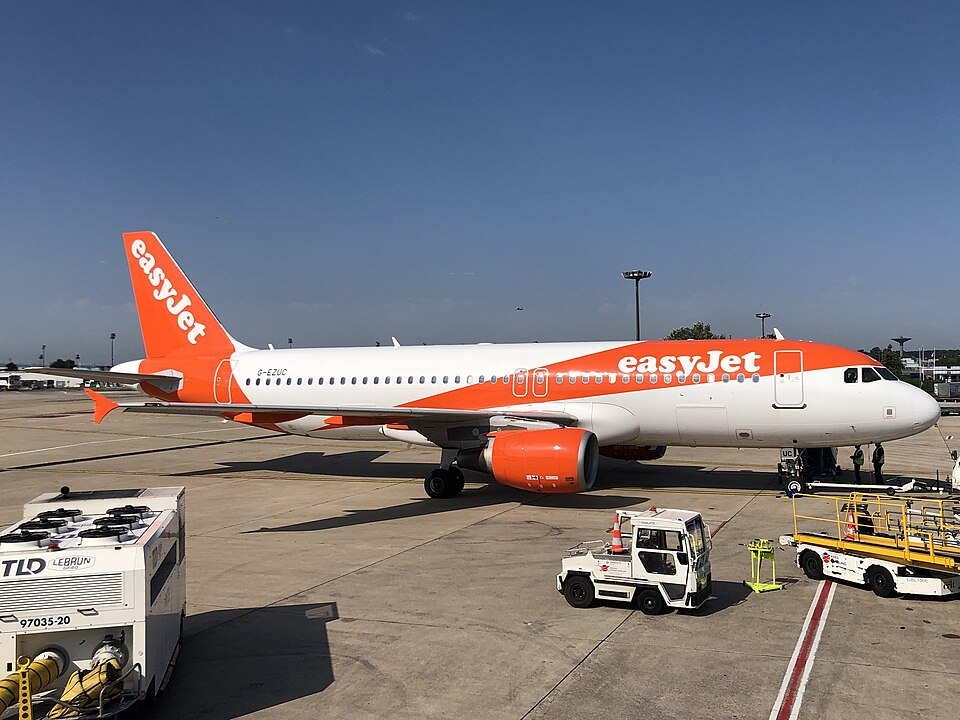
EasyJet has hedged 72% of its fuel requirements for the next six months, covering the busy summer period through the end of September. However, easyJet has temporarily suspended additional short-term hedging activity because of oil price volatility.
Jarvis said fluctuating oil prices and uncertainty surrounding the Strait of Hormuz continue to affect the market:
“While the supply risk is fading, it’s not coming through in price because you’re paying for this diversification.”
Losses Increase During Winter Period
According to the Guardian, easyJet reported a pre-tax loss of £552 million for the six months ending March 31, compared with a £394 million loss during the same period the previous year. The airline has increased minimum ticket fares in response to rising fuel costs and is reviewing discretionary spending across the business.
Despite the losses, Jarvis said easyJet remains financially stable and able to manage current market conditions:
“Despite conflict in the Middle East creating near-term uncertainty, easyJet is well placed to manage the current environment,” he said.
Airport Border Delays Continue Across Europe
The airline also raised concerns about long border queues at some European airports following the introduction of the EU’s Entry/Exit System (EES) in April.
Jarvis urged European authorities to use temporary flexibility measures introduced by the European Commission to help reduce delays during peak holiday periods and school breaks.
Some passengers travelling through Europe have experienced extended wait times at border control checkpoints since the new system came into force.
Despite ongoing uncertainty around fuel costs and travel demand, easyJet says it expects to operate its full summer schedule as planned.
What do you think about easyJet’s drop in bookings compared with 2025? Let us know in the comments below.