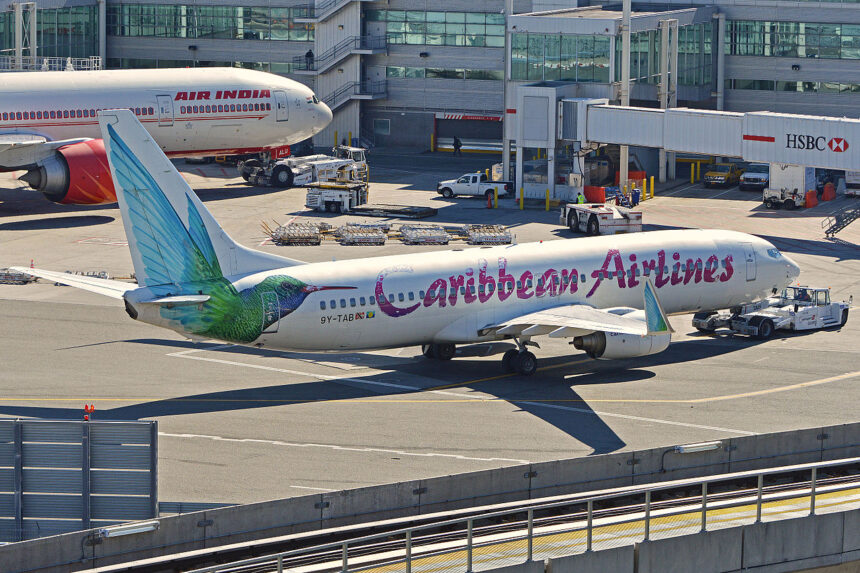
Caribbean Airlines has incurred more than $250 million in losses since acquiring Air Jamaica in 2011. The debt is tied to long-standing financial challenges following the integration.
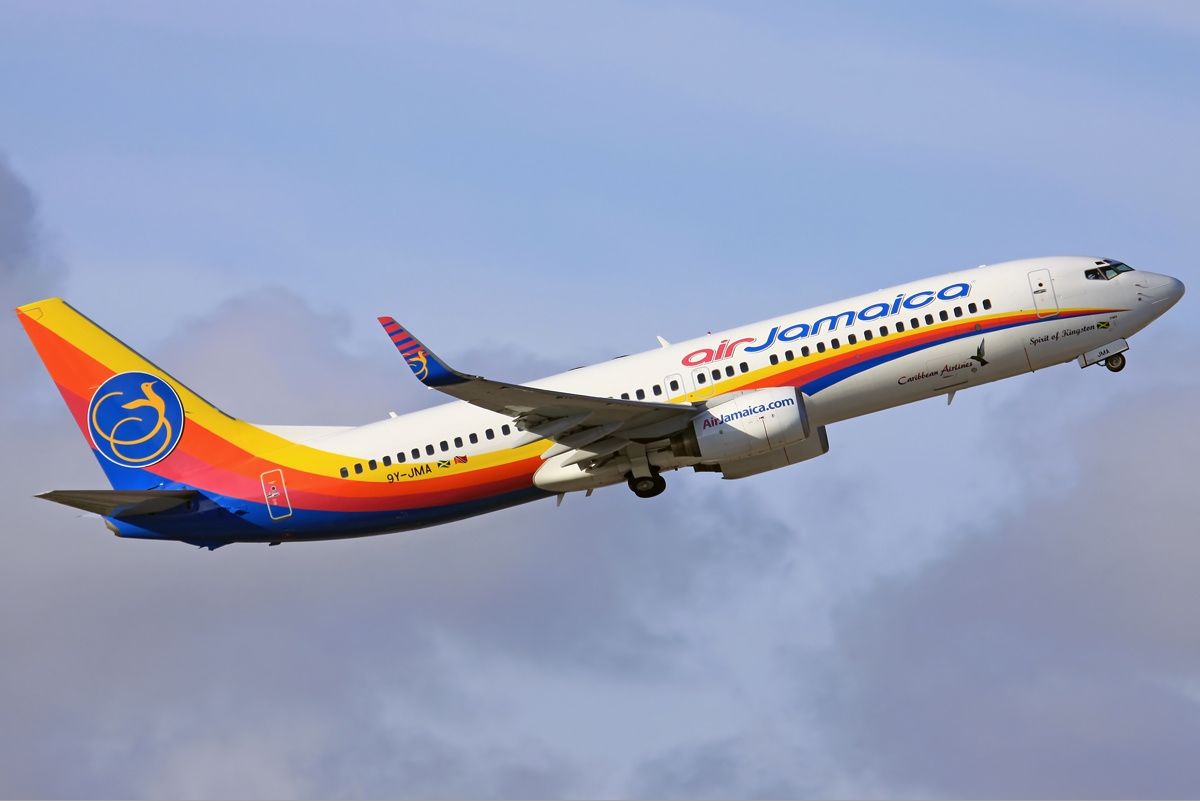
Mounting Losses Continue to Add Up
At the time, the acquisition was intended to solidify North American services by strengthening its regional links. But, after more than a decade, the move continues to heavily affect the airline’s financial performance.
Between the fiscal years of 2012 and 2025, the airline recorded losses of about $254.7 million. These figures were reported by the Trinidad and Tobago Guardian. Air Jamaica was fully integrated into Caribbean Airlines in 2025, during that stretch of losses.
Despite holding an equity stake, the government of Jamaica has yet to provide financial support. Additionally, its shareholding has declined from 16% to 11.8%. This raises the risk that the government will lose board representation if its stake falls below 10%.
During the COVID-19 pandemic, Caribbean Airlines sought financial help through Trinidad’s Ministry of Finance, but no funding was provided. After struggling for years, the carrier eventually discontinued routes from Norman Manley International Airport (KIN) and Sangster International Airport (MBJ) to Fort Lauderdale-Hollywood International Airport (FLL). The airline cited these routes as underperforming.

Little Financial Backing from Jamaica
Caribbean Airlines remains under pressure from the government of Trinidad and Tobago to reverse losses. Prime Minister Kamla Persad-Bissessar has prompted leadership changes to usher in a business overhaul.
The airline’s challenges are partly rooted in the original Air Jamaica transition. Under a 2010 bailout backed by the International Monetary Fund (IMF), Jamaica agreed to shut down its national carrier. The country then transferred its most important routes to Caribbean Airlines. A dual-brand strategy was initially proposed but later abandoned.
Former aviation official Ramesh Lutchmedial said the venture struggled in part because it failed to gain traction within the Jamaican community. He stated that:
“The diaspora never supported Caribbean Airlines and instead chose to fly with other airlines. Caribbean stuck to the agreement and in the first two years lost over USD200 million.”
Despite these losses and the impact of the recent hurricane, the airline continues to navigate financial pressures while working to stabilise operations across its network.
Should governments provide additional support for regional carriers like Caribbean Airlines? Share your opinion in the comments below!