A spokesperson from the aircraft manufacturer Boeing has said that the company is beginning to implement plans to limit the impacts of a strike by its workforce’s largest engineering union. Boeing has publicly posted contract positions for engineering and technical staff, which cover the period in which any strike action is likely to occur. This follows a decision by members of the Society of Professional Engineering Employees in Aerospace (SPEEA) to reject Boeing’s latest contract offer. SPEEA members will now be legally able to call a strike after their current contract expires Oct. 6.

How Did We Get Here?
Boeing had agreed a contract with SPEEA’s negotiating team earlier this month, which was then put to the 17,000 SPEEA members who currently work for Boeing.
This contract would have maintained relations between Boeing and SPEEA for the next four years, and prevented strike action from taking place when the current deal expires Oct. 6.
The new deal was rejected both by SPEEA’s 13,000 engineers and scientists (64% voting against), and by the union’s 4,000 technicians, analysts, and planners (72% voting against), Friday Aug. 21.
Individual members are not obliged to disclose the reasons behind their own decision. It should be noted that Boeing’s deal did promise a 29.4% compound wage-pool increase, instead of the individual wage increases initially proposed by SPEEA.
Contract workers are hired to fill temporary jobs, where the employees are paid for a specific task or period of time, without officially joining the hiring company.
Boeing’s decision to advertise contract positions suggests that the manufacturer is expecting to experience a short-term decline in its number of engineering and technical staff, as would be the case during a period of strike action.
What Are the Potential Consequences of Strike Action?
While the hiring of workers in contract positions would mitigate the impact of strikes of Boeing’s engineering team, it is unlikely that production will continue at the same rate.
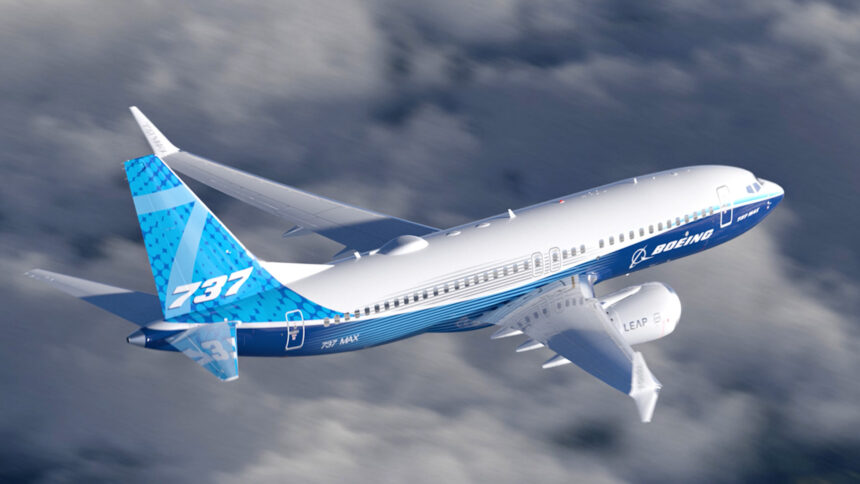
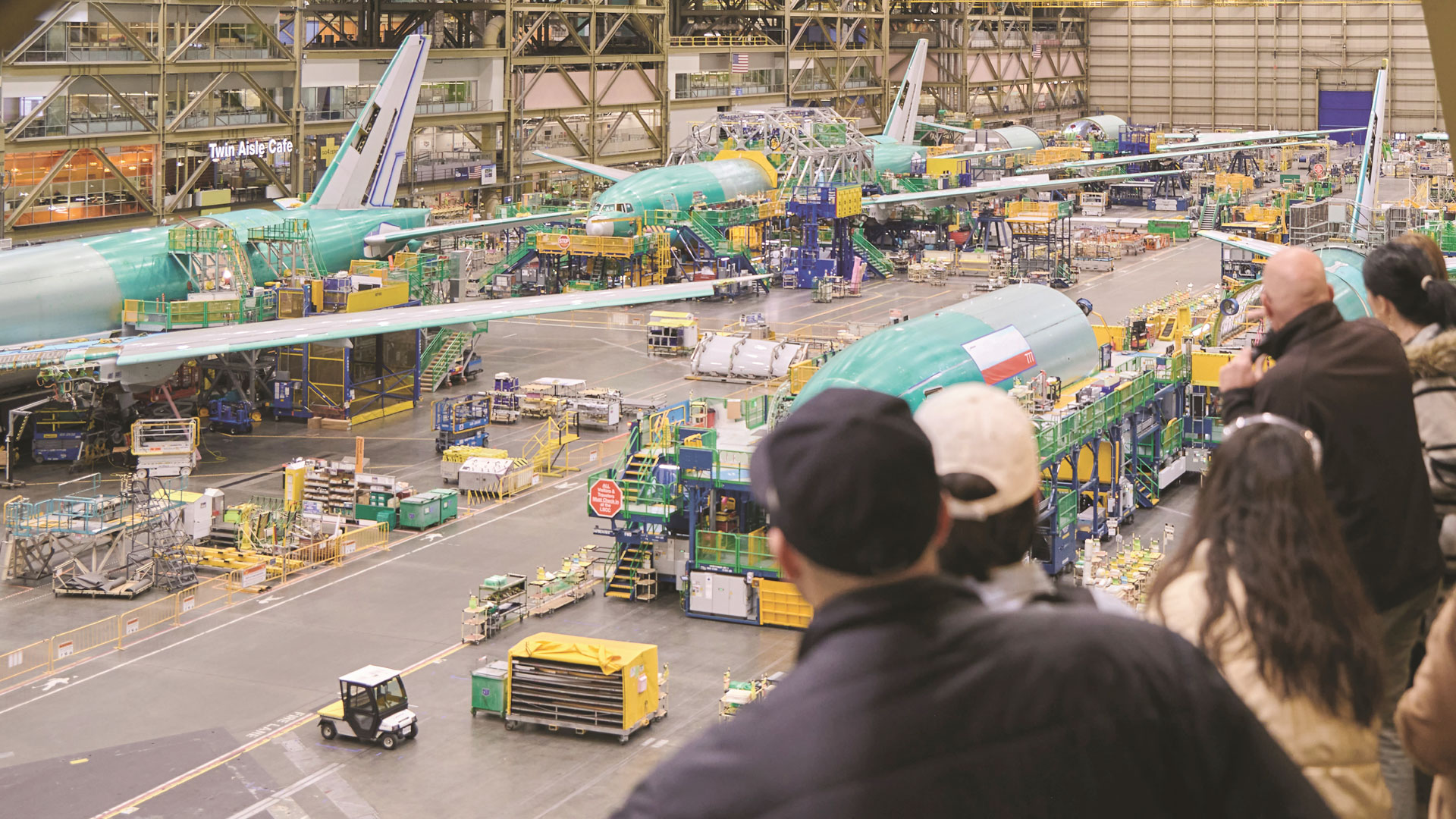
This could lead to further delays in the development of the Boeing 737 MAX 10, and the Boeing 777-9, both of which are awaiting certification by the U.S. Federal Aviation Administration (FAA).
Development of the Boeing 737 MAX 10 has already been delayed by almost four years, while the Boeing 777-9 was originally scheduled to enter commercial service in 2020.
In more positive news for Boeing, the company’s 737 MAX 7 jet received its amended type certificate Aug. 3, and is set to enter commercial service early next year.
How Likely is a SPEEA Strike?
SPEEA’s spokesperson Bryan Corliss has said that the union is “hopeful” of avoiding strike action, but has also said that,
“It appears, however, that both sides are preparing for the possibility of a strike.”
In response to Boeing’s posting of contract positions, Corliss said that,
“In our case, that includes preparing information for our members on what they could expect should there be a work stoppage. For its part, Boeing seems to be looking for 17,000 individuals who don’t care if they undercut worker solidarity.”
Boeing has also said that a strike seems increasingly likely, a spokesperson for the manufacturer said that.
“We want to reach an agreement before the current contract expires and look forward to finding a solution with SPEEA at the table.”
In reference to the advertising of contract positions, the spokesperson added that,
“We’re implementing our contingency planning which will leverage a wide range of qualified resources with a continued emphasis on safety and quality.”
A strike would lead to a significant loss of earnings for SPEEA’s members, as well as delaying Boeing’s production schedule, and will become a possibility should no deal be agreed by Oct. 6.
Will Boeing and SPEEA agree a deal? How could it impact the development of the 737 MAX 10 and 777-9 if they don’t? Let us know what you think in the comments.