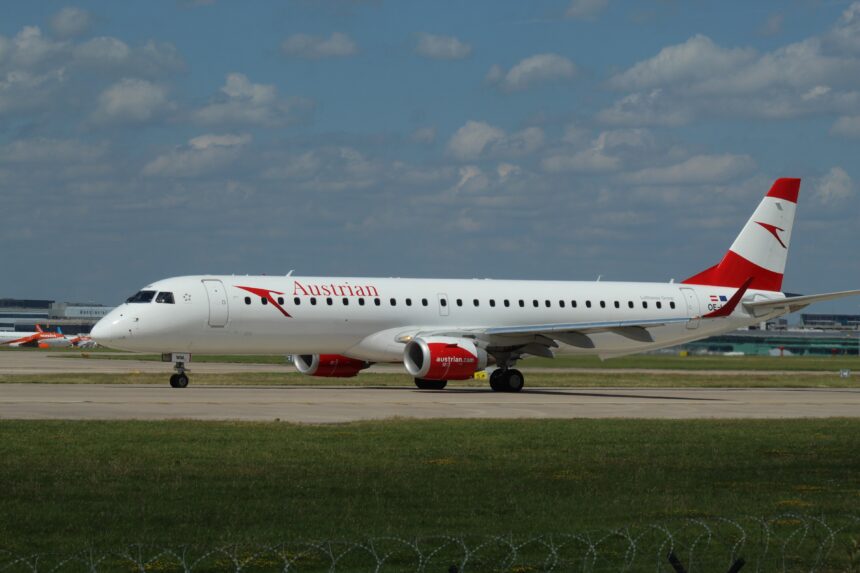
Highlights of the report include fuel savings and a reduction in CO₂ emissions. Its release coincides with the airline renewing its registration under the European Eco-Management and Audit Scheme (EMAS), after successfully completing its first three-year validation cycle.
Commitment to Continuous Improvement
The European Eco-Management and Audit Scheme is a voluntary programme introduced by the European Commission to help organisations improve their environmental impact.
Austrian Airlines, which has over 40 environmental coordinators, has been validated by EMAS since 2023.
Speaking of the recertification, Austrian Airlines CEO Annette Mann commented:
“Sustainable environmental progress can only be achieved through consistent, long-term action. The successful renewal of our EMAS validation confirms that our environmental management system is effective and delivers measurable results. It reflects the commitment of our employees and encourages us to continue further improve our environmental performance year after year.”
Highlights of the Report
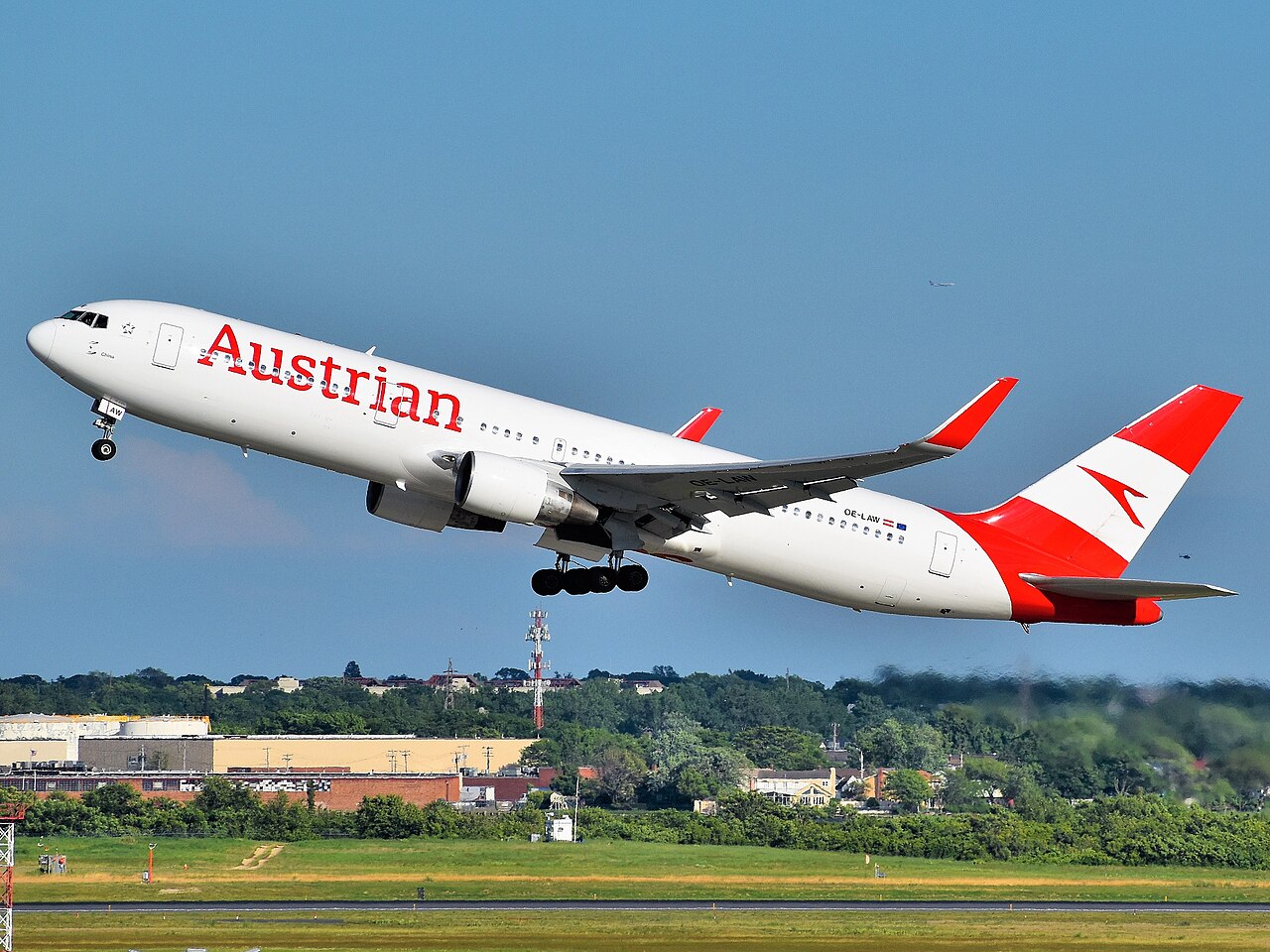
The airline’s 2025 environmental report highlighted a drag reduction of around 0.7 percent, caused by the implementation of AeroSHARK operations on Austrian Airlines’ four Boeing 777-200ER aircraft. Developed by Lufthansa Technik and BASF, AeroSHARK features an innovative surface film inspired by the aerodynamic nature of shark skin. The drag reduction resulted in savings of around 930 tonnes of kerosene and a reduction of almost 3,000 tonnes of CO₂ emissions.
There was also a reduction in onboard waste, with recyclable plastic and aluminium increasing to around 80 percent by the end of 2025, from 76 percent in 2024. The airline aims to reach 100 percent by 2027.
What Other Measures Do You Think Airlines Can Implement to Improve their Environmental Impact? Please share your comments below.