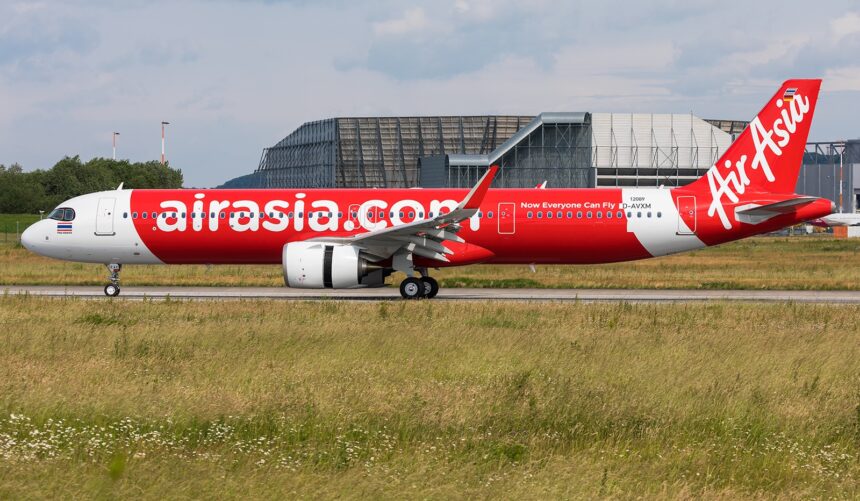
AirAsia Group says it will suspend its Sydney–Kuala Lumpur service operated by long-haul unit AirAsia X (D7), citing a mix of higher cost pressures, softer demand, and the need to realign the group’s network and fleet. The change was announced Aug. 20, 2026, as part of a broader “network recalibration” effort.
Why AirAsia says it’s doing this: cost pressure + fleet strategy
AirAsia’s announcement is framed as a suspension of the Sydney–Kuala Lumpur route. Industry schedule tracking site AeroRoutes reports the Kuala Lumpur–Sydney route is cancelled from 25 Oct. 2026, aligning with the start of the Northern winter 2026/27 schedule season.
AirAsia explicitly notes the Sydney route “was launched back in 2012″, underscoring that this is a significant pullback from a long-running Australian gateway.
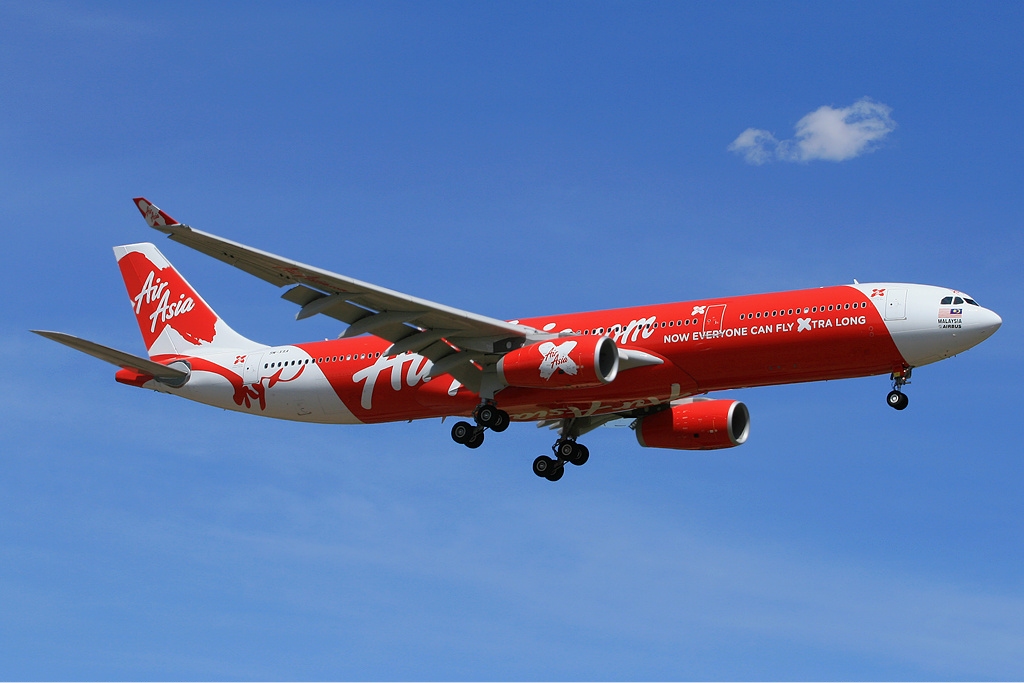
In its Aug. 20 statement, AirAsia ties the Sydney decision to commercial viability and says it is accelerating the retirement/return of older, less fuel-efficient widebody aircraft, including those used on the Sydney route. The airline describes the suspension as a way to focus limited fleet resources on markets where it can operate “sustainably and efficiently”.
The move also fits AirAsia Group’s broader 2026 narrative: in its Q2 2026 results (released Aug. 13, 2026), the company described operating in a “volatile global energy environment”, said it is actively optimising costs, and outlined plans to return 25 older aircraft in FY26 while trimming or restructuring underperforming operations.
Australia network shift: Sydney down, Perth and Melbourne up
AirAsia stresses it is not exiting Australia entirely. Instead, it says it is repositioning capacity toward routes showing stronger performance, including planned frequency increases on Perth–Denpasar, Perth–Kuala Lumpur, and Melbourne–Kuala Lumpur, with further increases planned from December 2026 (including Melbourne–Kuala Lumpur returning to daily service, per the announcement).
This “prune and reinforce” pattern has shown up elsewhere in AirAsia’s Australia network in 2026: in May, Indonesia AirAsia also cited operating conditions and fuel-driven cost pressure when it announced suspensions of Melbourne–Denpasar and Adelaide–Denpasar effective June 2026.
AirAsia says it is contacting affected customers and offering choices, including refunds, credit, or date changes, and it states refunds will be completed within 14 days (with servicing routed through its AirAsia MOVE tools and channels).
For long-haul low-cost carriers, routes like Sydney–Kuala Lumpur are typically profitable only when three things line up at once: fuel costs, aircraft efficiency/ownership costs, and strong year-round demand (not just peak-season demand). AirAsia’s own language, cost pressure, softer demand, and accelerating retirement of older widebodies signal that one or more of those inputs no longer clear its internal “hurdle rate” for keeping Sydney in the network.
Do you think this could serve as a precedent for other airlines to follow suit? Let us know in the comments.