

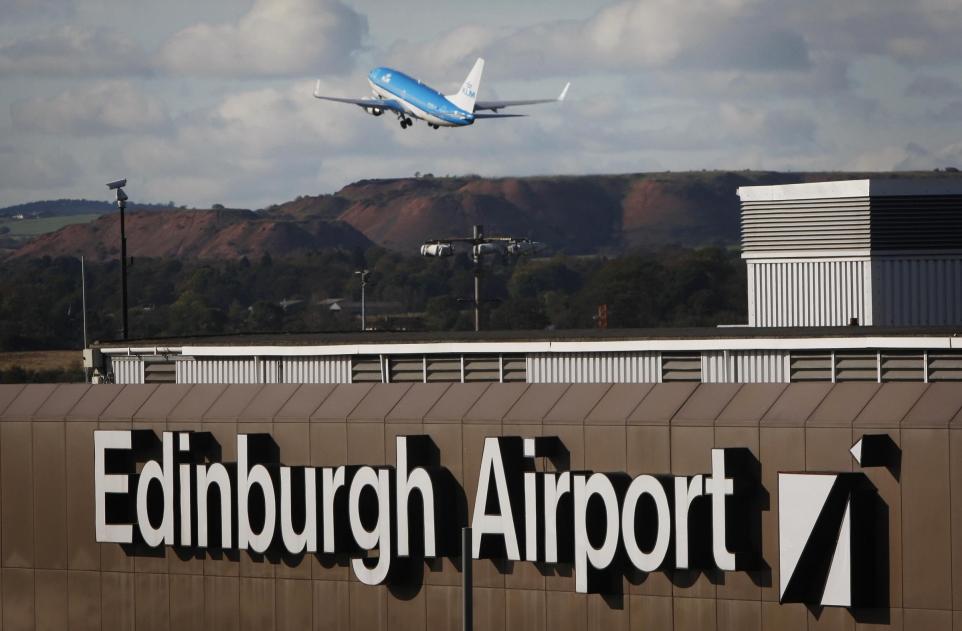
Bristol City Council has now voted to join the cities Sheffield and Edinburgh in their decision to ban the advertising of high-carbon, fossil fuel products including flights, airlines and airports on council billboards. The move comes in an effort to encourage more “climate-friendly” behaviour by not promoting or “normalising” products which affect climate change.
Flight advertising grounded
In March 2024, Sheffield City Council was the first in the United Kingdom (UK) to ban high-carbon advertising of fossil fuel products such as airlines and airports from authority-owned hoardings (along with adverts for junk-food, gambling and vaping).
In May 2024, The City of Edinburgh Council followed suit banning the promotion of commercial flights (along with fossil-fuel powered cars and cruise holidays). At the time, the council said reaching net zero targets requires “a shift in society’s perception of success”, and that advertising has “a key role to play in promoting low-carbon behaviours”.
The advertising ban in Bristol was proposed by the Adfree Cities network and for the first time in the UK also covered “fast-fashion” and “Black-Friday” promotions. The proposal was voted for by all but one councillor, John Goulandris, who said:
“I feel very uneasy about this, where does it end? I’m surprised you haven’t said you’re going to ban Christmas, because Christmas is a time of huge consumption, it’s very bad for the environment. I don’t think most people regard holidays as pernicious and evil and bad. This suggests we’re saying that holidays per se are bad.”
In comparison, deputy council leader Heather Mack said she was “thrilled that this green political priority is being fulfilled.”
Greenwashing
While these councils have banned general advertising for airlines and airports within their cities, it is not uncommon for airlines to face bans on specific advertising and claims.
For example, in July 2022, several environmental groups sued airline KLM for “greenwashing” consumers with its ‘Fly Responsibly campaign’. A Dutch court ruled the advertising was misleading as it did not “align with the actual environmental impact of air travel.”
More recently, the UK Advertising Standards Authority (ASA) ruled that adverts by UK holiday operators Thomas Cook, loveholidays and DialAFlight all broke advertising rules by using terms such as “Eco Resort”, “Eco Hotel” and “eco-conscious resort” as they failed to make clear what those environmental claims were based on.
While sustainability and climate change are hot topics and airlines and travel companies work hard to be seen in a better light, monitoring on advertising is essential ensure that any claims are factually correct.
Restrictions on “high-carbon advertising” may well seem draconian but appear to be more about setting an “ethical tone”. It could be argued that widespread product promotion does contradict ongoing dialogue about reducing carbon emissions.
What do you think of these advertising bans? Do you think they could make a difference to consumer’s behaviour? Or are they a step too far? Let us know in the comments below.