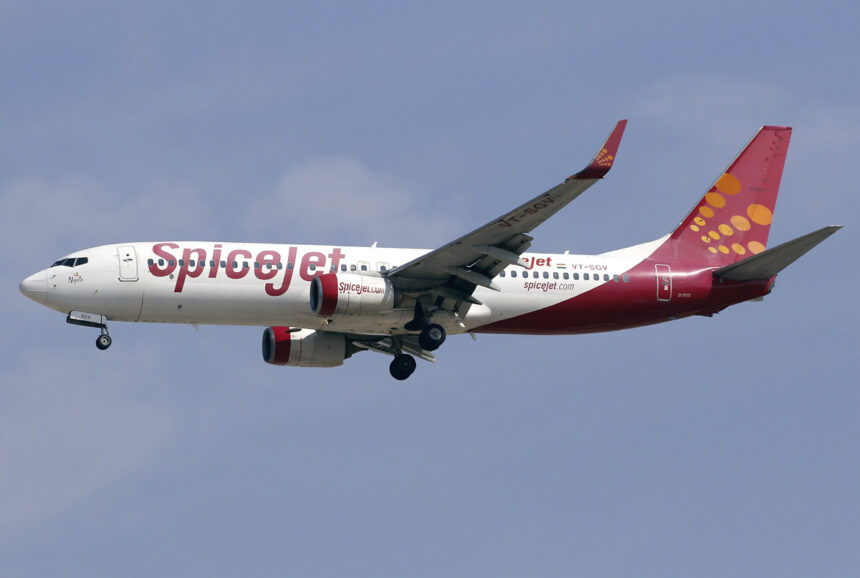
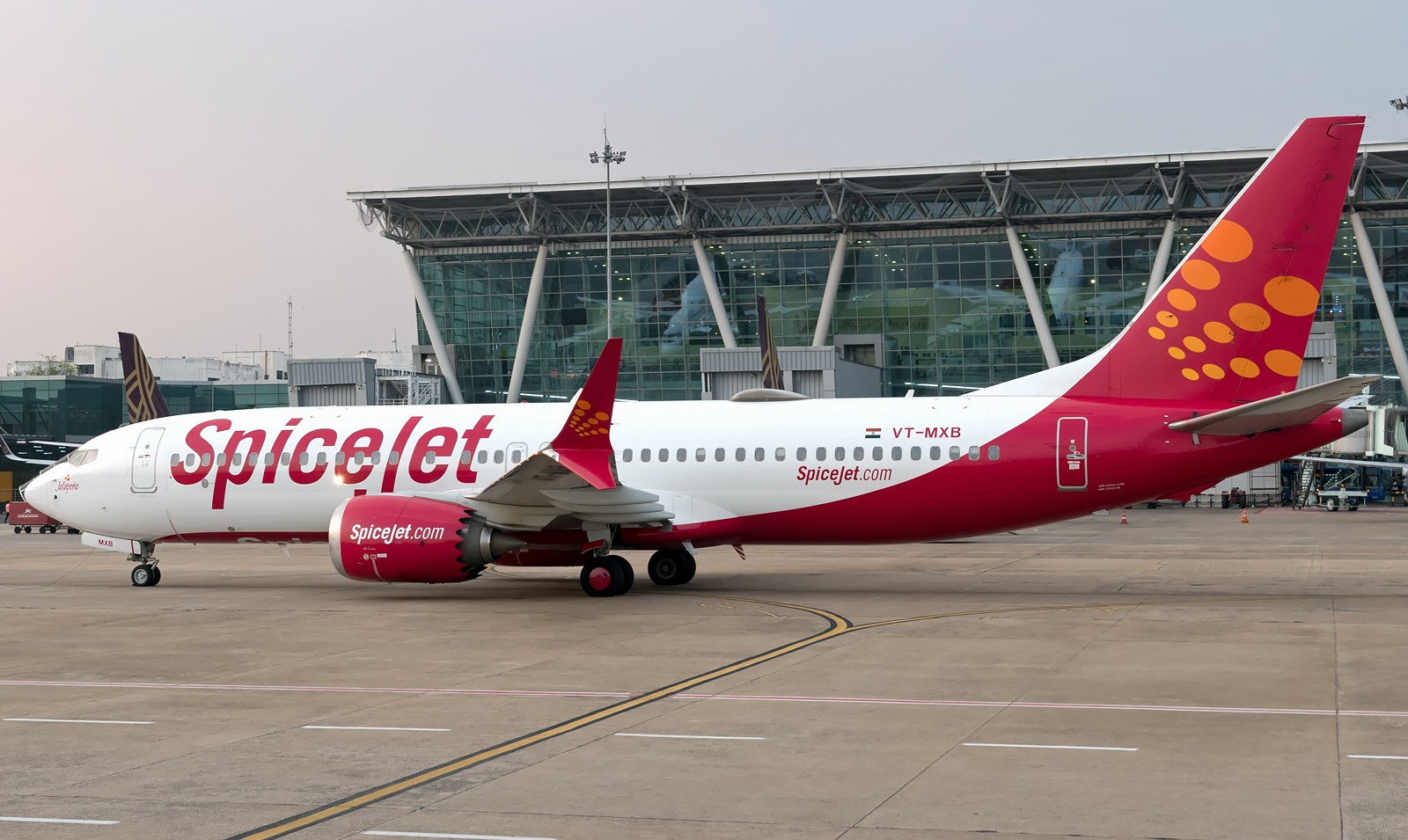
The trouble at India’s SpiceJet continues as the Federation of Indian Pilots has written to the Civil Aviation Minister to request government intervention. The Directorate General of Civil Aviation (DGCA) has also raised concerns over the airline’s financial and operational troubles, including flight cancellations, grounded aircraft, and regulatory violations. The aviation watchdog has issued a show-cause notice to SpiceJet to seek an explanation for these issues.
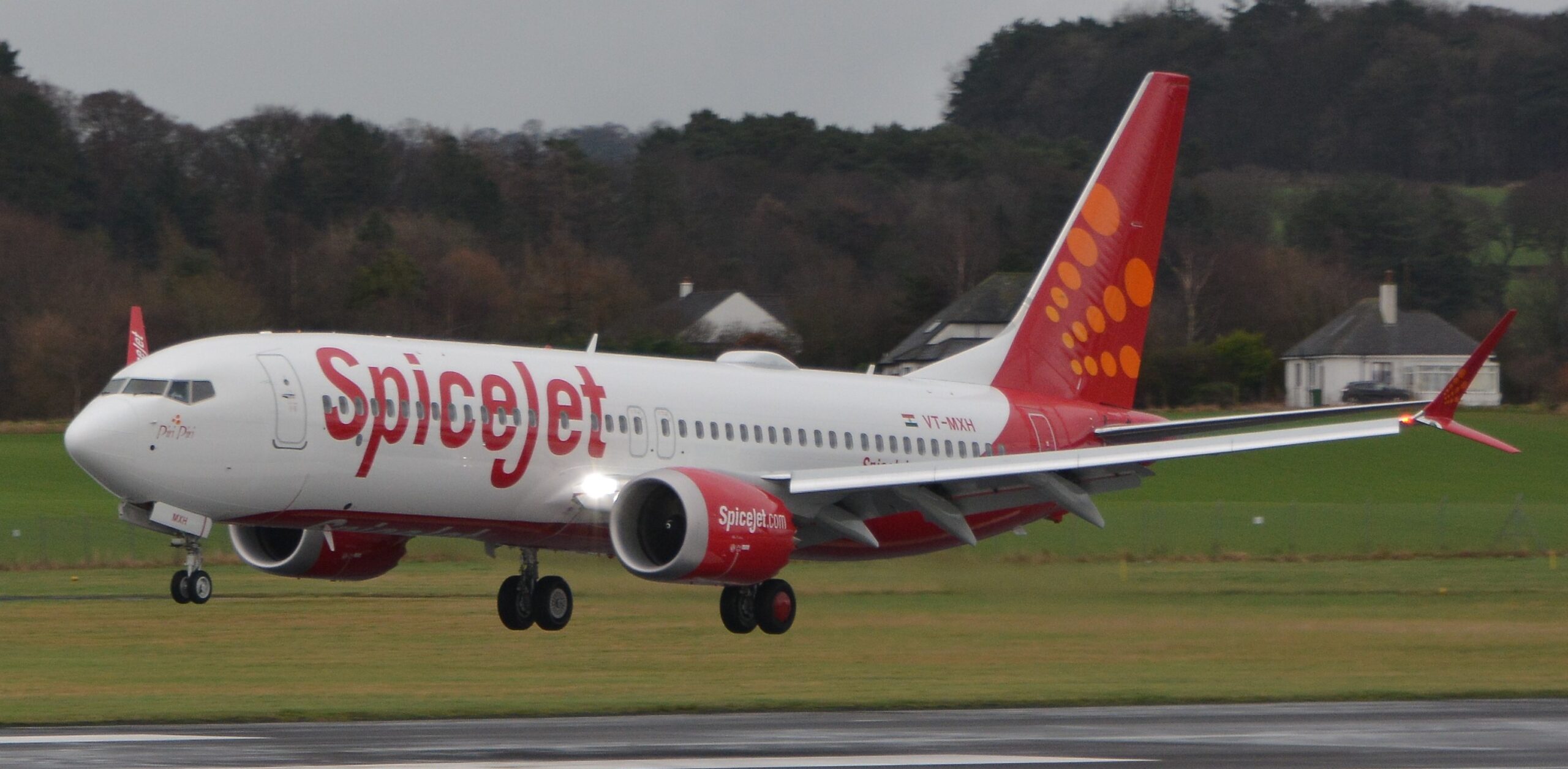
DGCA Issues Show-Cause Notice to SpiceJet
The Directorate General of Civil Aviation (DGCA) has issued a show-cause notice to SpiceJet seeking responses to what it claims are several lapses in the airline’s operations and adherence to civil aviation regulations.
The low-cost carrier has been faced with several financial challenges, including its domestic market share dipping to 0.6% in September from 1.2% in August. These challenges have led to a significant decline in SpiceJet’s operational performance and delivery of its services.
The DGCA’s show-cause notice, which was issued on Nov. 17, flagged concerns about the airline’s performance, including noting a decline in on-time performance (OTP), non-adherence to its approved flight schedule, and continuous passenger disruption relating to an increasing number of delayed and cancelled flights.
In addition to this, a significant number of SpiceJet’s aircraft are currently grounded. The DGCA noted that the airline had failed to submit a credible plan to return these planes to service in its show-cause notice.
Indian Pilots’ Body Writes to Aviation Minister
The Federation of Indian Pilots (FIP) has written a letter to Kinjarapu Ram Mohan Naidu, India’s Civil Aviation Minister, to flag concerns about the ongoing financial and operational crisis of SpiceJet, and has warned that if the airline’s issues are allowed to continue, there could be a serious impact on passengers and the wider aviation industry.
The letter outlines the concerns of the pilots’ association, which included delayed or unpaid salaries, mounting operational liabilities, unpaid airport and vendor dues, and the number of grounded aircraft within SpiceJet’s fleet.
The letter has also called for the DGCA to conduct a full financial and safety review of the airline’s operations.
FIP have called on the DGCA to consider the ongoing impact that the airline’s difficulties could have on the airline’s employees, specifically its pilots, due to financial uncertainty and job insecurity. The pilots’ body noted that a thorough investigation into whether SpiceJet can maintain approved crew strength and comply with flight duty time limitation requirements.
The association’s letter to the civil aviation minister contained the recommendation that mandatory annual assessments of all scheduled airlines’ financial health should be conducted, as well as quarterly financial stress monitoring practices. FIP also suggested that SpiceJet’s safety management system should be looked into, as well as its employee safety-reporting environment.
In addition to this, the board has also noted that the financial burden on airlines could be alleviated by reducing value-added tax (VAT) on aviation turbine fuel (ATF), especially considering the global circumstances that have challenged numerous airlines around the world due to the price of jet fuel soaring.
What do you think of the ongoing trouble with SpiceJet? Let us know in the comments below.