
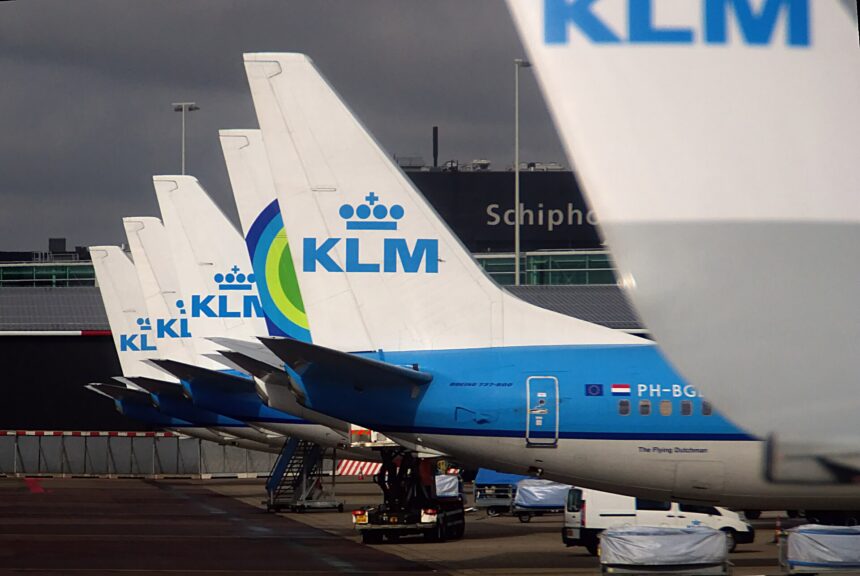
A KLM flight was forced to turn around and return to its take-off location last week after a power bank suddenly set fire in the cabin mid flight. The flight was flying from the Netherlands to the Caribbean when the incident occurred.
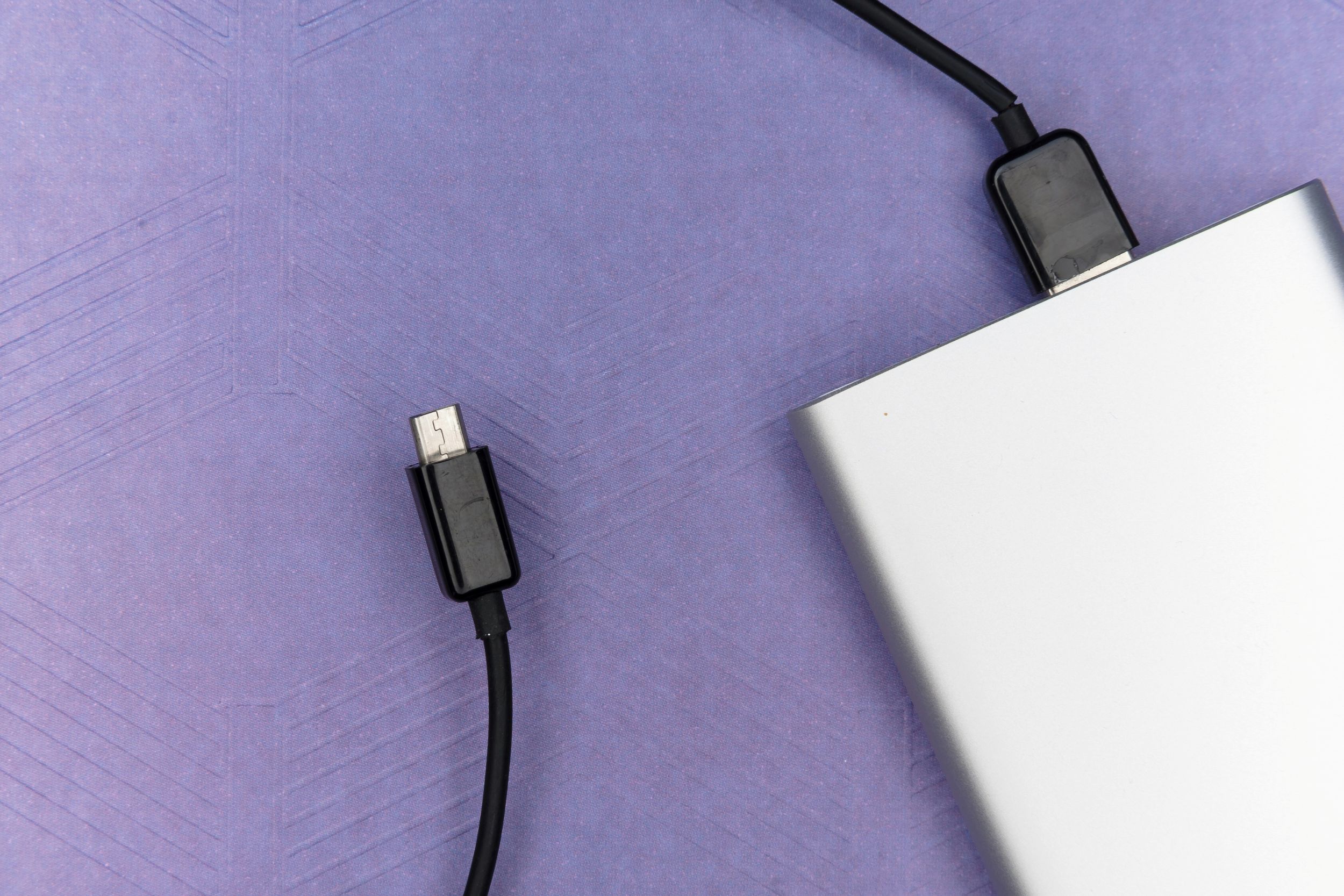
A Minor Fire
On Sept. 17, flight KL735 returned to the airport it took off from after five and a half hours in the air due to a small fire caused by a power bank. The KLM Royal Dutch Airlines aircraft was bound for Curaçao from Amsterdam when it made the U-turn over the Atlantic Ocean and headed back to Schiphol Airport, arriving back to its original destination at 8:40 pm on the same evening.
Footage has since emerged of the incident and its immediate aftermath, showing a window cover cracked and the seat burnt as a result of the small fire, which occurred in the Business Class section of the aircraft. According to a passenger aboard the aircraft, the cabin crew responded promptly and appropriately to the situation, quickly putting out the fire and reassuring concerned passengers. The passenger also claimed that the device that caused the small fire was actively charging at the time of the incident, which is strictly against airline regulations.
KLM has since confirmed that the incident is being investigated, however, the airline refused to give further detail, citing privacy concerns. A spokesperson confirmed that a significant part of the investigation will be to determine if the power bank was indeed charging at the time of the incident, but asserted that they were unable to say any more at that time.
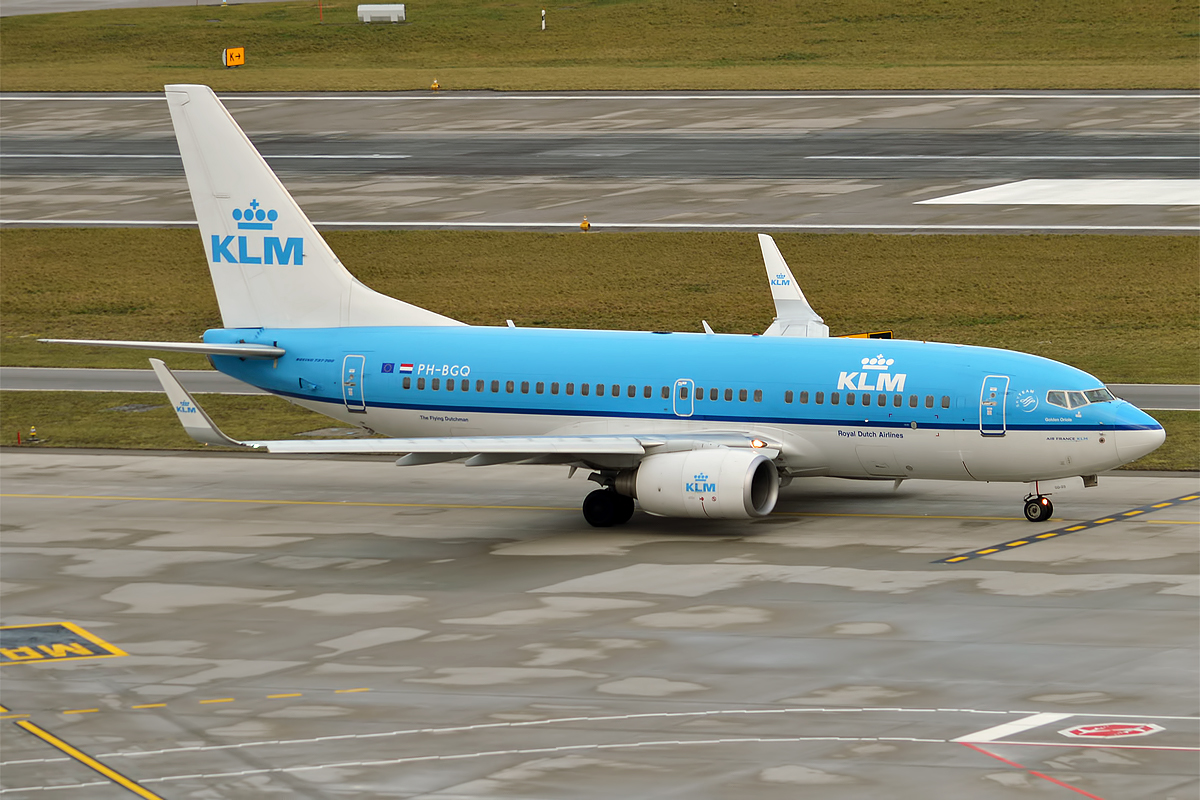
A Running Trend
The restrictions come amid increased scrutiny of lithium-powered devices on flights following a string of incidents that have occurred aboard flights as a result of power banks. Incidents involving lithium batteries aboard aircraft have increased by 15% in the last year, according to the latest data from UL Standards and Engagement’s Thermal Runaway Incident Program (TRIP). In February, an Alaska Airlines flight bound for Washington state from Kansas returned to its departure airport after a passenger’s power bank caught fire after take-off, and in May an IndiGo flight was evacuated shortly after landing when a passenger’s power bank reportedly caught fire in the cabin.
The Civil Aviation Authority has asserted that power banks must be kept in carry-on baggage, not in the hold, and must be individually protected when not in use. Moreover, passengers are prohibited from recharging their power banks, or using them to charge other devices, for the duration of the flight.
British budget airline easyJet recently published a reminder about regulations around the device, saying that they cannot be used during flights, and must be individually protected, by placing them in their original retail packaging or a plastic bag. Similarly, KLM Royal Dutch Airlines allows passengers to bring a maximum of two power banks per person, but they are banned from using them on board.
This is because power bank devices can easily catch fire on planes due to a chemical process referred to as thermal runaway, a quick and uncontrollable chain reaction where internal heat causes the battery to heat up at a rapidly increasing rate until it ignites or vents toxic gas.
What do you think about the strict rules around power banks aboard planes? Let us know in the comments.