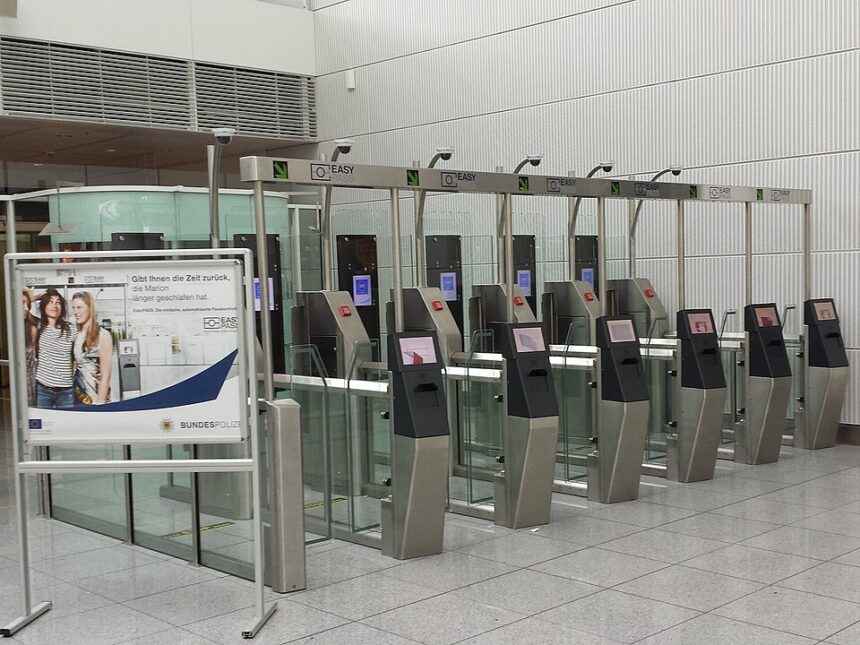
Nine countries have reportedly told the European Commission they will not be enforcing the European Union’s (EU) entry-exit system (EES) at border control until the system is fully operational. The scheme was due to be resumed last week following an EU-permitted summer hiatus, but some countries have refused to do so. EES checks have caused serious queues and disruption to airport operations because of the delays occurring when the checks are enforced during peak travel times.
What is the European Union’s New System?
EES is the European Union’s Entry/Exit System, designed to replace the traditional practice of stamping passports at airports with a new, entirely digital record system. It was officially rolled out last October, with expectations that it would be fully enforced by participating countries by April 2026.
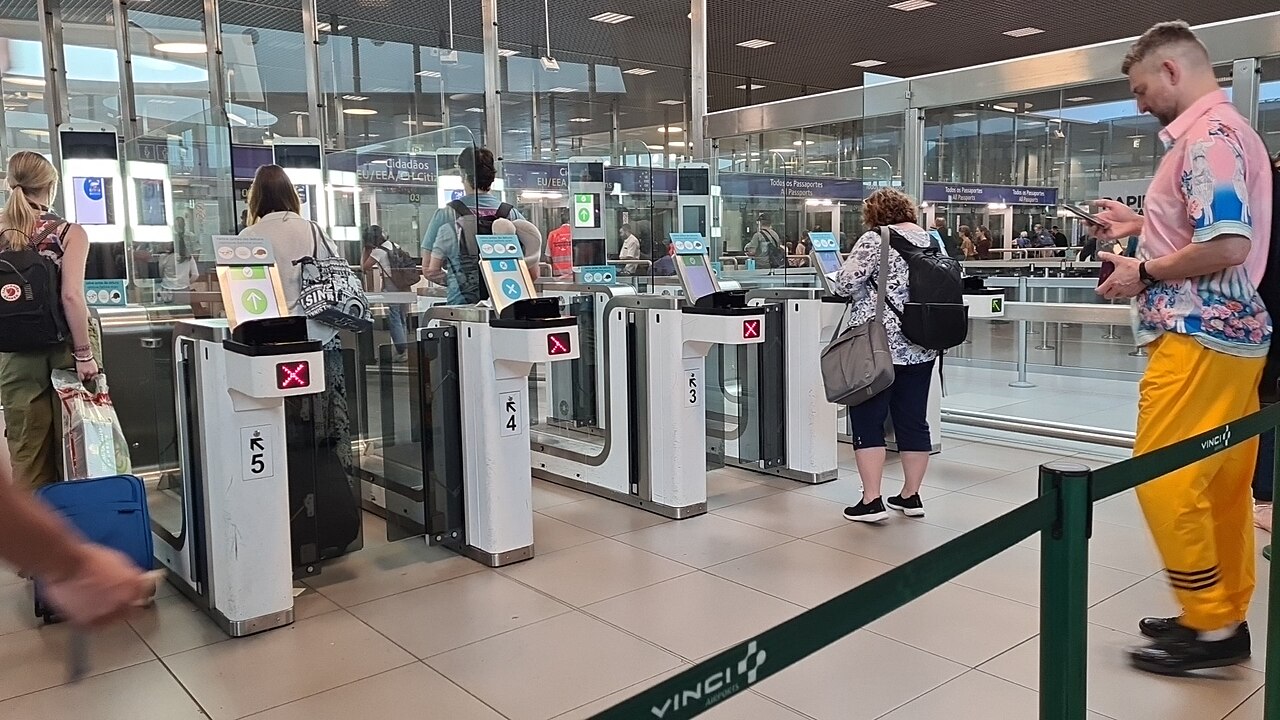
EES requires non-EU citizens to provide fingerprints and a facial scan when entering the 29 countries within the Schengen Area. The Schengen Area is a group of European countries that have abolished internal border controls to allow for free movement of people across its member states.
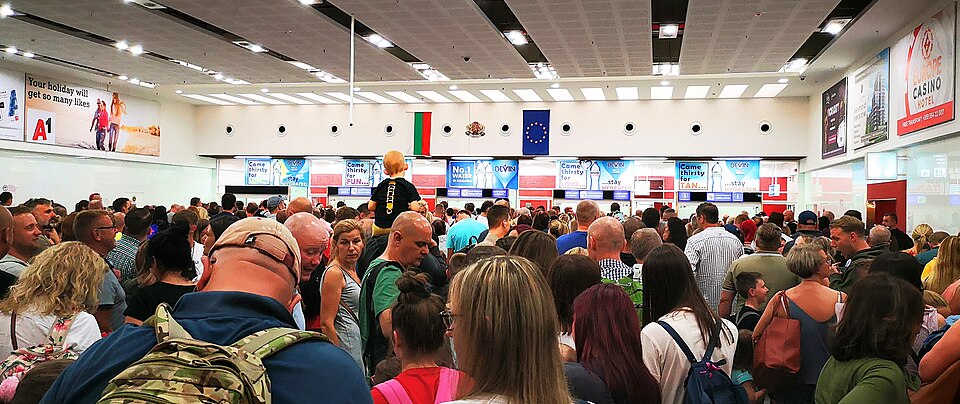
Though the system was designed to improve internal security and to speed up border checks, travellers have reported experiencing long wait times in border queues, with many saying they missed flights because of the queues despite arriving well-before their flights were scheduled to depart.
Part of the issue was the deficient technology and technical faults. The system is operated through national border infrastructure that is linked to a central database. In some countries, border officials were unable to access travellers’ existing files, which meant the registration process had to be repeated and new biometric information collected.
In other airports, the biometric scanners were collecting information but it did not reach the central eu-LISA system, the EU agency responsible for managing the main database of information.
As a result of unreasonably long waits at border control for passengers, the EU granted permission for Schengen Area countries a 150-day grace period where they could temporarily suspend EES checks for up to six hours in order to alleviate congestion in airports and allow airport staff some reprieve.
This grace period expired on Sept. 6, after which the European Commission was expected to enforce resumption of EES in full. The Sunday Times has reported that this may not be the case for nine European countries, however.
According to this report, nine countries have been allowed to delay implementing the scheme in order to “maintain border fluidity”, after the long queues and software difficulties airports have experienced over the summer period. These countries told the European Commission they would not enforce EES until there was a guarantee that the technology was fully functional and the systems operational.
The nine countries that have allegedly been granted informal permission by the EU to do this are: France, Belgium, the Netherlands, Germany, Greece, Malta, Portugal, Italy and Switzerland.
This follows mounting criticisms from various airlines and airports over the European Union’s EES scheme and handling of border control. Ryanair is one such airline and has called on the European Commission to “urgently extend the EES derogation until at least April 2027” in order to give airports enough time to prepare themselves adequately for the scheme by increasing staffing levels.
Chief Operating Officer of Ryanair Neal McMahon commented on the chaos of EES over the summer period:
“The EU’s handling of EES has been a shambles from start to finish. Airlines, airports and border authorities repeatedly warned Brussels that the rollout was not ready, that it would increase processing times and that it would create excessive queues for passengers. Those warnings were ignored, with EU citizens the ones delayed and disrupted. Passengers should not be made to pay the price for the EU’s failed EES rollout.”
Thomas Reynaert, senior vice-president for external affairs at the International Air Transport Association (IATA), voiced similar concerns:
“We’re going to have a huge problem if we can’t switch the system off. Even with flexibility, we’ve seen operational difficulties, technical failures and instability across multiple airports.”
With the announcement that nine countries will not be imminently imposing EES checks on non-EU passengers, and no new deadline yet reported, it seems that a full enforcement of EES will have to wait.
Have you experienced delays because of EES checks this summer? Let us know in the comments below.