Twenty-five years on from one of the most devastating incidents in aviation history, the world has been remembering the lives lost because of 9/11. The legacy of the terror attacks remain visible in the aviation industry today and many of the safety measures we take for granted when flying on today’s aircraft were only implemented after the devastation of 9/11. As the world remembers the 25th anniversary of the terror attacks on the World Trade Center and the Pentagon, the aviation industry reflects on the significance of the incident that changed commercial flights forever.
9/11 Remembered: The Incident That Rocked the World
RMIT Aviation Academy’s Justin Brownjohn said 9/11 was “the single largest structural change to civil aviation in its history” in commentary he made about the legacy of one of the world’s worst terror incidents.
The term ‘9/11’ refers to an incident that occurred in 2001 on Sept. 11 in which four domestic flights bound for California were hijacked by 19 terrorists Al-Queda terrorists and crashed into buildings, taking the lives of almost 3,000 people in total.
The attacks unfolded over the morning of Sept. 11 and revealed the scale of the attack on the United States of America was like nothing that had been seen before. A timeline of the incident looks something like this:
- At 8.46 a.m., American Airlines Flight 11 struck the North Tower of the World Trade Center in the Lower Manhattan borough of New York City.
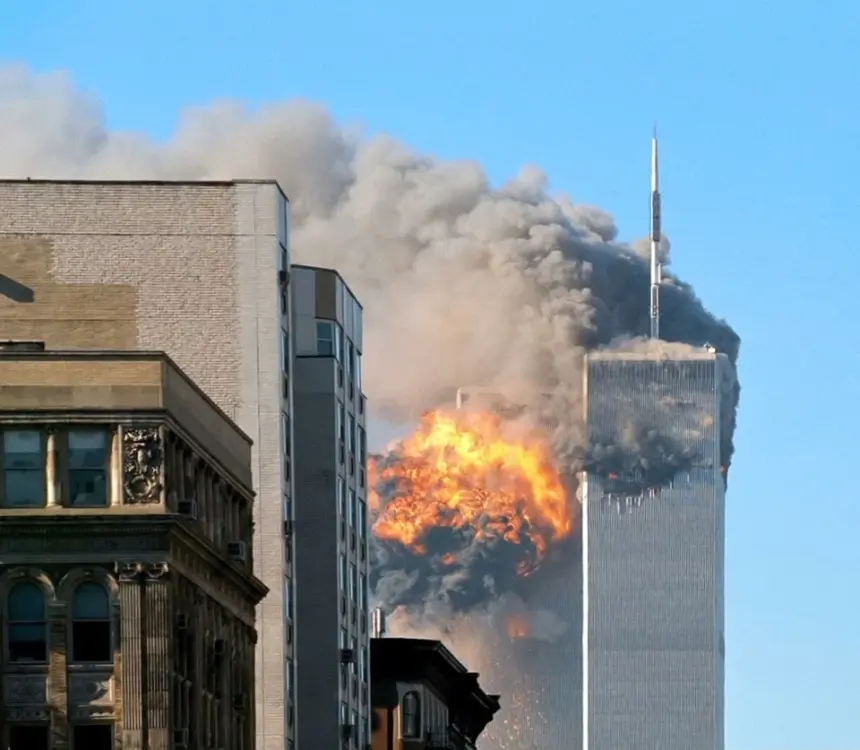
- At 9.03 a.m., seventeen minutes later, United Airlines Flight 175 struck the South Tower of the World Trade Center. This made it clear that the first crash had not been accidental, and that the US was under terror attack.
- At 9.37 a.m., American Airlines Flight 77 hit the Pentagon in Arlington, Virginia. Everyone onboard the flight was killed, along with dozens inside the building.
- By 9.42 a.m. US airspace was officially grounded. The Federal Aviation Administration (FAA) launched Operation Yellow Ribbon which ordered the immediate grounding of all civilian aircraft in the United States. Over 4,000 aircraft were grounded and forced to land at the nearest available airport.
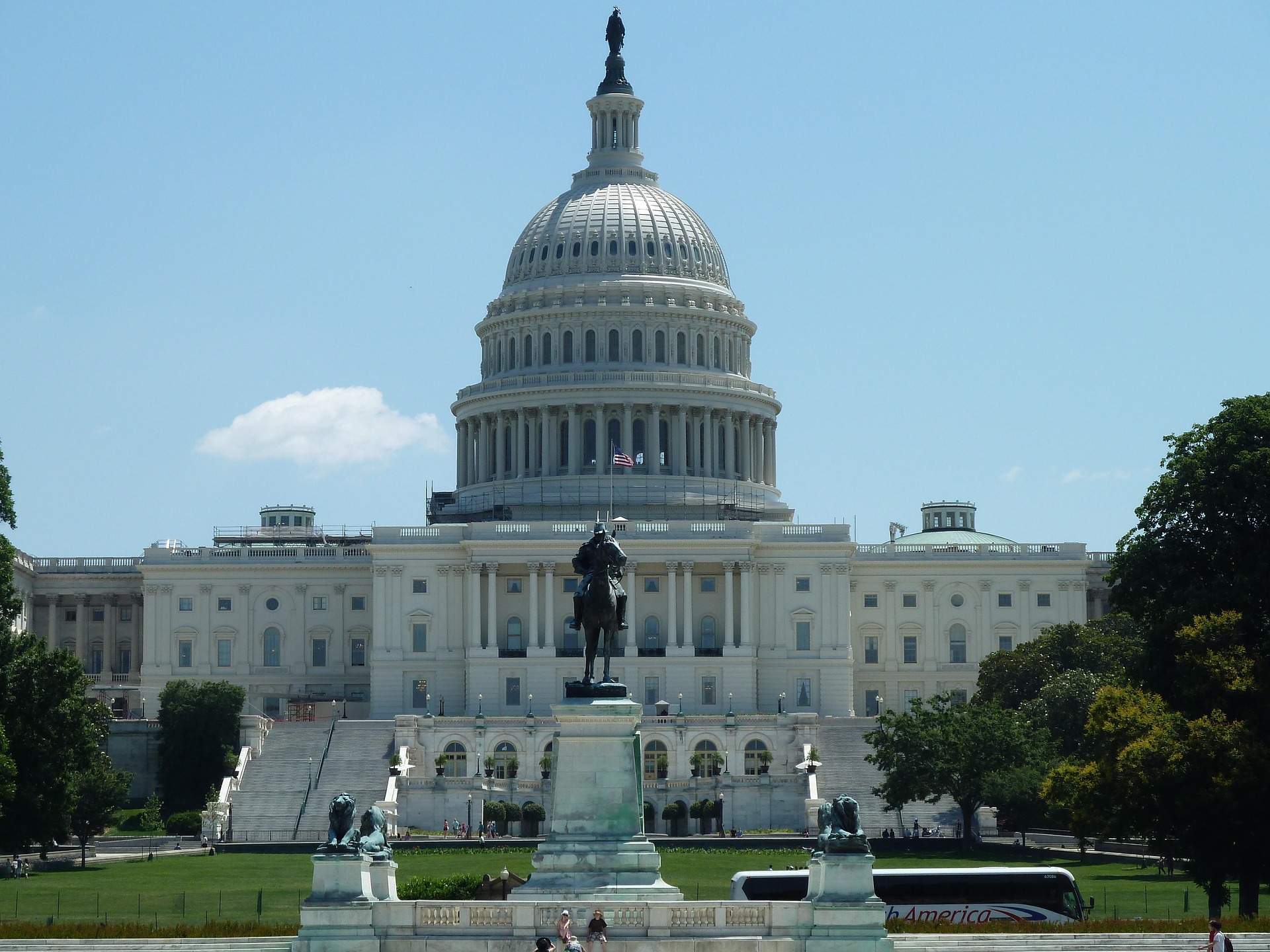
- At 10.03 a.m., United Airlines Flight 93 crashed in a field near Shanksville before reaching its intended target, the US Capitol Building located in Washington, D.C. After being hijacked, passengers and crew stormed the cockpit in attempt to retake control of the aircraft.
- At 10.28 a.m., the North Tower of the World Trade Center collapsed and left devastation raining down on the people of Manhattan in its wake. The South Tower had collapsed around 30 minutes prior.
In the aftermath of these devastating attacks which took the lives of almost 3,000 people, the aviation industry was essentially rebuilt, says Brownjohn, except this time “new assumptions about who and what might be on board, and why” had to be considered. The legacy of 9/11 can still be felt in these changes today.
The Legacy of 9/11 on Airport Security
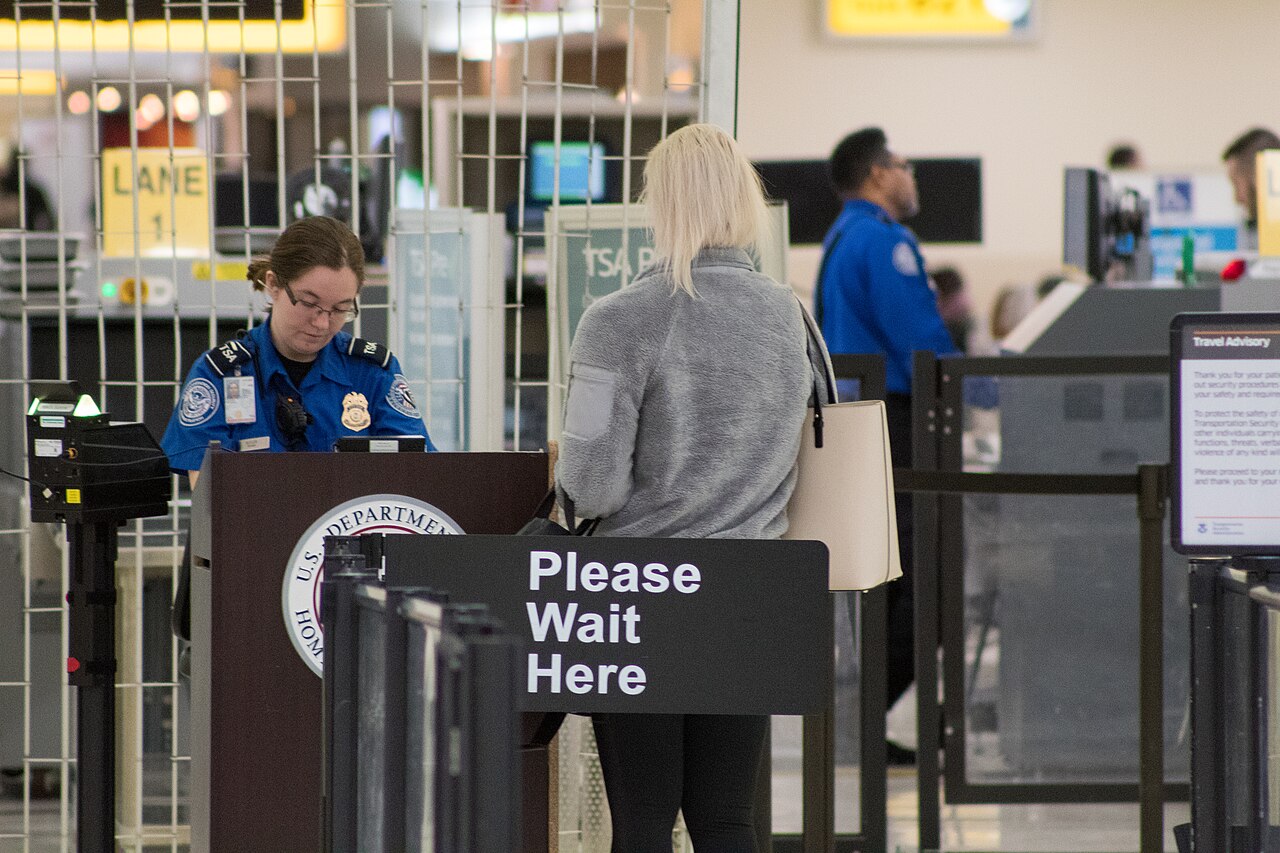
Since the horrific attack on the World Trade Center and the Pentagon, the safety standards and procedures for civil aviation have been revamped almost entirely. Many of the typical security checks we expect to be met with at airports today were only introduced due to the terror attacks that occurred 25 years ago.
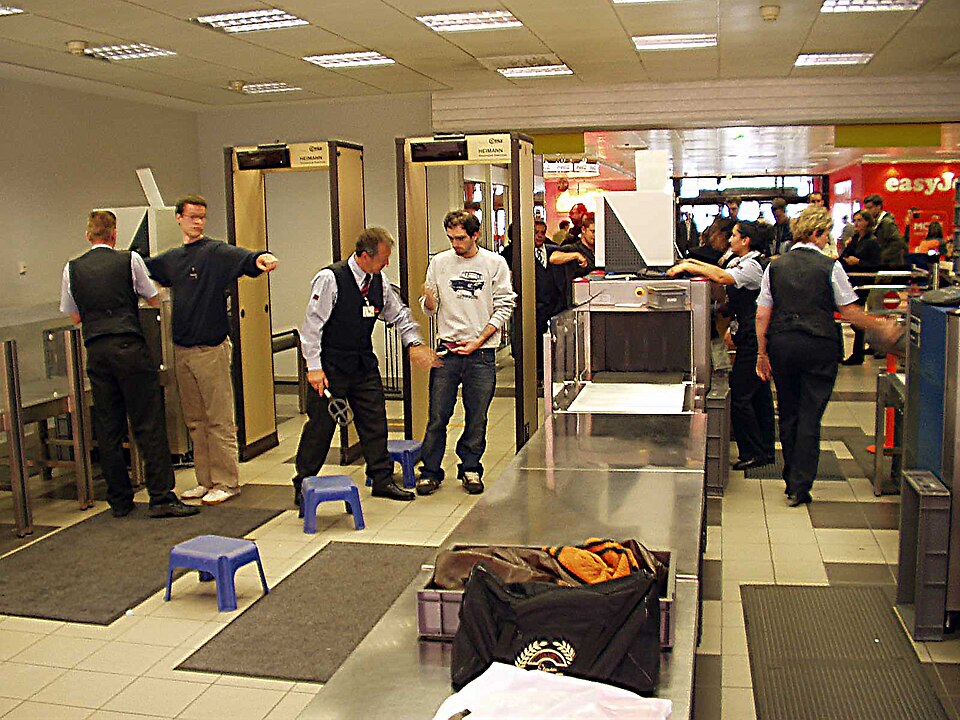
Prior to 9/11, airport security was generally much more relaxed, and the rigorous screening processes and identity checks that are in place today were unheard of. Passengers could legally carry certain types of blades, and liquids were no issue for security. Additionally, civilians did not need an ID nor a ticket to reach the gate.
Screening of passenger luggage was also significantly less extensive. X-Rays weren’t a legal requirement of the screening process until the 1988 Lockerbie bomb incident, in which explosives were placed in a suitcase and 270 people were killed.
Online news outlet Mental Floss reported that the U.S. Department of Transportation’s Inspector General from 1990 to 1996, Mary Schiavo, stated it was assumed that anyone hijacking a plane would want to negotiate rather than kill everyone on board in an act of terror. Thus, many security measures that have been implemented in airports today were considered to be unnecessary.
After 9/11, major changes were made in the aviation industry, particularly related to security measures. The event prompted a total review and overhaul of practices that, in light of the devastation of 9/11, were deemed insufficient. The Aviation and Transportation Security Act was passed in Nov. 2001 and established the Transportation Security Administration (TSA), the organisation responsible for implementing changes to aviation security following the attacks.
Some of the safety measures introduced in light of 9/11 included requiring members of the public to possess both a form of ID and a ticket to get through security. Metal detectors were used prior to the attacks in some cases but came into much more widespread use after the incident.
Screening procedures also changed significantly. Instead of being operated by minimally trained employees of private companies, a federal workforce was implemented, and training was notably scaled up. In addition to this, physical screening replaced manual checks, with advanced scanners being introduced alongside body screeners and real-time biometric databases.
Planes were also modified after 9/11; cockpit doors were redesigned to prevent hijackers from entering. A bulletproof door was designed to be equipped with a remote locking mechanism that would prevent unauthorised entry into the cockpit.
A Loss for The Profession
In his commentary, aviation expert Justin Brownjohn noted that one of the least talked about changes after 9/11 was the termination of the practice of pilots inviting children on the flight to come and see the flight deck whilst en route to their destination. He described the loss as a tragedy for the inspiration the practice once instilled in children:
“A generation of pilots and aviation workers trace their career beginnings to being invited onto the flight deck as a child – the captain turning around, the instruments, the wings pinned on afterwards. That door is now closed, permanently, and doubly secure.”
Whilst a small loss in theory, it symbolises a larger loss for the future of the aviation industry. What had once been an inspiring experience for children and kick-started the ambitions of future aviation professionals was lost because of an aviation-focused catastrophe.
The lessons from 9/11 remain clear and concrete, even 25 years later. The legacy of the terror attacks has fundamentally changed the way the industry operates, now with the safety and security of passengers as the absolute crux of all operations within the industry.
Today at Travel Radar, our thoughts are with the families and loved ones of those who lost their lives or were affected by 9/11.