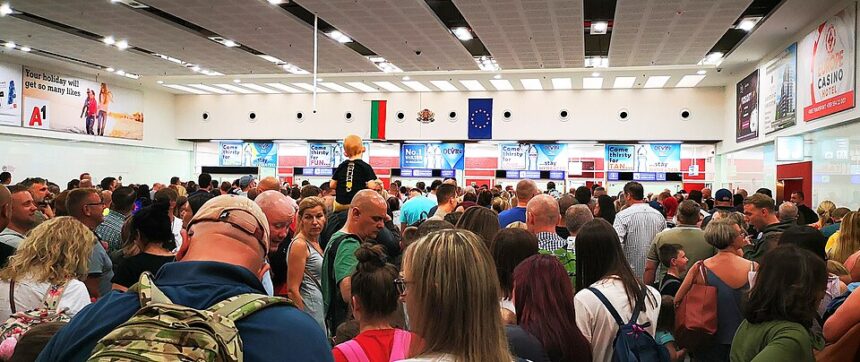
According to the BBC, British travellers returning from Europe this summer are being advised to arrive at airports at least three hours before departure, as new European border procedures continue to cause long queues and disruption.
New Biometric Border System Creates Long Queues
According to the UK Managing Director of Wizz Air, Yvonne Moynihan, the implementation of the European Union’s Entry Exit System (EES) has resulted in extended wait times at passport control in several popular holiday destinations. The delays have been significant enough for some passengers to miss return flights and onward connections.
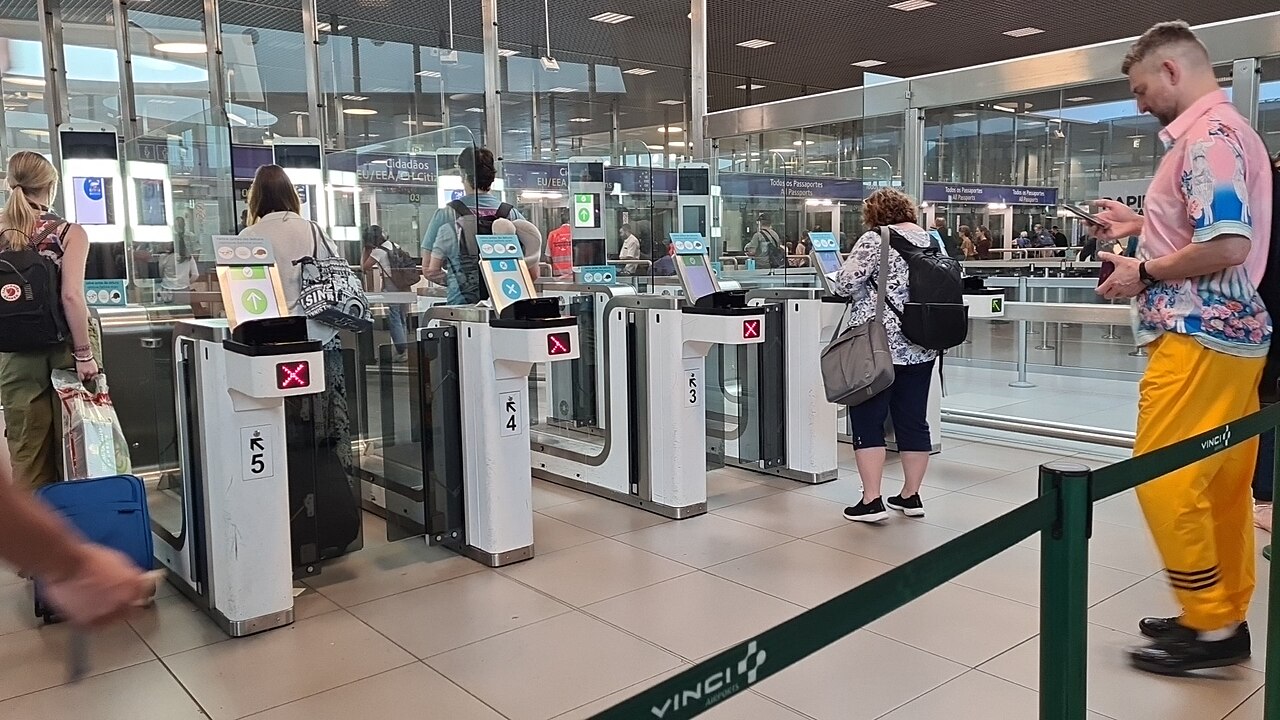
The EES is a new EU border management system that requires non-EU travellers, including UK citizens, to register biometric information such as fingerprints when entering participating European countries. That information is then verified again when travellers leave the Schengen Area.
The system has been gradually introduced across Europe, with nearly 80 million entries and exits recorded since October and approximately 35,000 refusals of entry, according to Mitigation and Home Affairs. Although the European Commission says the system is operating successfully at most border crossings, airports and airlines report growing congestion at several major travel hubs.
According to Wizz Air, travellers have experienced the longest delays in destinations including Spain, Portugal and France. Moynihan said that while some airports have introduced additional staff and self-service registration kiosks, the experience remains inconsistent across Europe. For example, Moynihan reported encountering no significant delays during a recent trip to Mallorca, where airport authorities had deployed extra personnel and a large number of EES kiosks. However, she warned that not all airports are equally prepared.
Industry group ACI Europe surveyed 45 airports across 20 EU countries and found that EES-related queues can reach up to three and a half hours in some locations. The organisation has warned that delays could worsen during the peak summer travel season as passenger numbers increase.
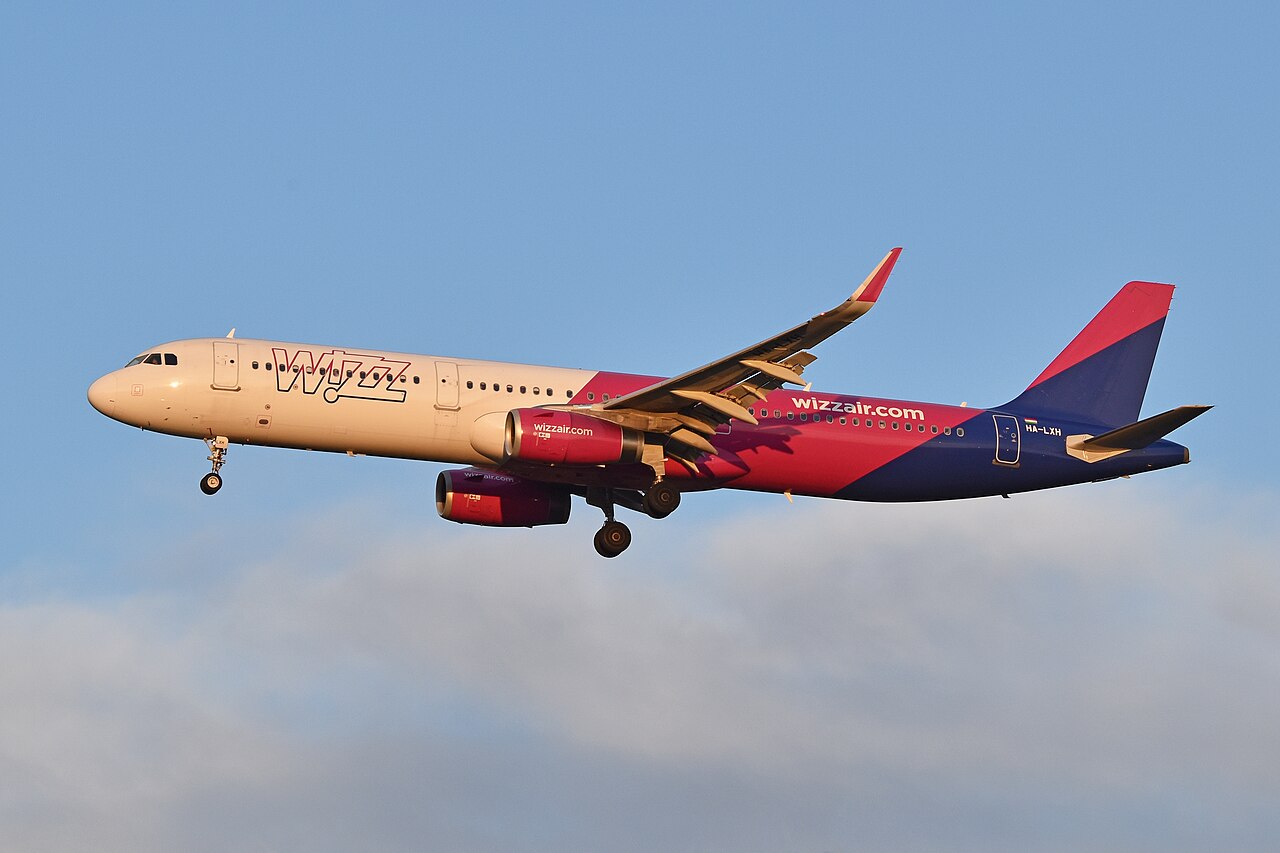
Airlines Urge Passengers to Plan Ahead for Summer Travel
In response to the disruptions, Wizz Air is recommending that passengers arrive three hours before departure rather than the traditional two-hour guideline for short-haul flights. The airline also advises travellers to allow additional time when booking connecting flights. Border checks on departure can create unexpected delays, increasing the risk of missed connections. Moynihan suggested passengers prepare for longer waits by carrying essentials such as water and portable phone chargers, particularly when travelling through airports known for congestion.
Several countries have already taken steps to ease pressure on border controls. Greece has temporarily suspended biometric checks for British travellers at some border points to reduce summer disruption, while Portugal has announced plans to deploy an additional 360 border officers at airports beginning in July.
The European Commission has also allowed temporary suspensions of biometric registration at specific border crossings in exceptional circumstances where excessive waiting times occur, according to the BBC. Despite concerns about border delays and broader industry speculation over potential jet fuel supply disruptions linked to instability in the Middle East, airlines remain optimistic about the summer season.
Moynihan said Wizz Air does not expect fuel shortages or schedule reductions and encouraged passengers to continue booking travel with confidence.
Do you think travellers should arrive three hours early because of the new border checks? Let us know your thoughts in the comments below.