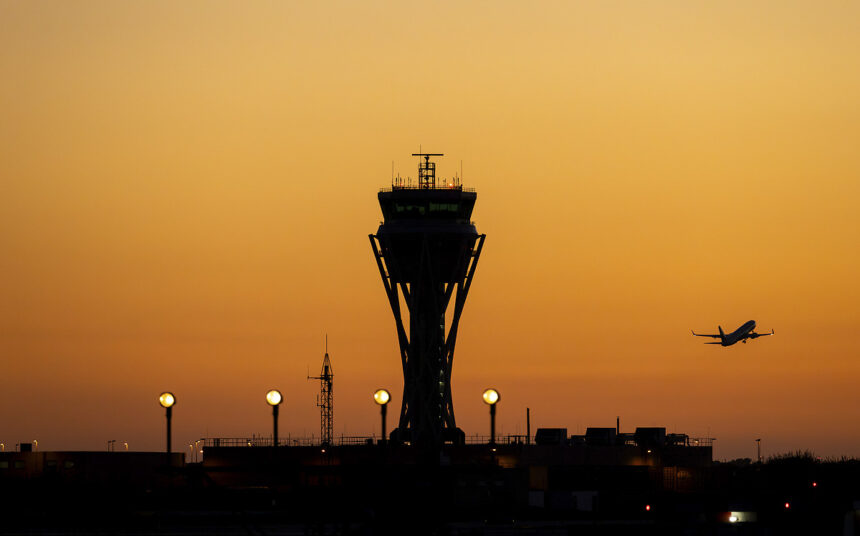
Reports are emerging that the air traffic control (ATC) issue that grounded thousands of flights departing or arriving in the UK last week was caused by a military aircraft. The incident affected close to 300,000 passengers and is the largest technical failure of the UK’s ATC system, NATS, since the 2023 outage. The Ministry of Defence has denied the fault of the military in causing this issue. Martin Rolfe is continuing to come under fire for NATS’ technical failure.
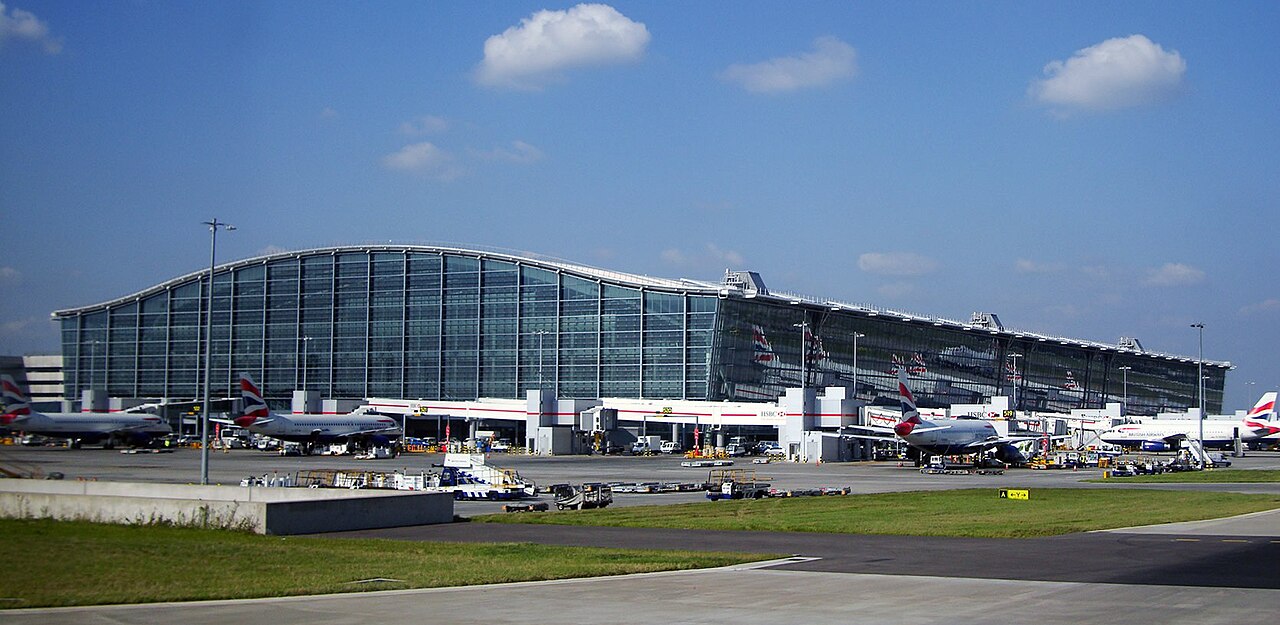
Hours of Chaos Following Avoidable NATS Failure
On Tuesday, Sept. 8, a major incident resulted in significant disruption to aviation operations in the UK after the country’s ATC system crashed.
As Travel Radar reported at the time of the incident, the National Air Traffic Services (NATS) experienced a problem with its flight-processing system. The issue was first flagged in the NATS control centre located just outside of Southampton a little before 1 p.m. Minutes later, airlines received calls from airports to warn them of the issue and flights were suspended from airports surrounding London.
Passengers who had boarded planes were left with little information as their aircraft remained sitting on the tarmac for hours. Incoming planes were diverted to airports as far away as Germany.
The Financial Times reported that just after 3 p.m. an email was sent by NATS through its crisis response network, Air Traffic Incident Communication and Co-ordination Cell (ATICCC), stating that NATS understood what had caused the problem and that it would take 25 minutes to plan the fix and a further 30 to 40 minutes for the fix to be carried out. Unfortunately, this proved not to be the case, and a reboot of the entire NATS system was required.
Chief commercial officer of easyJet, Sophie Dekkers said:
“They said it would be another 40 minutes but after another hour or so passed it still wasn’t resolved. I think they were trying to manage us and trying to manage expectations but unfortunately the time that they gave us wasn’t actually met in reality, so it was very difficult to plan because it was a live ongoing situation.”
Once operations were resumed, getting things back on track was a slow process and some aircraft had been waiting for over 10 hours to depart. Airline schedules were also affected in the following days as efforts to clear the backlog of disrupted flights were undertaken.
Following the incident, Transport Secretary Heidi Alexander has commissioned two separate investigations to find out the cause of the chaos last week. The first is being undertaken by NATS itself, the results of which are expected to be published within the next week. An independent investigation has also been launched by the Civil Aviation Authority (CAA); however, this report is not due to be released for another six months or so.
The outcome of NATS’ report will be crucial for confirming the cause of the incident, and for the future of NATS Chief Executive Martin Rolfe, who has come under serious fire in the aftermath of this catastrophic failure.
Military Aircraft at the Heart of NATS Outage?
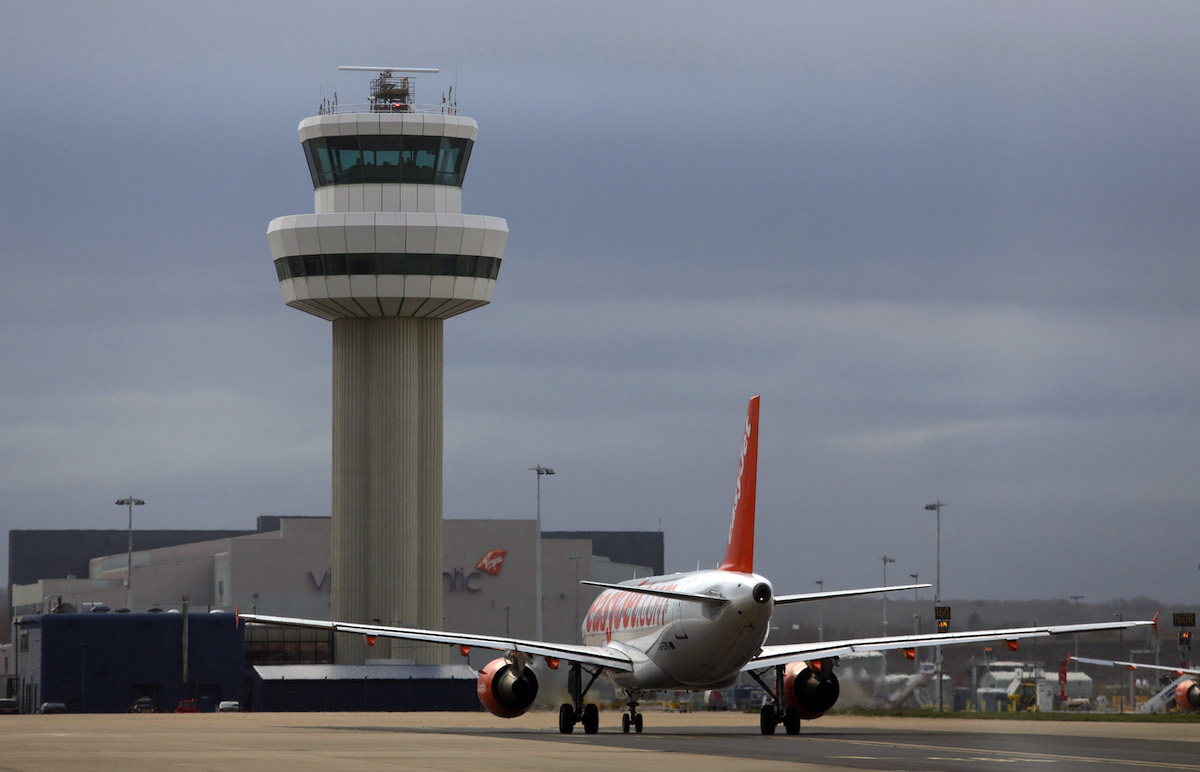
Whilst the outcome of the investigation into the outage is still pending, the Financial Times has reported that four sources have claimed the issue was caused by a military aircraft entering “spurious” flight data into the system. The media outlet said that the aircraft’s flight plan caused the meltdown in the system that proceeded to create disaster for airlines and airports alike.
The Financial Times has also reported that Kathryn Leahy, Operations Director of NATS, made the revelation on a call with select operations managers around 7 p.m. on Sept. 8 whilst the issue was being resolved.
The Ministry of Defence has denied these claims, however. A spokesperson for the department said:
“We do not believe there’s any indication of an error on the part of the military. Because it’s subject to a live NATS investigation, which is expected to conclude next week, it would be inappropriate for us to comment any further while that investigation is ongoing.”
Whether there were any fault on behalf of the UK military or not, the incident has put major strain on relations between airlines and NATS. This is the third major incident for the ATC system within three years.
NATS Chief Executive Martin Rolfe is also facing major scrutiny. Rolfe was also chief executive during the 2023 failure that saw 1,600 flights face delays. He was also paid £1.5 million last year, including £871,000 in bonuses, according to the Daily Mail.
Previously, Travel Radar reported that Transport Secretary Heidi Alexander had determined the outage was “not unavoidable” after meeting with Rolfe. Following the numerous calls for Rolfe’s resignation from airline executives, the NATS investigation will be critical to deciding his future. Michael O’Leary, chief executive of Ryanair, said Rolfe’s position was untenable, and alleged the CEO had “lied to save his own skin”.
The 2023 NATS failure was caused by a flight plan, similar to what is being alleged as reason for the recent outage by the Financial Times, airline executives have said they were promised such an incident would never happen again. Following the incident, the CAA concluded its investigation by highlighting 34 recommendations to improve NATS, all of which were reported to have been implemented.
Airlines have questioned the effectiveness of NATS following the disruption, particularly in light of the fact that NATS does not currently have a dedicated backup system. This is reportedly partly due to the massive cost a replicated system would produce, as well as due to an overhaul of the current system being underway.
A Wizz Air spokesperson said that the technical failure NATS experienced proved that the system was “simply not fit for purpose in its current form.”
NATS have apologised for its third major technical fault in as many years. The previous two incidents were the aforementioned computer shutdown in August 2023, and a smaller outage that occurred in 2025 and caused 150 flight cancellations.
What do you think of the reports that a military aircraft could have been the cause of the outage? Let us know in the comments below.