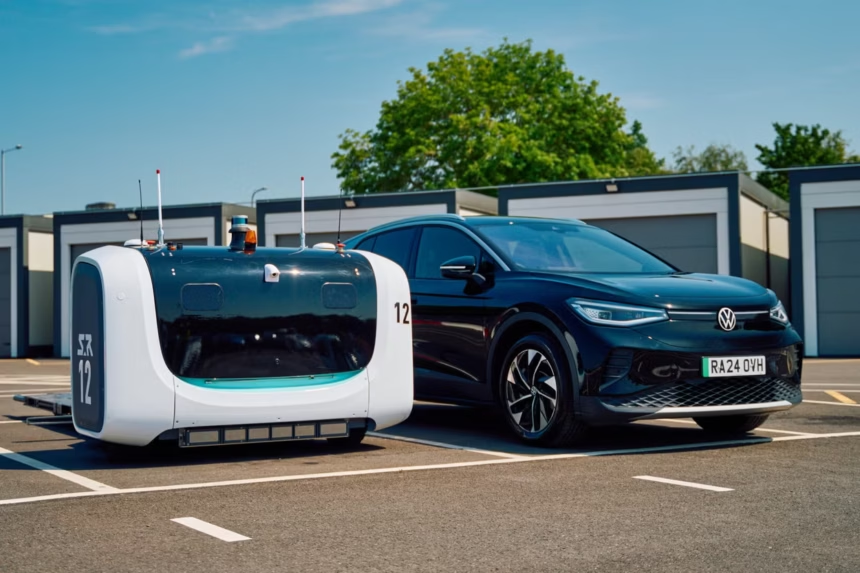
London Gatwick (LGW) has begun testing the UK’s first fully automated robotic valet parking service. The system is designed to boost capacity and tighten security, enabling passengers to park cars without the need for human interaction. The airport is pitching the technology as a secure alternative to third-party parking firms, coming at a moment when confidence in external parking firms has been shaken by high profile incidents and passenger complaints.
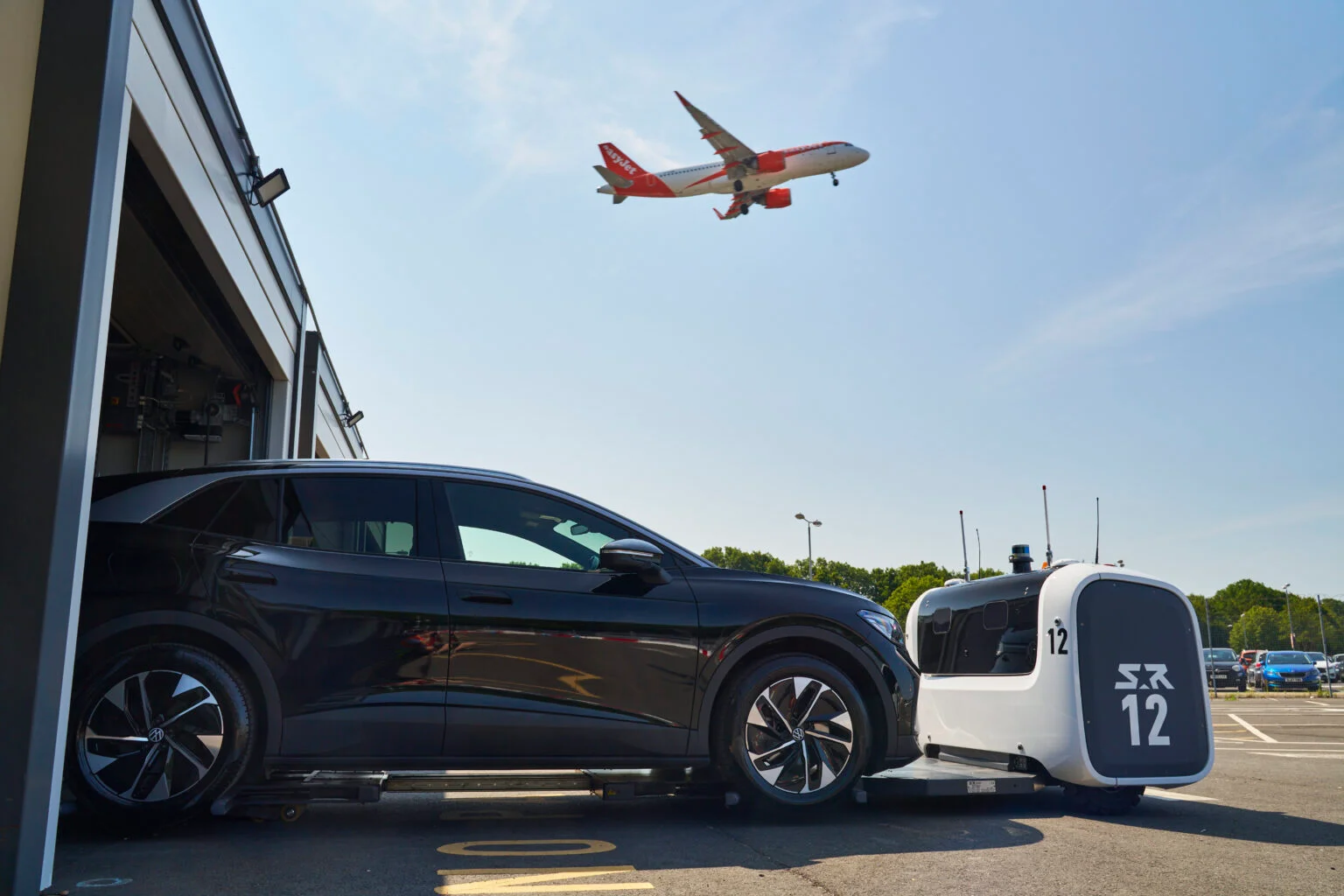
How the Robotic Valet System Works
Passengers begin by driving into a private garage suite, scanning a QR code, switching off the engine and keeping their keys. Once the unit’s cabin door closes, the robot slides underneath the vehicle, lifting it by the tyres, and transporting it to a secure outdoor lot. When travellers return, the system tracks their flight landing and pre-positions the car in the garage for collection.
The dedicated car park holds between 200 and 250 vehicles and sits alongside the airport’s existing 47,000 spaces. By eliminating the need to open doors, cars can be packed far more tightly, improving capacity and parking efficiency. Stanley Robotics’ chief technology officer Aurélien Cord says the system increases density by 50%:
“Where there are 2,000 spaces, you can park 3,000 cars.”
The service costs 109 Pounds for a five-day-stay and is currently limited to trips of five days or longer, with drop-offs restricted to weekdays between 9:00 and 17:00. Gatwick says this window will soon expand, and if passengers face delays, as was the case earlier this week, they can call ahead to arrange an out-of-hours collection.
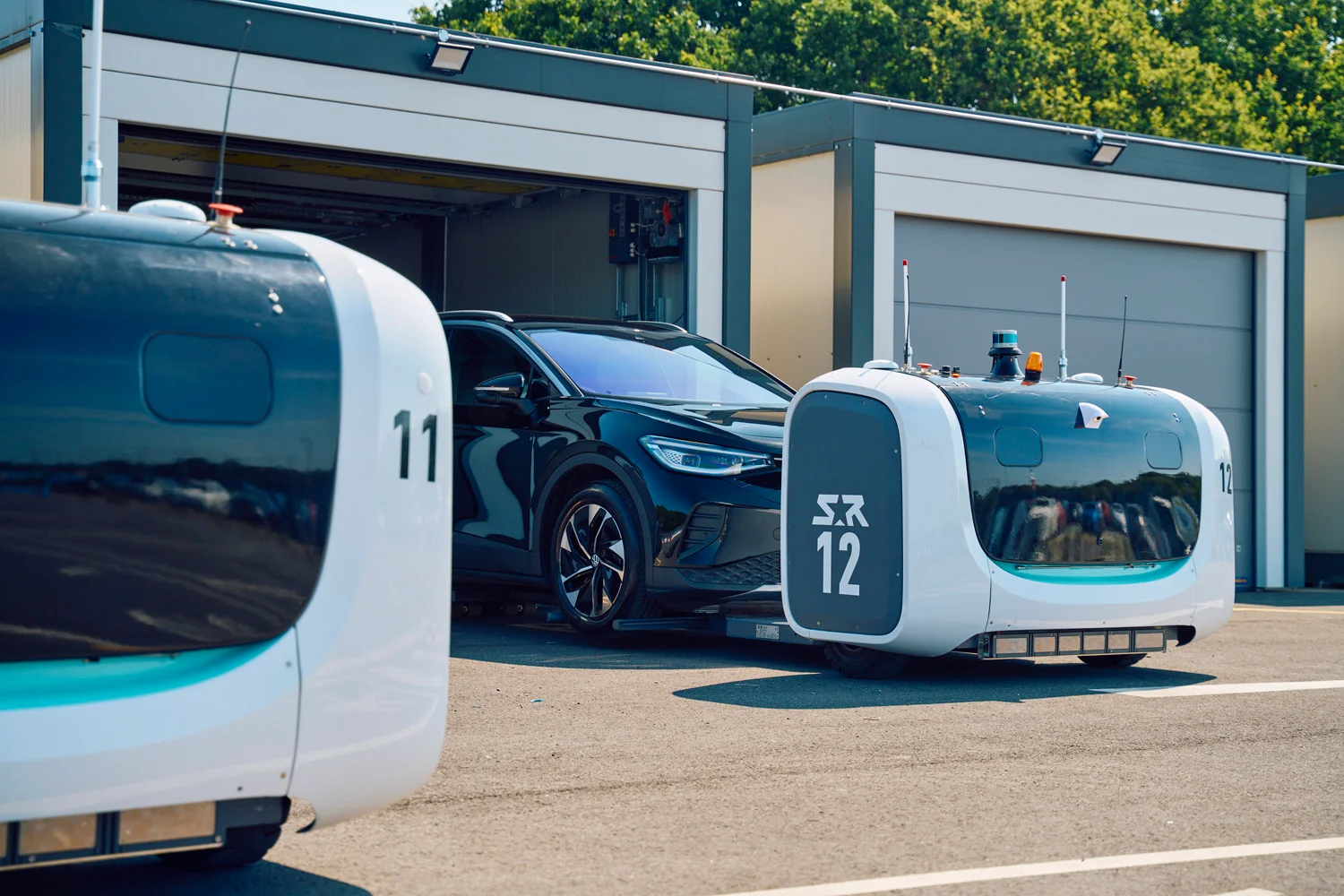
Gatwick says the technology is resilient and monitored continuously. Radar sensors create a protective zone around each vehicle, stopping the robot if it detects an obstacle or intrusion. Cord emphasises the security of the new technology, saying:
“The robots have radars that detect all the obstacles around. If there’s an intrusion, they will stop and ask people in the control tower to check.”
Safety Concerns and Limitations
Around 5% of vehicle models cannot be handled by the robot. Incompatible examples include the Range Rover Sport Hybrid, the Renault Trafic Van, low-clearance sports cars and SUVs fitted with roof boxes. Some vehicles have more sensitive alarms than others, but Gatwick’s head of airport access Oli Bedford reassures users, stating that the airport remains confident in the system’s reliability.
The launch comes at a time when secure parking is under scrutiny. In late August, a fire at a third-party car park near Gatwick destroyed 140 vehicles, leaving returning holidaymakers to find them gone. Separate investigations into unauthorised parking operators at UK airports have uncovered cases where vehicles were returned with unexplained mileage, visible damage or speeding fines issued during the passenger’s trip. Cord argues that the robotic system removes those risks entirely:
“It’s like valet parking but you keep your key. It has all the advantages of valet parking, but not the disadvantage of lending your car to someone you don’t know.”
Concerns have been raised over future job security, but the airport maintains that the robotic valet is an additional service rather than a replacement for existing staff.
Would you trust a robot to park your car? Let us know in the comments.