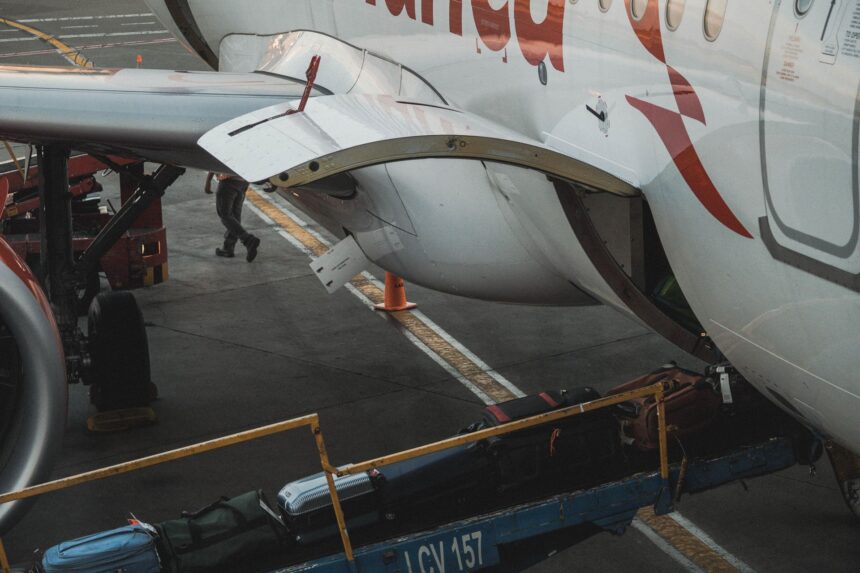
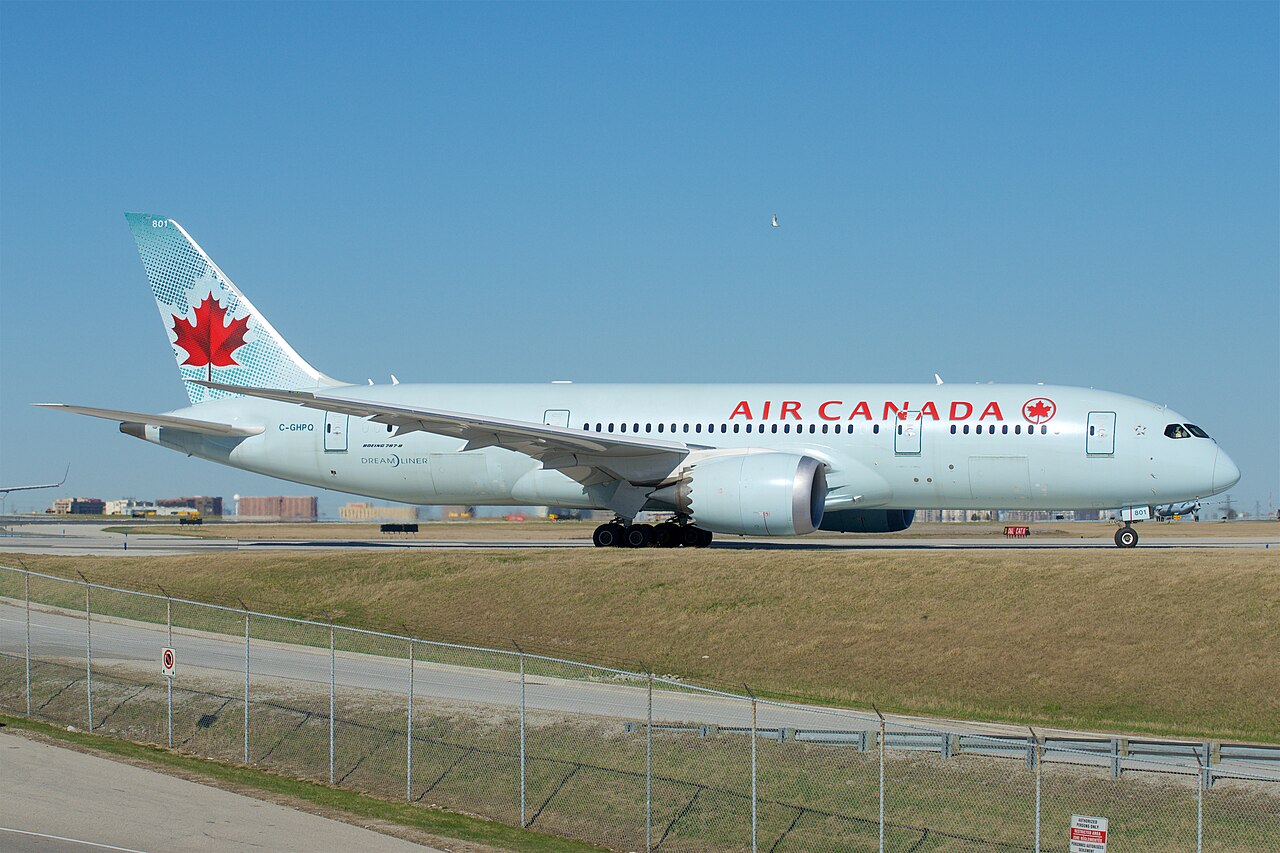
Air Canada has introduced a new policy that allows passengers to carry up to three eligible assistive items for free. This policy covers personal assistive devices, assistive exercise equipment, and equipment used to assist patients in transfer, aiming to provide clearer travel arrangements for passengers with disabilities.

What Does the New Policy Cover?
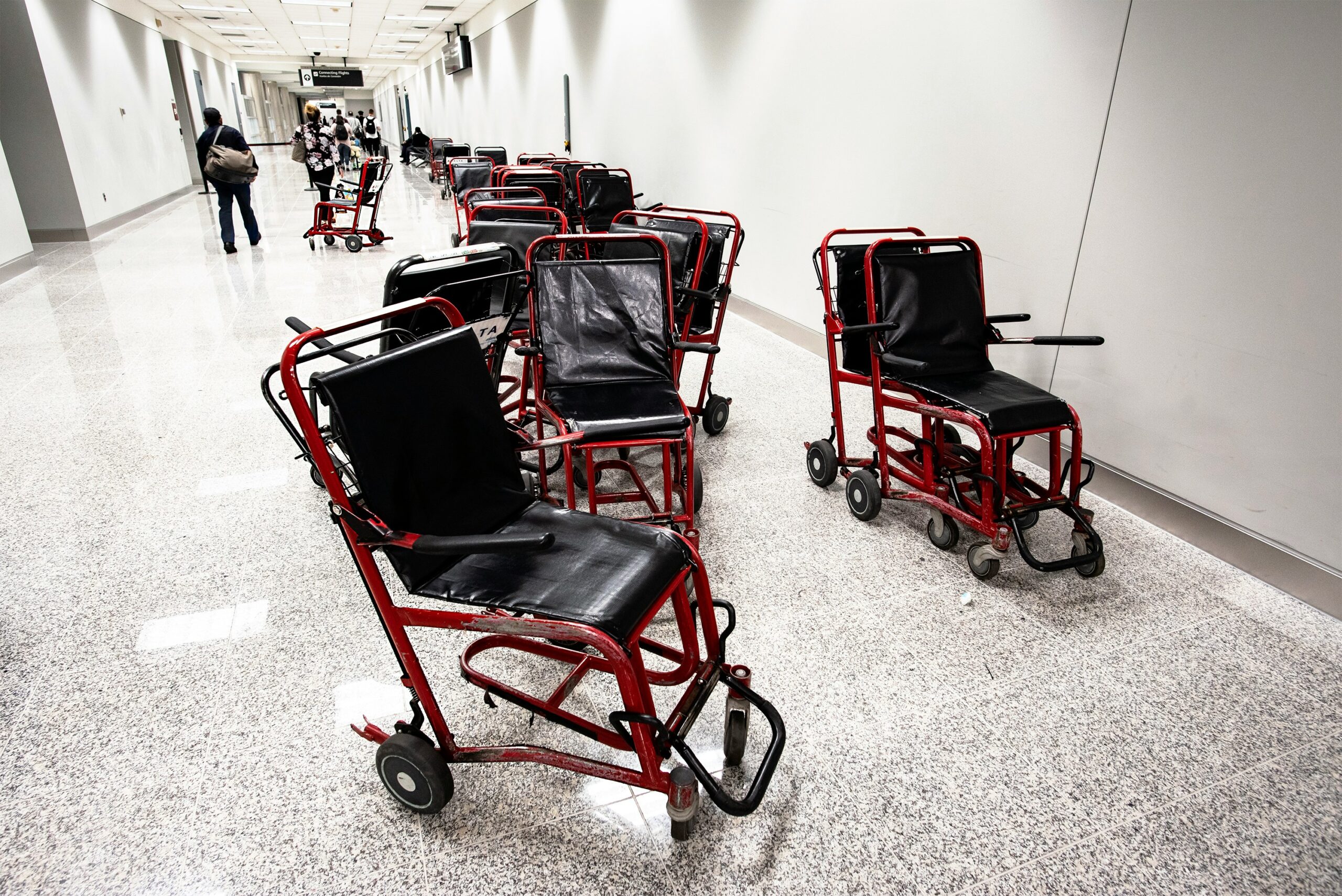
Passengers can carry up to three eligible items for free without incurring additional charges. These items include wheelchairs, scooters, and personal assistive devices, as well as personal or patient transfer devices.
This means, for example, that passengers can carry a wheelchair, transfer device, and one piece of assistive exercise equipment at the same time and enjoy this policy.
This policy applies to passengers travelling for business, leisure or medical reasons, or those participating in adaptive sports. Air Canada states that this adjustment aims to give passengers greater flexibility when deciding which necessary equipment to carry.
For detailed information on the eligible equipment and what to prepare before departure, you can refer to the airline’s mobile assistive devices and assistance page.
Additional Support for Larger Equipment
Some mobile assistive devices may be too large to fit in the cargo hold of an airline flight. According to the new policy, when the trip is within Canada, Air Canada Cargo will transport oversized mobile assistive devices to the passenger’s destination for free.
However, the airline has not yet clarified whether this free freight service is applicable to international routes. Therefore, passengers with large or special equipment should contact Air Canada in advance to confirm whether their equipment can be carried on the aircraft.
Passengers can also use the Air Canada app to check the loading and unloading status of assistive devices. This tracking function provides additional peace of mind for passengers separated from their essential equipment that is crucial for their independent living.
Making Air Travel More Predictable
Carrying assistive devices for travel often requires additional preparations. Passengers may need to provide the airline with information such as the size, weight, battery type, and operation instructions of the assistive device before departure.
By clearly defining the number and types of items that can be carried freely, the new policy enables eligible passengers to have a clearer understanding of the regulations before arriving at the airport. This is particularly valuable for disabled athletes who need daily assistive devices and exercise equipment.
However, passengers still need to confirm the specific requirements of their personal equipment themselves. Electric wheelchairs and other devices may need to comply with specific safety and operation procedures, and the size of the aircraft model also affects the range of items that can be carried on a specific flight.
Would Air Canada’s new policy make air travel more accessible and predictable? Let us know your thoughts in the comments below.