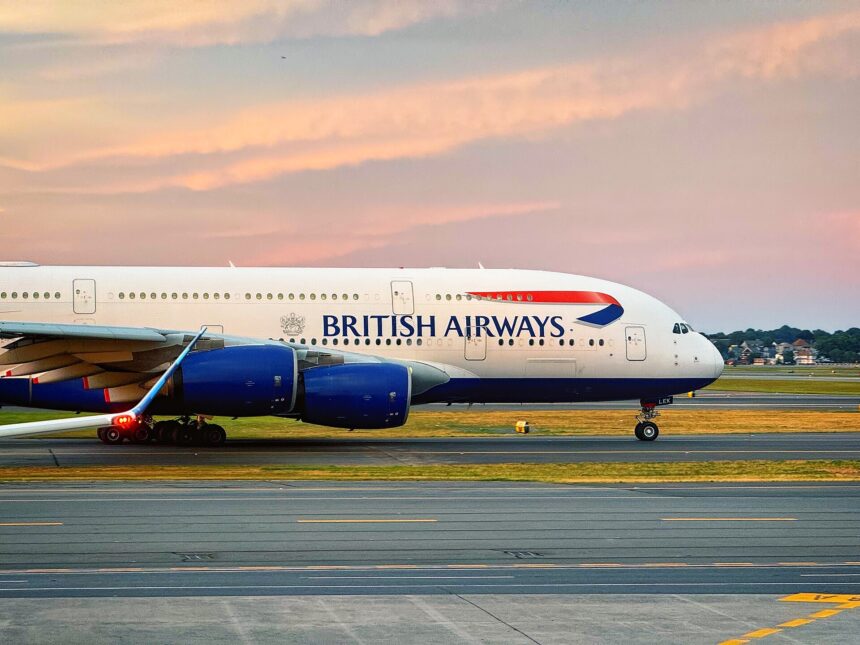
A formal investigation has been launched into a technical malfunction on a British Airways (BA) flight from Düsseldorf Airport (DUS) to London Heathrow (LHR) after an air data systems failure over Canary Wharf caused the aircraft to almost stall at 4,000 feet. The serious incident, which triggered double stall warnings, forced the captain to make a MAYDAY call and physically override controls.
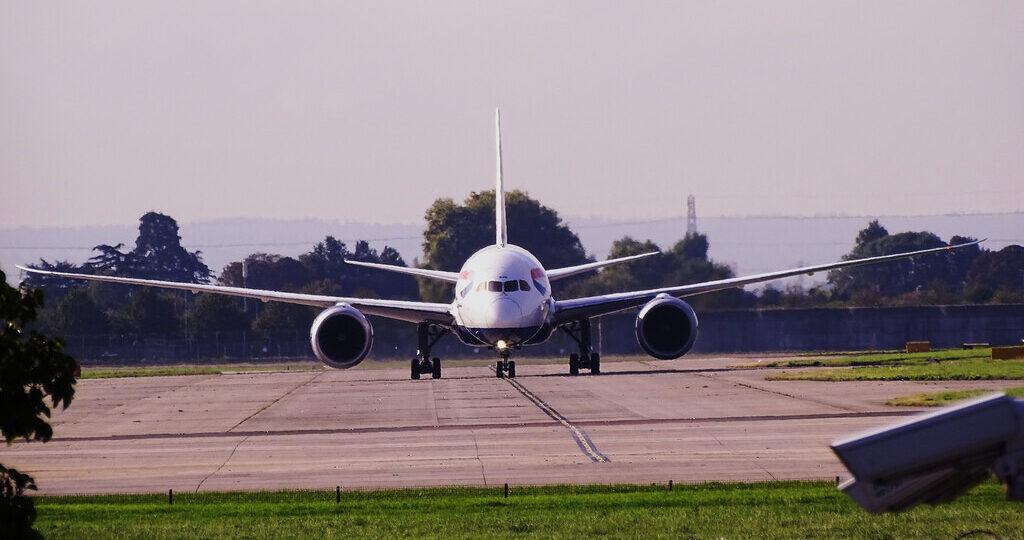
Critical air data malfunction forced pilot to make MAYDAY call
The Air Accidents Investigation Branch (AAIB) is conducting a formal investigation into a ‘Loss of Control In-flight’ involving British Airways Flight BA919 on July 6, 2026. The A320, operating a scheduled passenger service from DUS to LHR, experienced a critical Air Data Reference (ADR) systems failure while descending at 4,000 feet over London’s Canary Wharf.
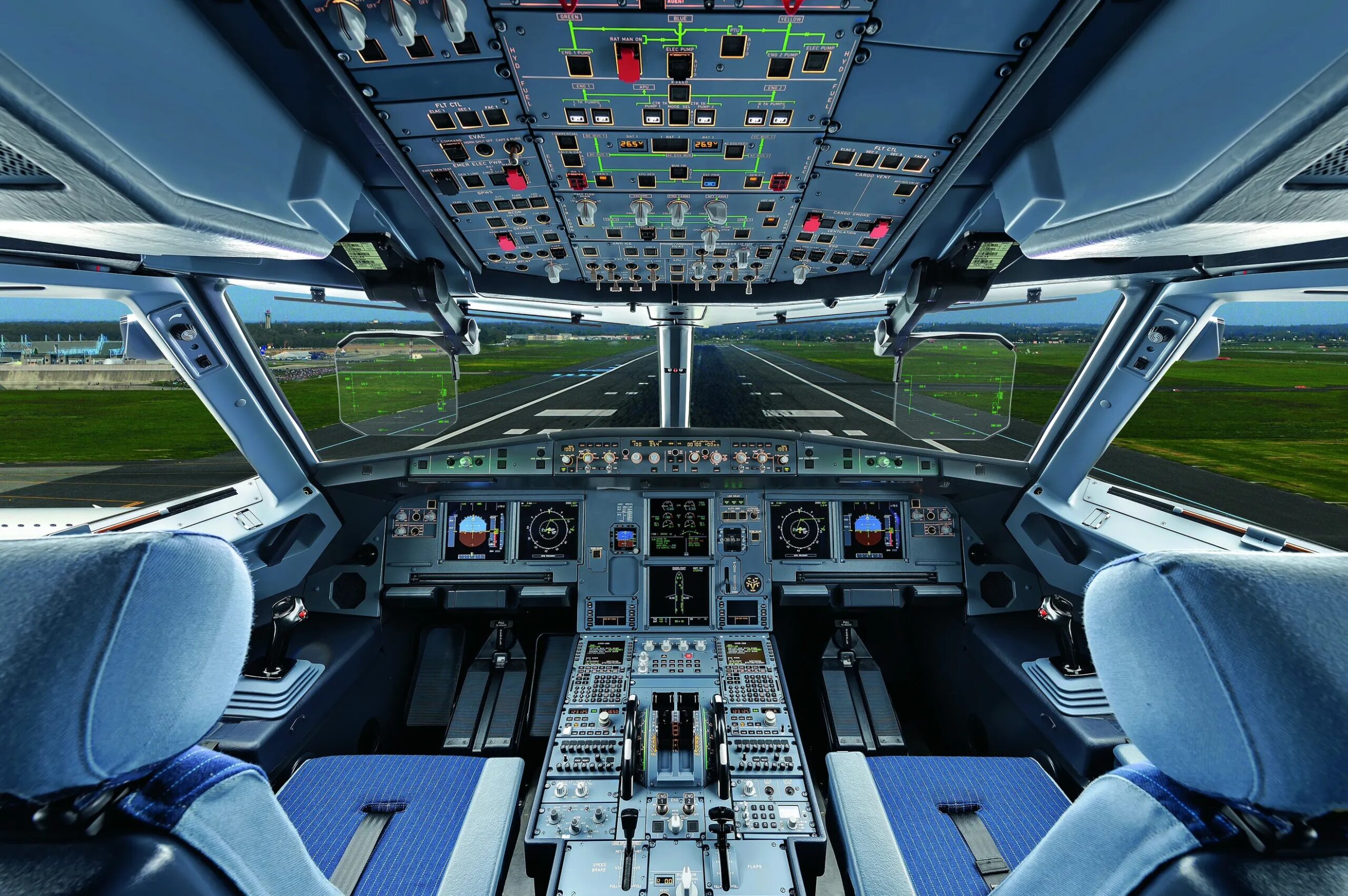
The technical malfunction corrupted primary cockpit flight instruments, triggering an immediate stall warning and forcing the crew to fly the aircraft under alternate law – a degraded flight computer backup mode where the autopilot disconnects and the aircraft’s standard, automated aerodynamic protections are stripped away.
The French Air Safety Investigation Authority (BEA) said:
“During the approach phase, an ADR failure triggered a stall warning; the crew flew the aircraft under alternate law and declared a PAN.”
According to safety records, the flight path became unstable during the second landing attempt when a secondary stall warning sounded at 3,000 feet, accompanied by what investigators describe as a potentially abrupt recovery manoeuvre. A pilot-induced handling error by the first officer prompted the captain to execute a physical override of the control inputs.
The passenger jet plunged to approximately 2,200 feet before the descent was arrested and the flight path was stabilised. Following the manual intervention, the flight crew upgraded their radio transmission to a MAYDAY distress call, landing the aircraft safely at Heathrow approximately half an hour after the initial abort.
Experts highlight how close BA919 came to ground impact
The narrowness of the escape has shocked many in the aviation community, with senior industry figures warning that the flight came close to a ‘hull loss’ – the official term for an accident where an aircraft is destroyed, missing, or damaged beyond repair. Industry sources familiar with the emergency emphasised the extreme danger of the situation, noting that to recover from a stall so low to the ground is highly difficult, and that it is virtually unheard of for a captain to physically intervene in the cockpit.
While British Airways actively assists the AAIB with the ongoing safety probe, the flight’s captain has since been placed on stress leave due to the intensity of the situation. A BA spokesperson stated they are legally unable to comment further at this stage, while the Civil Aviation Authority (CAA) has similarly declined to comment on what it termed an ongoing review.
Safety records indicate that BA has not suffered a hull loss accident since Jan. 17, 2008, when a Boeing 777 flying from Beijing landed short of Heathrow’s runway, skidding into a grassy area before a successful evacuation.
Does an incident like this change how you think about modern flight safety? Let us know in the comments below.