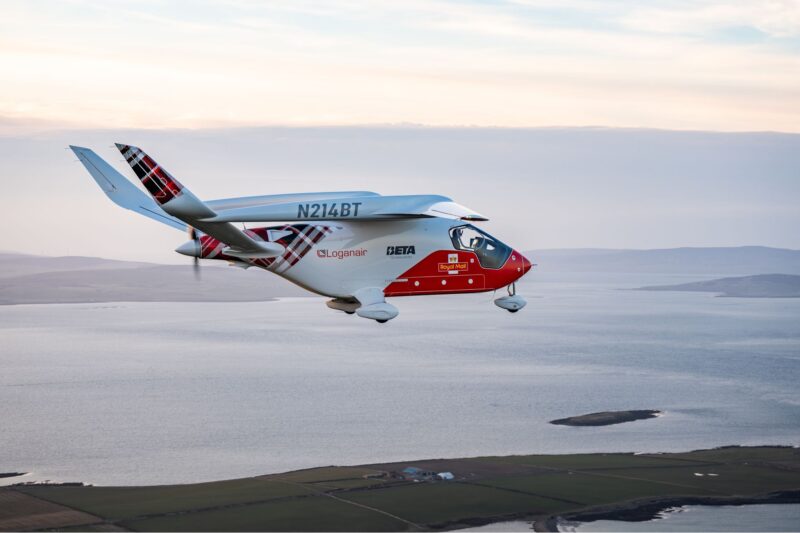
Scotland’s regional carrier Loganair is preparing for a shift as it moves towards becoming Europe’s first commercial airline to operate an all-electric fleet. The airline has purchased five all-electric aircraft, with the option of adding five more, and plans to launch the service in 2029. The announcement, made earlier this week at the Farnborough International Airshow, follows successful demonstration flights and marks another step in Loganair’s push toward low-emission regional aviation.
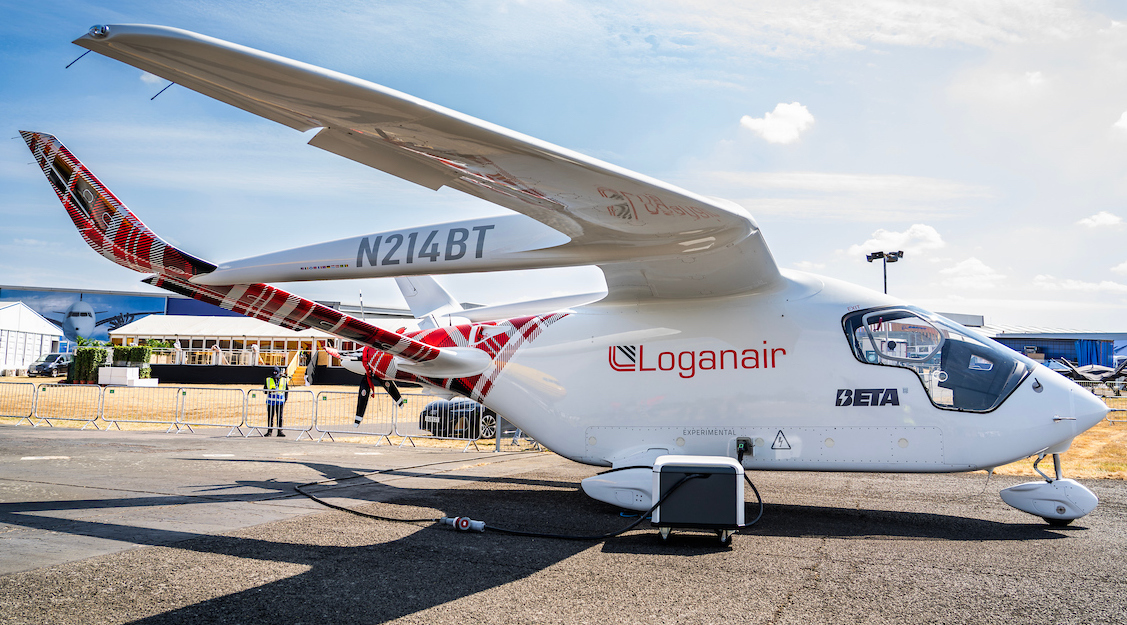
Demo Flights Prove Viability of Electric Operations
Loganair‘s move follows years of collaboration with U.S. manufacturer BETA Technologies, which unveiled its Alia CX300 aircraft in March 2023. In March 2026, the two companies completed a demonstration flight on the Glasgow-Dundee route, later expanding the trials to a series of flights for Royal Mail. Over a 10-day period, the partners operated 23 flights, spanning more than 1,000 nautical miles across the network.
Royal Mail’s Strategic Insight and Innovation Manager, Chris Paxton stated:
“This is an important step towards making electric mail flights a reality for some of the UK’s most remote communities.”
The aircraft boasts a range of 335 nautical miles, making it well suited to Loganair’s short regional routes, most of which are under 90 nautical miles. The planes can operate from existing runways and recharge in 20 to 40 minutes, using fast-charging systems.
Planned routes include the already completed Glasgow to Dundee route, Aberdeen, Inverness, Wick and Orkney, reflecting Loganair’s focus on short‑haul connectivity across Scotland’s regional network.
Loganair claims the aircraft could reduce operating costs by up to 80 percent while delivering zero in-flight emissions. CEO Luke Farajallah commented on the development, saying:
“This is a truly historic moment for Loganair and for European aviation,” adding that the demonstration programme “proved that electric aviation is no longer a future concept, it is a viable commercial opportunity.”
Strengthening Connectivity for Remote Communities
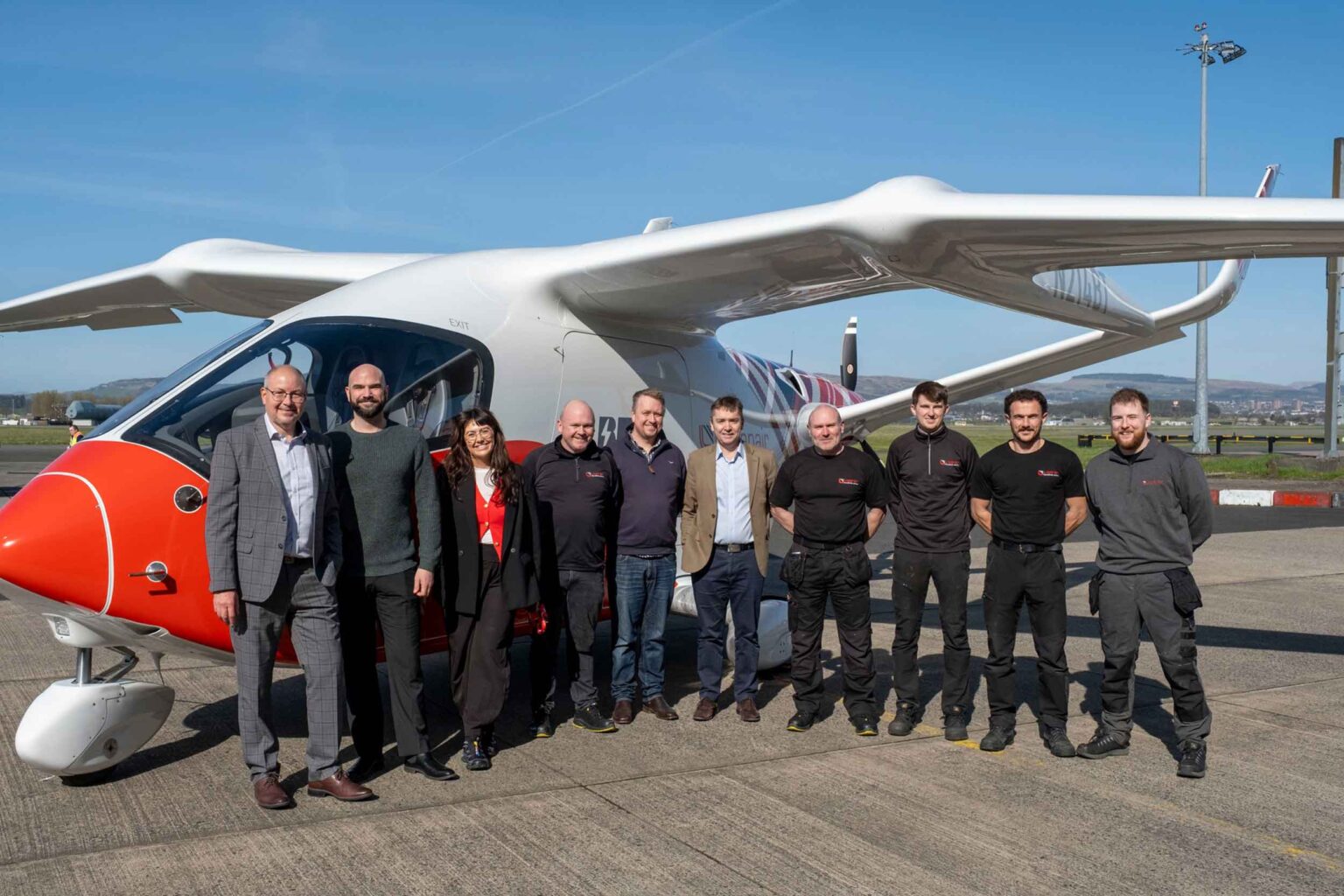
Beyond environmental and economic gains, Loganair emphasises the fleet’s importance for Scotland’s Highland and Island communities, where short-haul flights remain essential for healthcare, education and employment. The new aircraft will support both passenger and cargo operations, maintaining vital regional connectivity.
Amid rising fuel costs and a climate disaster, the airline believes all-electric aircraft could play a central role in the future of regional aviation, offering lower operating costs while also preserving the reliability its customers depend on.
Do you think all-electric aircraft represent the future of the regional aviation industry? Let us know in the comments.