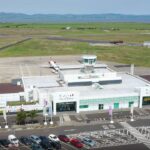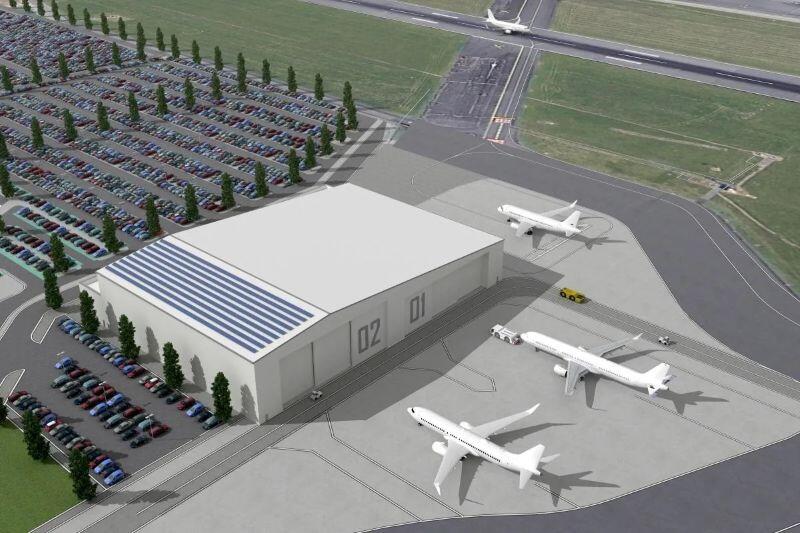
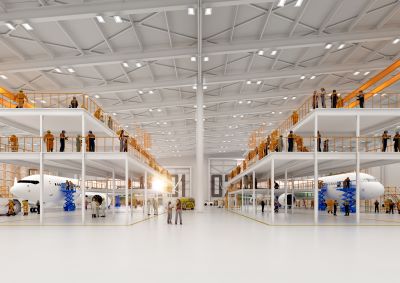
Bristol Airport (BRS) has revealed concept images for its proposed ‘maintenance, repair and overhaul’ (MRO) hangar, which would be the first of its kind in the South West region. The new facility will have the necessary equipment on-site to accommodate overhauls on two commercial aircraft simultaneously. This will reduce unnecessary flights as currently, all Bristol-based aircraft have to fly to other airports.
Planning application
The proposed MRO hangar would be a single-storey building featuring solar panels and roof skylights. It is just one part of the airport’s ongoing and controversial planning application being considered by North Somerset Council. This modernisation application proposes to create 48 aircraft contact stands, in order to reduce passenger travel between the terminal and aircraft, as well as to add travellators between departure lounges and the gates. By the late 2030s, BRS is hoping to accommodate 25% more passengers (from 12 million per annum to 15 million) with new capacity for direct flights to North America, the Caribbean and Middle East.
BRS Chief Executive Dave Lees said:
“The aircraft maintenance, repair and overhaul hangar for aircraft forms a really important part of our growth plans for the next decade. Not only will it require very highly skilled workers, building on our region’s existing strong engineering capability, but it will also provide apprenticeship opportunities for future generations of local people. We’re extremely passionate and proud to be supporting young people who are stepping into employment for the first time and seeking roles in aviation, as well as creating fantastic mid and senior level job opportunities in a region renowned for its incredible aerospace talents.”
Aviation industry giants
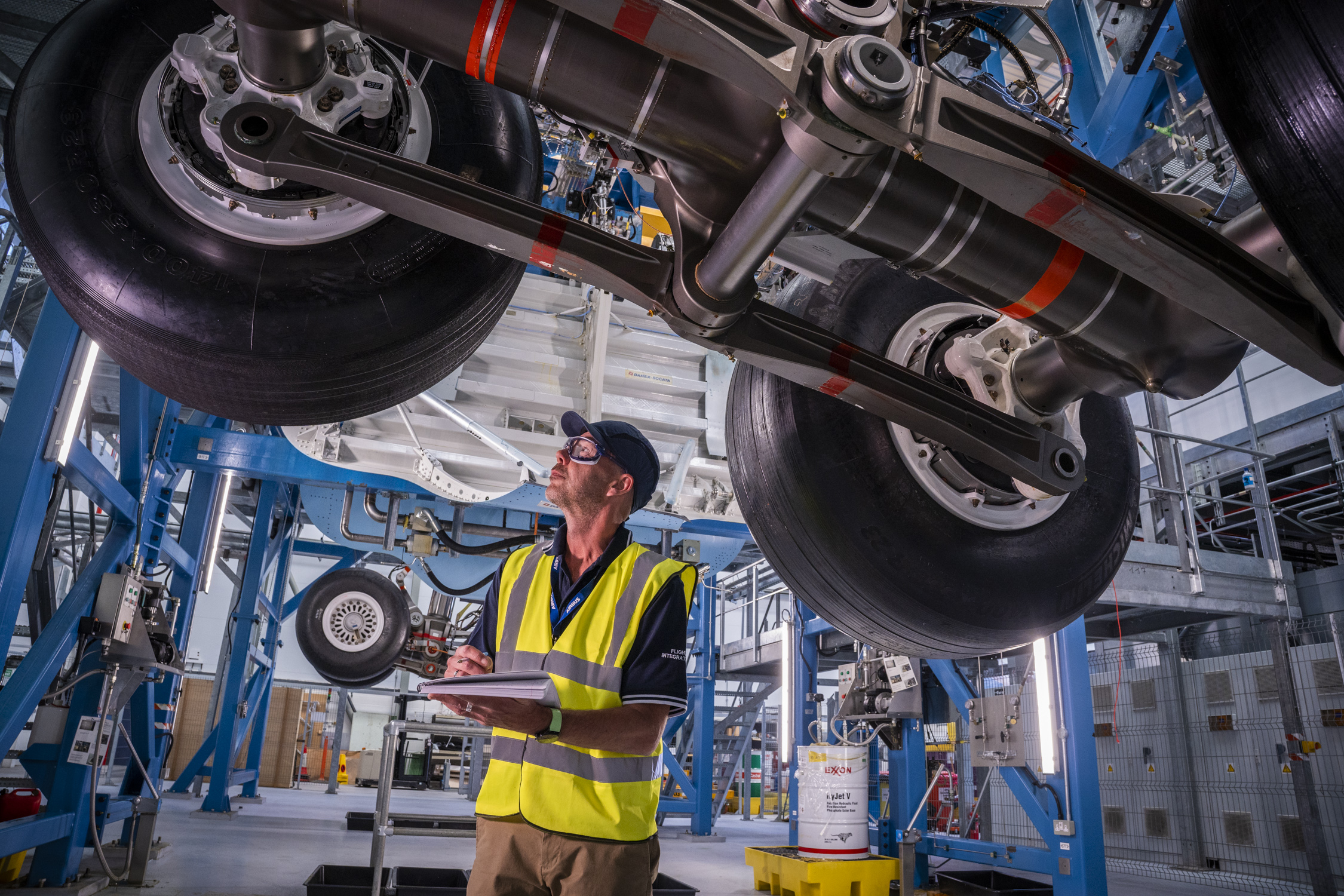
Bristol Airport highlight that they are the area’s largest private employer with over 5,800 people employed on-site. It is not the only Bristol-based aviation employer however, as nearby, in Filton, Airbus say they are ‘home to Northern Europe’s largest concentration of aerospace engineers’. Bristol also hosts GKN Aerospace’s ‘largest advanced aerostructures facility’ site as well as Rolls-Royce’s aerospace division. Vertical Aerospace chooses to house its headquarters in the city and is developing pioneering electric vertical takeoff and landing (eVTOL) aircraft.
Bristol also has a rich aviation history. The British and Colonial Aeroplane Company (later known as the Bristol Aeroplane Company) was founded here in 1910 and later produced World War I aircraft such as the Bristol F.2 Fighter. Bristol’s Filton Airfield was also one of supersonic jet Concorde’s key construction sites. This iconic aircraft that could cross the Atlantic in less than four hours was first flown in 1969 and eventually retired in 2003. One of the last of its kind of aircraft produced, Concorde Alpha Foxtrot can still be visited at award-winning aviation museum Aerospace Bristol.
Filton’s Advanced Manufacturing Technical College (AMTAC), is reported by owners Weston College Group to be one of only four in England. Graduates stand to benefit from so many relevant local employers and if Bristol Airport’s MRO hangar plans do go ahead, they could find themselves working on site on operational commercial aircraft.
Do you support Bristol Airport’s expansion plans which could provide more jobs? Or do you feel the regional airport is large enough? Let us know in the comments below.