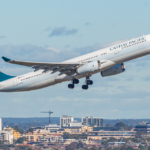
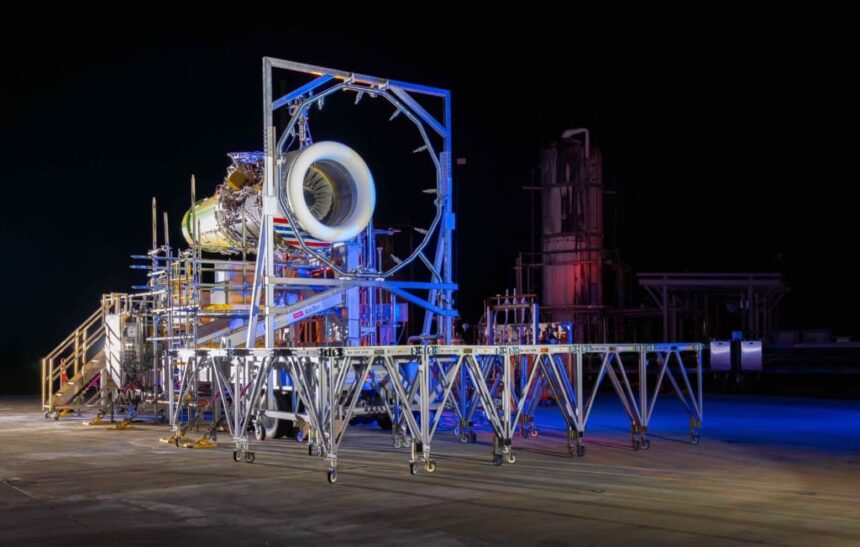
Together, Rolls-Royce and easyJet have conducted tests on a hydrogen-powered engine. Both companies are committed to advance hydrogen research, as this could be the future of the aviation industry.
History of the Program
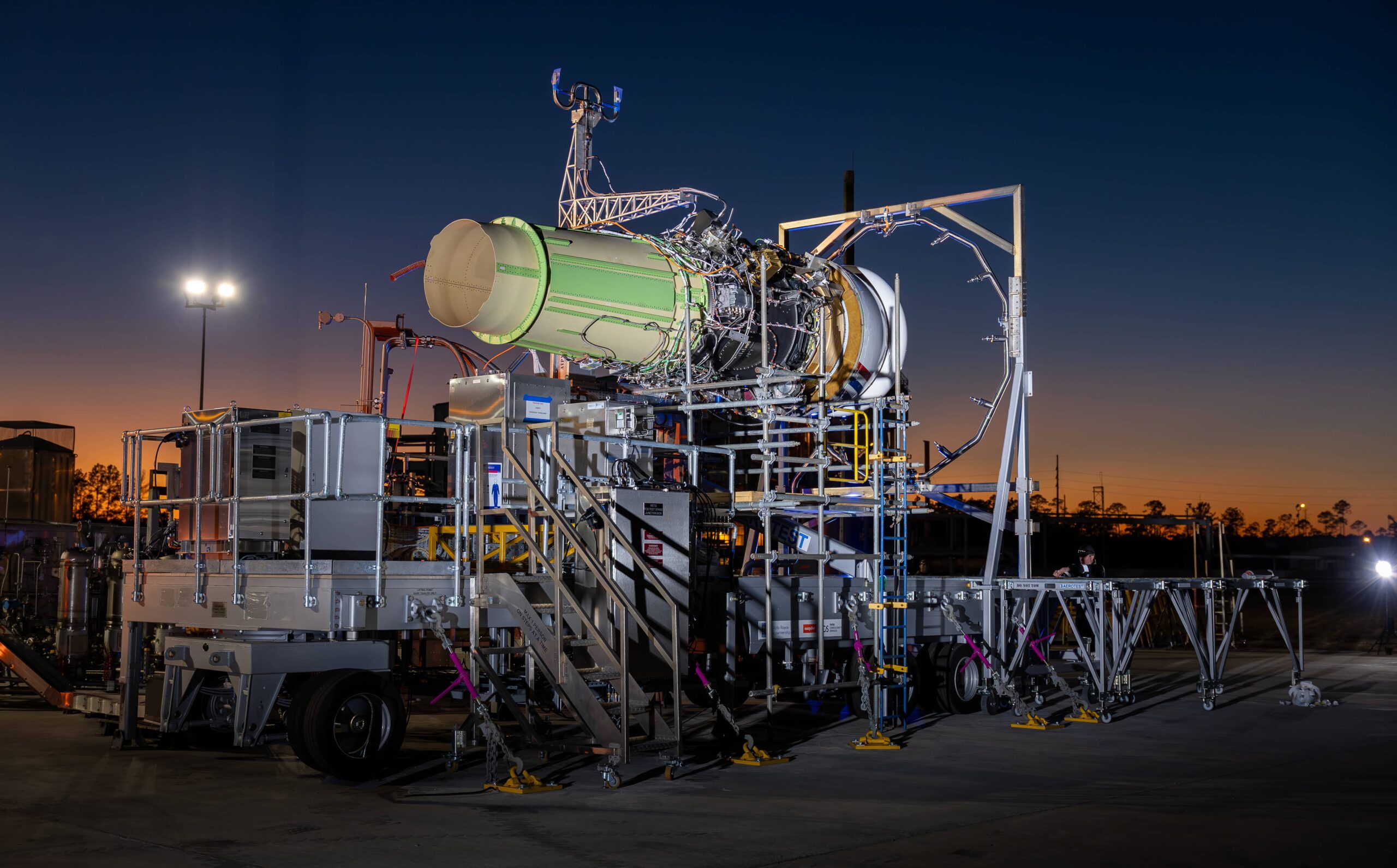
This program started in 2022, after the companies decided to develop improved sustainable technology within the aviation sector. That same year the companies ran a modern aero engine 100% on environmentally friendly hydrogen, the Rolls-Royce AE2100. The tests were conducted at Boscombe Down, in the UK.
In 2023, the research advanced even further. At the German Aerospace Centre (DLR) in Cologne, a Rolls-Royce Pearl engine full annular combustor was fully operated with hydrogen. This proved that, at the take off thrust, hydrogen can combust.
Overall, the main reason for the program is to find a solution, or at least diminish, the outstanding amount of carbon emissions that originate from aviation.
Current Phase of the Program
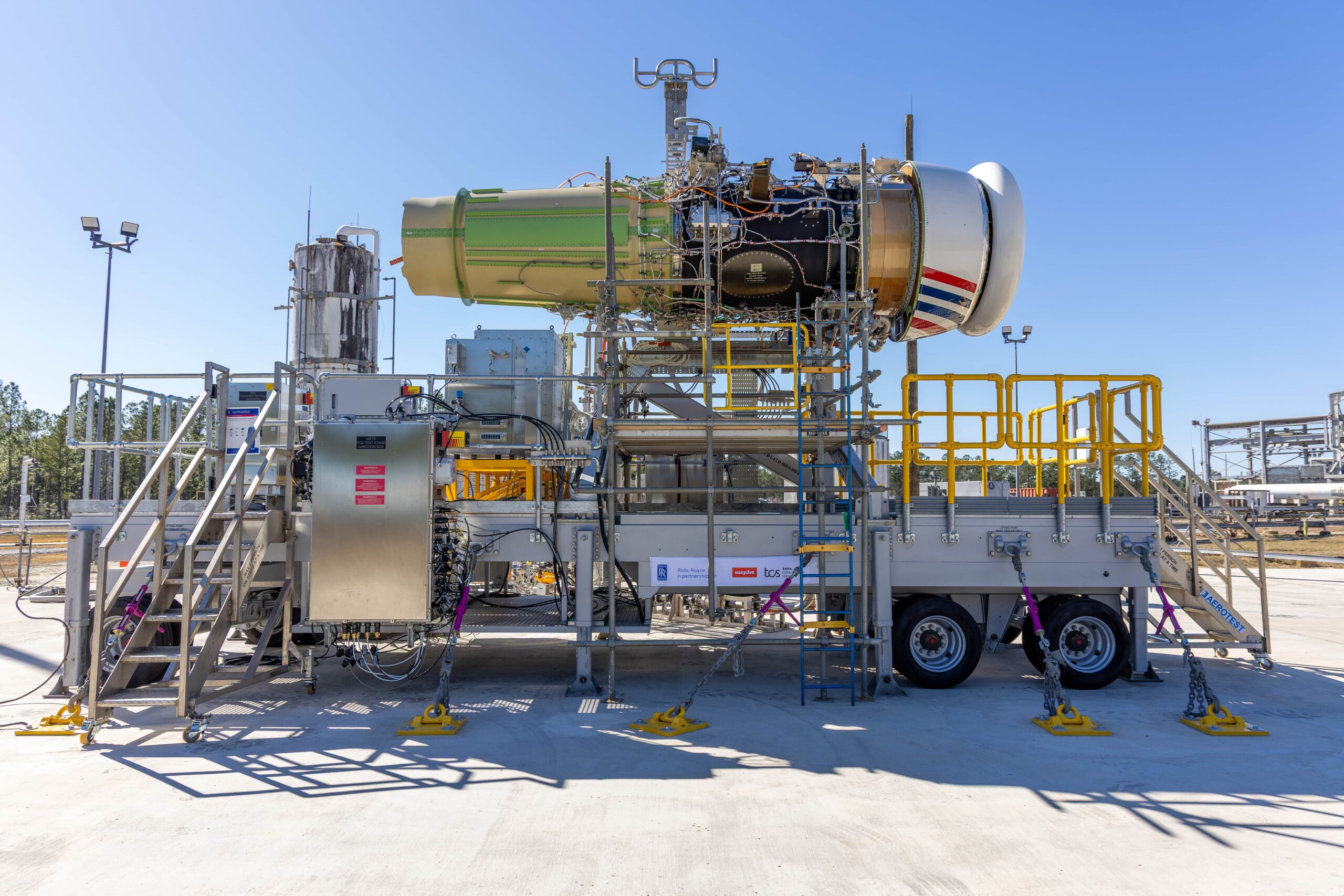
After conducting test at the NASA Stennis Space Centre, Rolls-Royce and easyJet are one step closer to turning aviation fuel into a sustainable technology. A modified version of the aircraft engine Pearl 15 effectively reached full takeoff power using hydrogen as fuel. The test showcased that this may be sufficient to narrow-body aircraft.
David Morgan, easyJet’s CEO, has expressed happiness with the path the program has been following, stating that:
“demonstrating 100% hydrogen operation at scale is a significant milestone and marks an important step towards easyJet’s net zero ambition, supporting the long-term transition to more sustainable aviation.”
The scheme’s next steps have not been disclosed to the public. Nonetheless, from the presented evidence, one may be excited for what the future of this partnership has to offer.
What’s your opinion on hydrogen-powered engines? Would they be an effective solution against carbon emissions? Let us know your thoughts in the comments below.