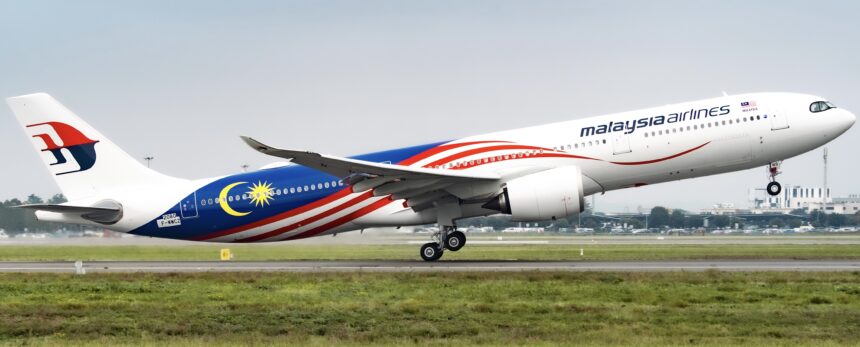
Data from the UK’s Civil Aviation Authority (CAA) shows the route between London Heathrow Airport (LHR) and Kuala Lumpur International Airport (KUL) has grown quicker than any other major UK flight path. The route between London Gatwick Airport (LGW) and Shanghai Pudong International Airport (PVG) was second on the list, showing a widespread growth in travel to and from the Far East.
Many Middle Eastern routes saw their passenger numbers fall, however, due to the ongoing conflict in Iran.
What the Data Shows
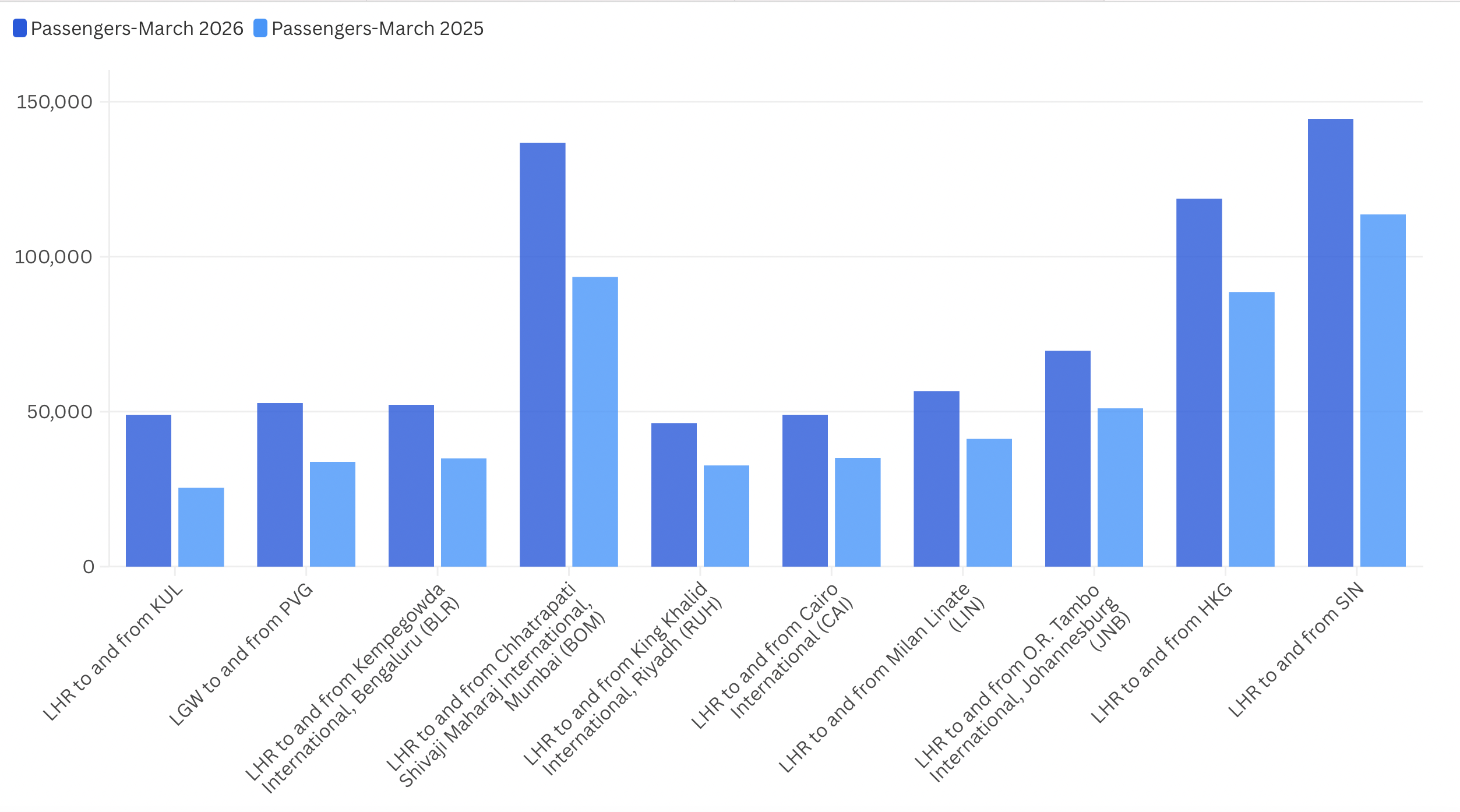
The CAA’s monthly data bulletin compares the total number of passengers travelling between two airports each month with the number of passengers travelling between the same two airports in the same month of the previous year.
Of the 100 most travelled routes in March 2026 (the latest edition of the dataset), the route between LHR and KUL, which is operated by five different airlines, including British Airways, experienced the proportionally largest rise in passengers compared to March 2025. Travel on the route increased by 92.7% year on year, to 49,011 passengers per month.
The LHR and KUL route was joined in the list of the top ten fastest-growing major routes by flights between LGW and PVG, as well as those between LHR and Hong Kong International Airport (HKG) and Changi Airport, Singapore (SIN).
The rapid growth experienced by several Far Eastern connections suggests British tourists are increasingly viewing it as an alternative to traditional tourist hot spots such as the Mediterranean and the East Coast of the USA.
Why Have Far Eastern Flights Become More Popular?
The rising numbers of travellers to the Far East are a continuation of a trend that has seen tourism rates steadily grow in the region since the end of the Covid-19 pandemic.
This has partially been due to the growth of a network of routes around Malaysia, as well as the efforts from national tourism boards to make travel to the region easier.
This includes the introduction of the Malaysia Digital Arrival Card (MDAC) in 2024. An MDAC allows a traveller to visit Malaysia for up to 90 days without the need for a visa, streamlining the process of booking and planning a holiday.
The Association of Southeast Asian Nations (ASEAN) also announced its five-year tourism in January, with a key emphasis on raising service standards across the sector.
ASEAN also hopes that the plan can improve the tourism sector’s resilience to external shocks, such as climate change. This is partially in response to the severe loss of tourism income across the region during the pandemic, which experts suggest cost Southeast Asian countries roughly 8.4% of their GDP in 2021 alone.
The Decline of Middle Eastern Tourism
While flights to and from the Far East may be some of the fastest-growing routes for British flyers, flights between LHR and John F. Kennedy International Airport, New York (JFK), are the most popular overall. According to the CAA, 239,445 passengers flew between the airports in March.
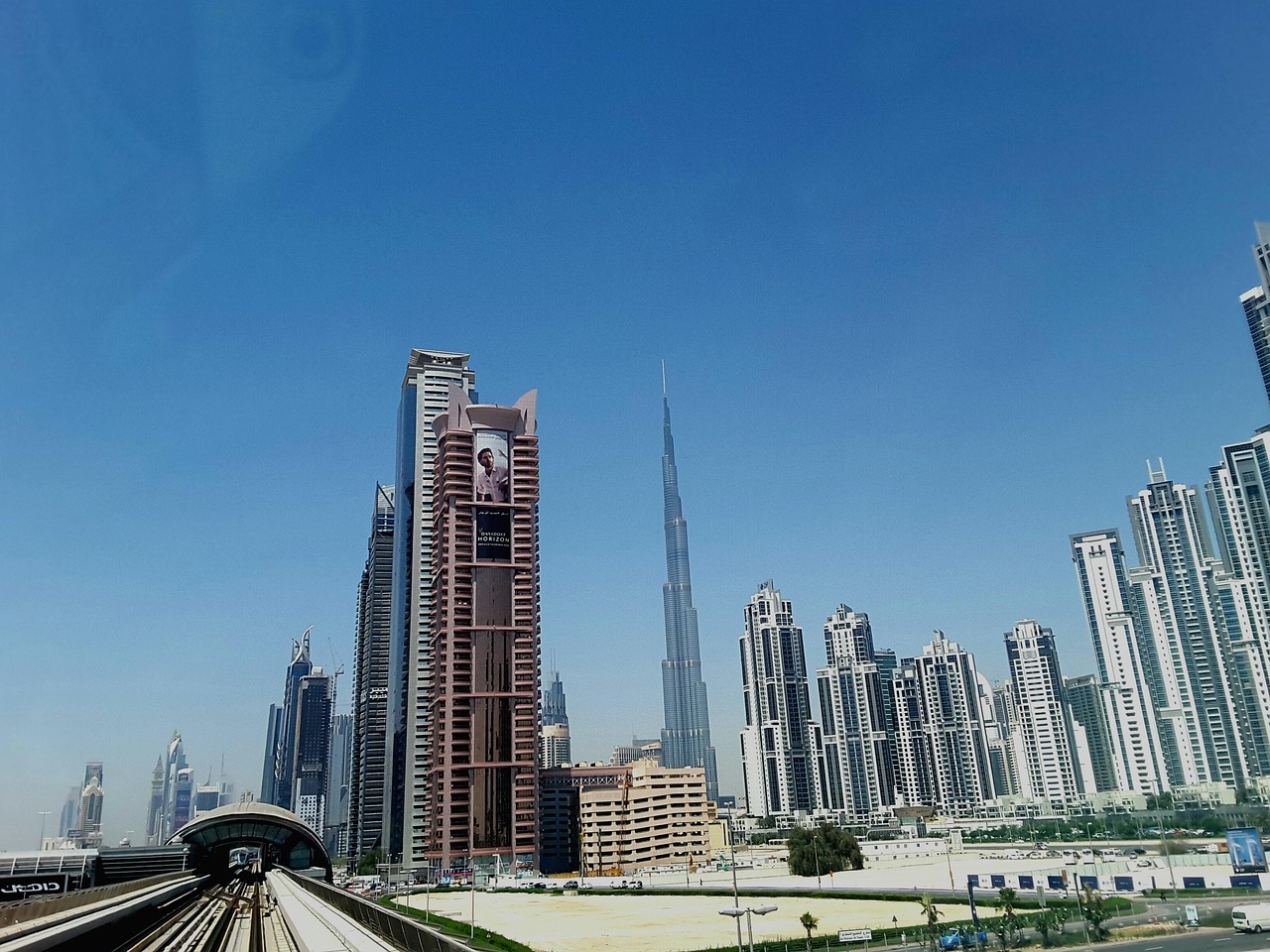
This connection takes the top spot from the LHR to and from Dubai International Airport (DXB) route, which had the most passengers of any route in both January and February this year.
The LHR and DXB route experienced a 53.8% fall in passengers in March 2026 compared to March 2025, partially due to safety fears among British fliers amid the ongoing conflict in Iran.
This pattern is reflected in data from the United Nations Tourism Agency, which says that tourism across the Middle East was 14% lower in the first quarter of 2026 compared to the first quarter of 2025. This is despite global tourism rates rising 2% over the same period.
It may not be until a permanent peace settlement is reached that travellers’ confidence in the region’s safety is restored to where it was before the conflict broke out on Feb. 28.
Are you planning to fly to the Far East soon? Has the Iran conflict affected your travel plans? Let us know in the comments.