
The German government aims to launch a 15-year aviation strategy, on June 10, to cut costs and to become sustainable, safe and competitive in the aviation industry. Defense Minister Boris Pistorius states that the strategy will take both civilian and military aspects in account.
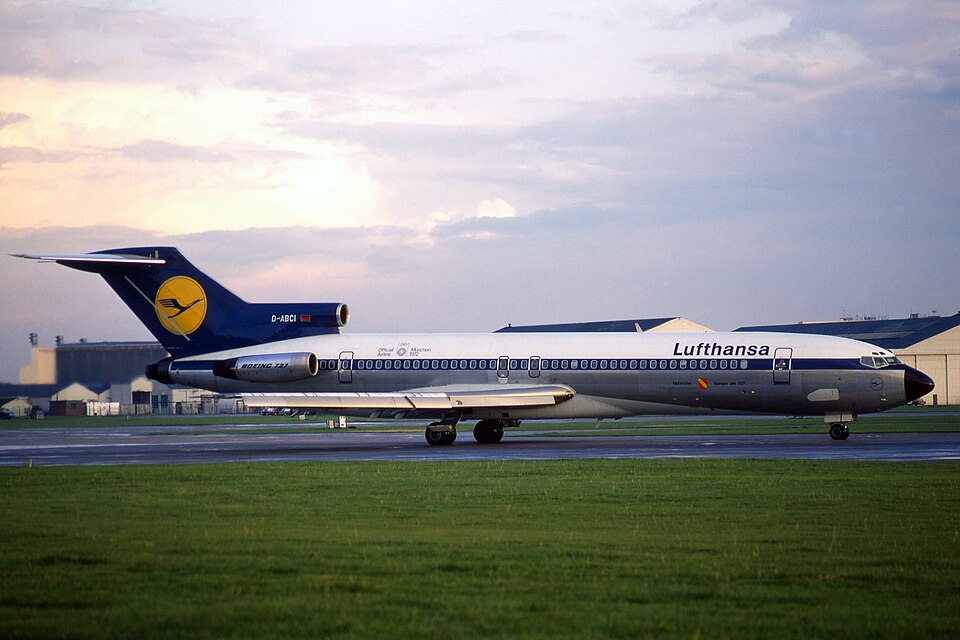
15-Year Plan for Germany’s Aviation Sector
The Transport Minister, Patrick Schnieder, stated:
“We are now setting the course to strengthen Germany’s position as an aviation hub in international competition, our aviation industry is in better shape than ever, with 19% growth last year and a record 130,000 employees.”
The strategy aims to establish a framework for civil and military aviation, by creating planning for policymakers.
The planning includes short and medium term measures to achieve a target vision within the next 15 years. Preparing for the industry’s future crises and making aviation more climate-friendly and environmentally sustainable. The market rapidly trying to ramp-up sustainable aviation fuels (SAF) is considered crucial for achieving climate goals.
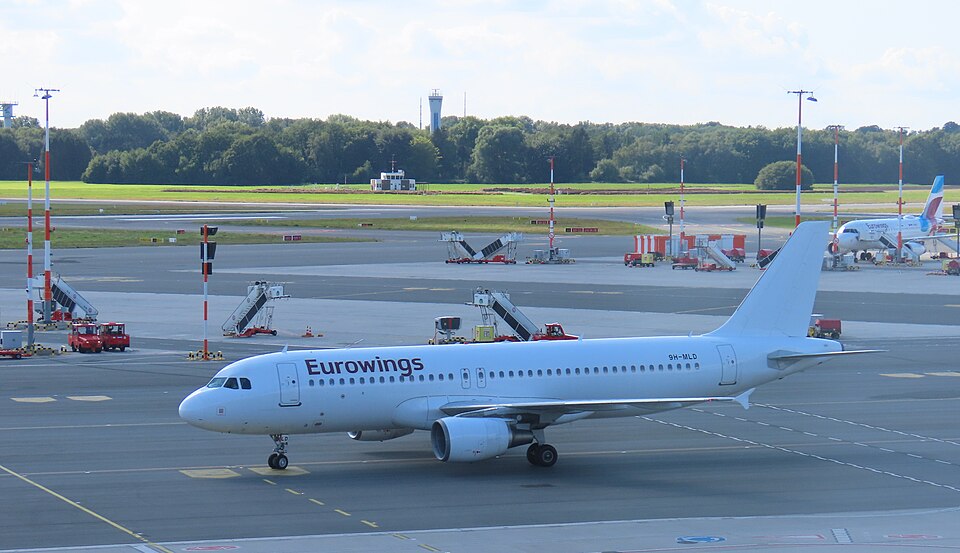
Government Targets 19 Airports to Increase Competitiveness
The plan also indicates Germany’s aviation has faced challenges in the past:
“Passenger numbers have been developing below average compared to other European countries for several years now.”
The reason given was due to the rising costs, a strained overall economic environment, growing international competition and threats to geopolitical tensions.
The German Aviation Association (BDL) criticised the lack of strategy beyond the necessary guiding principles. The BDL commented that necessary cost reduction are needed:
“To ensure the connectivity of business locations to international hubs.”
There has been criticism from airlines on the locations of hubs across Germany, to tackle this the Government aims to implement 19 measures to improve the connectivity and competitiveness of German Airports.
Interested in the improvements being made for Germany’s Aviation Industry? Follow us for more aviation news at Travel Radar.