
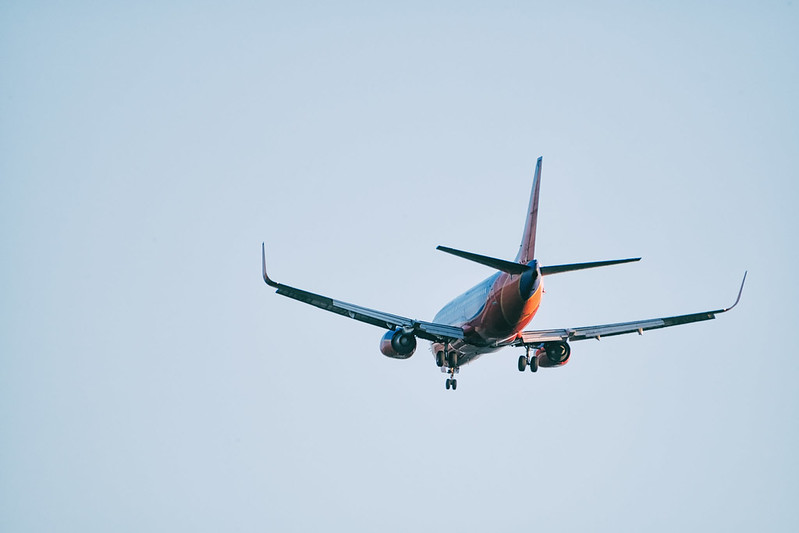
Europe remains one of the world’s most popular regions for short-haul travel, with travellers increasingly seeking destinations that combine culture, affordability, and convenient flight access. According to travel editors at The Times, 2026 is shaping up to be a strong year for city breaks, driven largely by expanding air connections between major European hubs and emerging destinations.
Growing air connections reshape European travel
One of the key themes highlighted in The Times’ recommendations is the growing popularity of “second cities” — smaller or less-visited urban destinations that offer a more relaxed alternative to overcrowded capitals while remaining easily accessible by air.
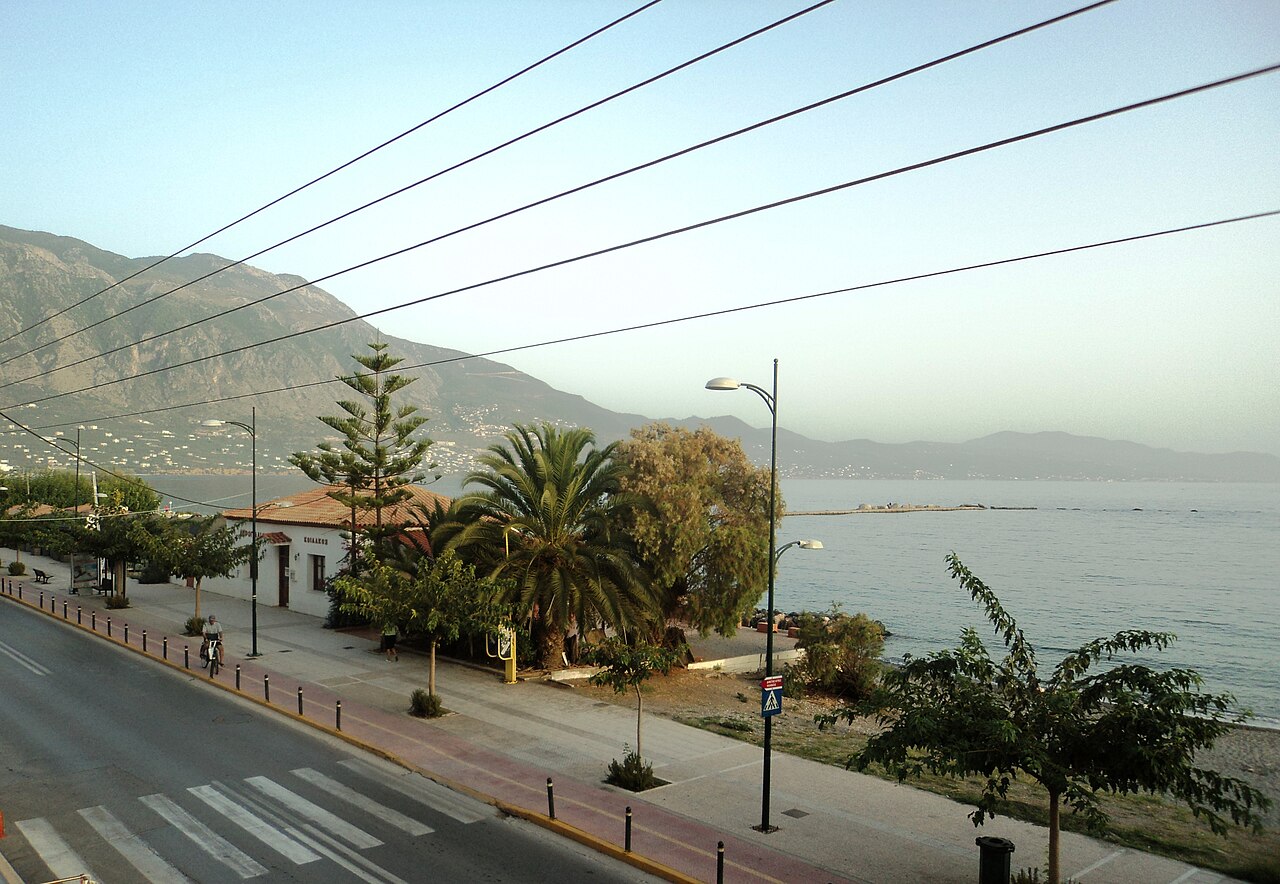
Cities such as Kalamata in Greece and Lyon in France are attracting more visitors thanks to increased airline capacity, seasonal direct flights, and airport expansion projects. Kalamata, in particular, has seen growing international connectivity in recent years as airlines continue adding summer routes from the UK and other European markets.
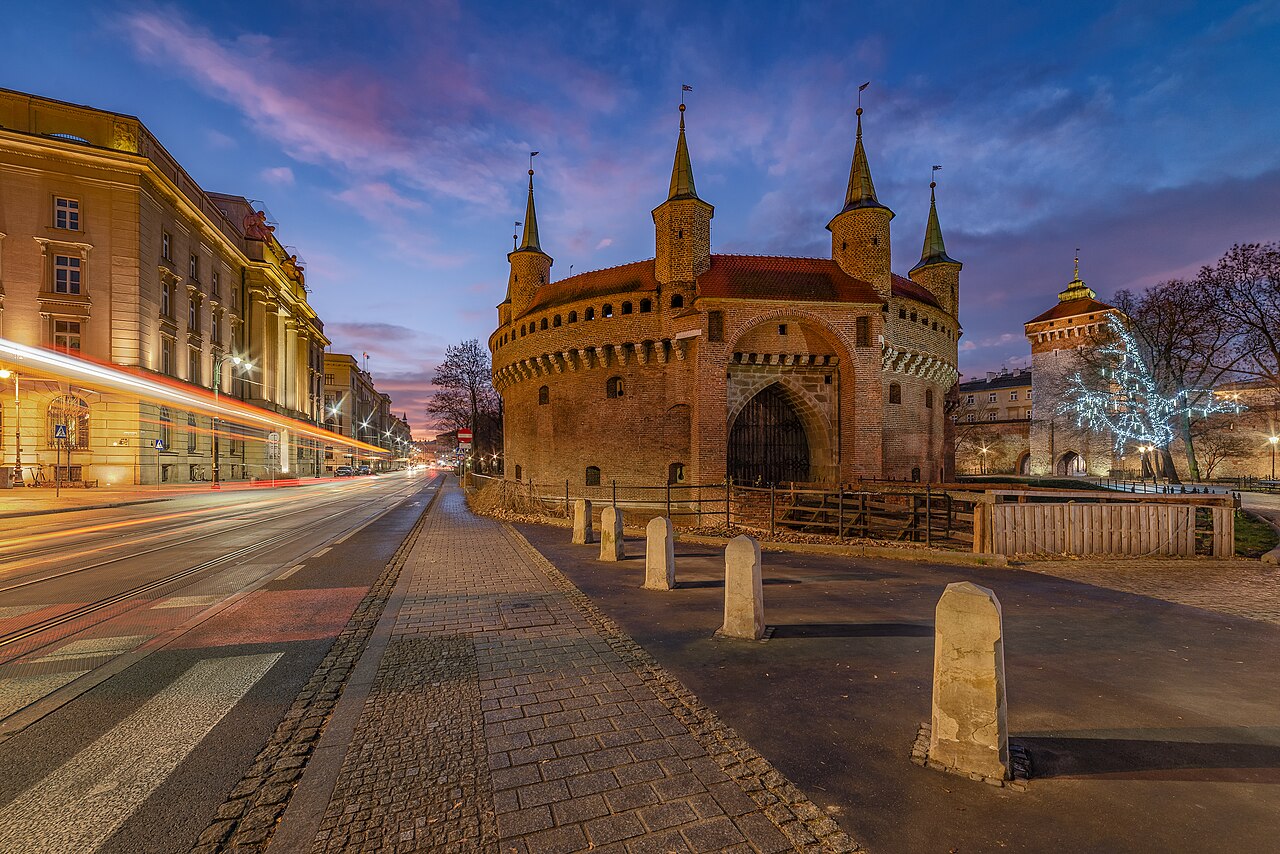
Eastern European destinations are also benefiting from stronger air links and the continued expansion of low-cost carriers. Cities including Warsaw, Kraków, and Riga are becoming increasingly attractive for short-haul travellers due to the affordability and availability of direct flights from major European airports.
Kraków hotel prices average 60 to 110 euros per night, compared with 150 euros or more in many Western European capitals during the summer peak season. Riga also continues to rank among the most affordable EU capitals, with average daily tourist budgets often ranging from 70 to 100 euros.
Mediterranean destinations remain dominant
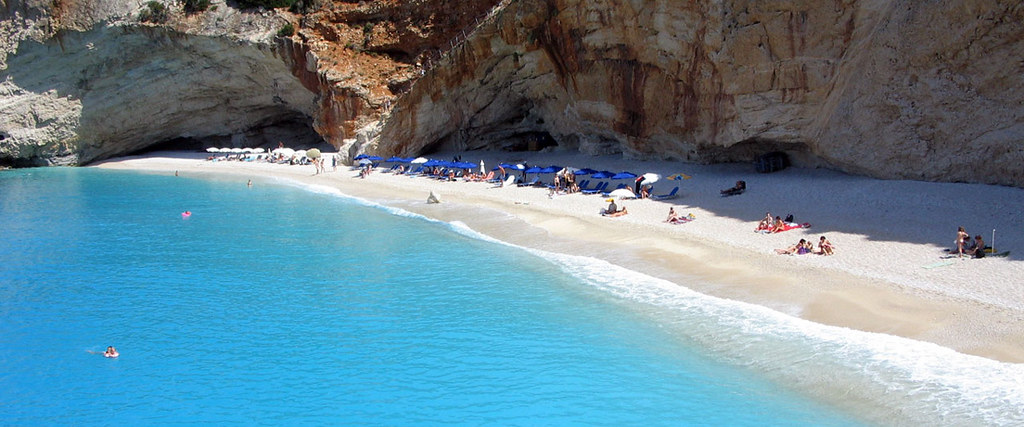
Southern Europe continues to perform strongly during the summer season, particularly destinations along the Mediterranean coast. Greek and Spanish cities remain popular thanks to the beaches, historic centres, and well-connected airports that support high volumes of short-haul traffic during peak months.
However, recent travel recommendations suggest a shift away from heavily crowded islands and toward mainland coastal cities and secondary urban destinations with easier airport access and fewer capacity pressures.
According to recent travel data from the European Travel Commission and Euronews, travellers are increasingly prioritising destinations that offer both value and convenient transport connections. Flight availability, shorter travel times, and competitive airline pricing are now among the main factors influencing summer holiday decisions.
Why city breaks continue to grow
City breaks remain one of the most flexible travel options for UK and European tourists. Frequent flight schedules, competitive fares from low-cost airlines, and shorter journey times continue to make multi-day urban trips highly attractive for summer travel.
Travel analysts and Eurostat data also show that improved rail connections across Europe are complementing air travel, making multi-city itineraries easier to plan and more appealing to travellers seeking flexible holiday experiences.
Whether choosing a major capital such as Paris or an emerging destination in Eastern Europe, travellers in 2026 are increasingly prioritising value, convenience, and accessibility. With airlines continuing to expand regional routes across the continent, Europe’s city break market is expected to remain one of the strongest sectors in short-haul travel this summer.
What do you think about these emerging European city-break destinations? Let us know in the comments below.