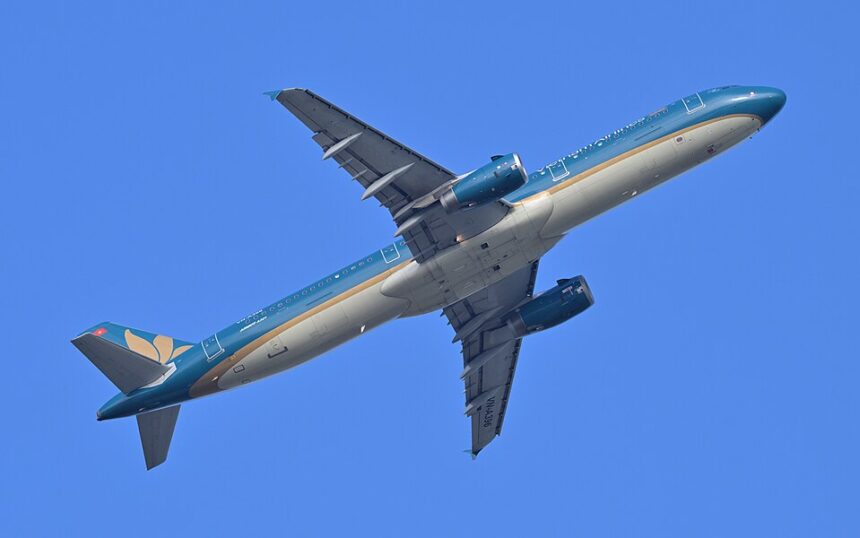
Vietnam is preparing to make one of the biggest changes to its aviation investment rules in recent years, with plans to increase the foreign ownership cap in domestic airlines from 34% to 49%. The proposal comes as airlines across the country continue battling rising fuel prices, operational pressures, and uncertainty caused by ongoing instability in the Middle East.

Vietnam Opens Door to More Foreign Investment
The Vietnamese government says the move could help airlines attract international investment and strengthen long-term growth, while critics warn it may increase foreign influence in a strategically important industry. The proposal arrives at a difficult time for carriers already adjusting operations to cope with soaring jet fuel costs.
Vietnam’s Ministry of Construction has proposed raising the maximum foreign ownership limit in domestic airlines to 49%, bringing the country more closely in line with aviation markets such as Singapore, Thailand, and Australia. Officials say the increase would give airlines greater access to overseas capital, advanced technologies, and international management expertise. The government also believes the policy could help airlines improve financial resilience while continuing ambitious expansion plans.
Despite the proposed increase, Vietnamese investors would still maintain majority ownership and overall control of the airlines. Authorities stressed that the changes are intended to provide additional flexibility rather than hand control to foreign companies.
The proposal is particularly significant given Vietnam’s rapidly growing aviation market. Strong tourism demand and a growing middle class have helped drive passenger growth in recent years, making the country an increasingly attractive destination for aviation investment. However, reports suggest some major domestic airlines have expressed reservations about increasing the ownership cap, highlighting ongoing debate over the balance between investment opportunities and national control.

Fuel Prices Continue to Disrupt Airline Operations
The ownership proposal comes as airlines across Asia-Pacific continue struggling with sharp increases in jet fuel prices linked to instability in the Middle East. Vietnamese carriers have already begun adjusting schedules and reducing operations in response to rising costs and concerns over fuel supplies. Authorities recently warned that airlines may need to continue optimising operations if market conditions remain volatile.
Vietnam has been particularly exposed to the crisis due to its reliance on imported jet fuel. Earlier this year, regional supply restrictions raised concerns about potential shortages, placing additional pressure on airlines already managing high operating costs. Industry reports suggest jet fuel prices have surged dramatically since the beginning of the crisis, forcing airlines across the region to review routes, delay expansion plans, and introduce wider cost-saving measures.
For Vietnam’s airlines, the ability to attract additional foreign investment could become increasingly important as carriers attempt to modernise fleets, maintain profitability, and recover from ongoing financial pressures. Vietnam’s proposed increase to foreign airline ownership limits could represent a major turning point for the country’s aviation sector. While the policy may help airlines secure crucial investment during a challenging economic period, it also raises wider questions about foreign involvement in national aviation infrastructure.
As fuel prices continue to fluctuate and operational costs remain high, Vietnam’s airlines face growing pressure to balance expansion ambitions with financial stability. If approved, the reforms could reshape the future of one of Southeast Asia’s fastest-growing aviation markets.
What do you think about Vietnam’s proposed investment reforms? Could foreign investment help strengthen the country’s airlines, or should Vietnam keep tighter control of its aviation sector? Let us know in the comments.