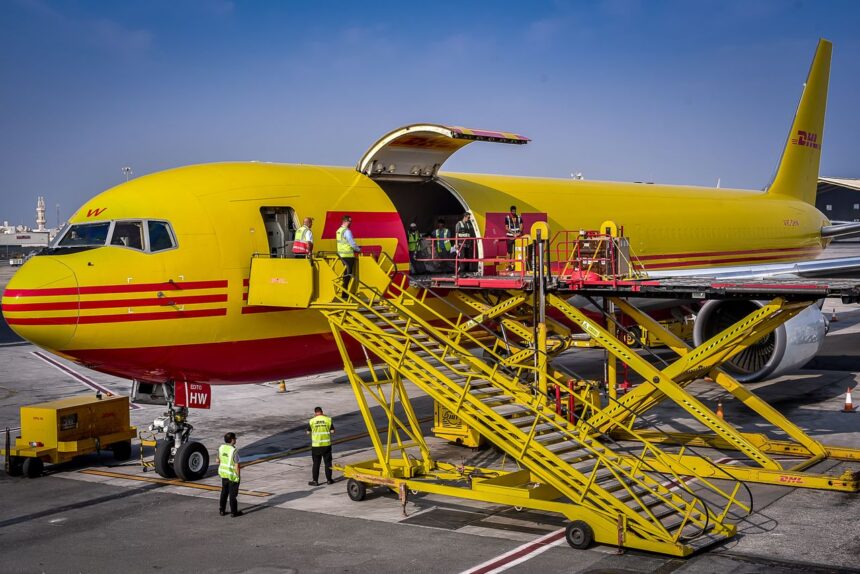
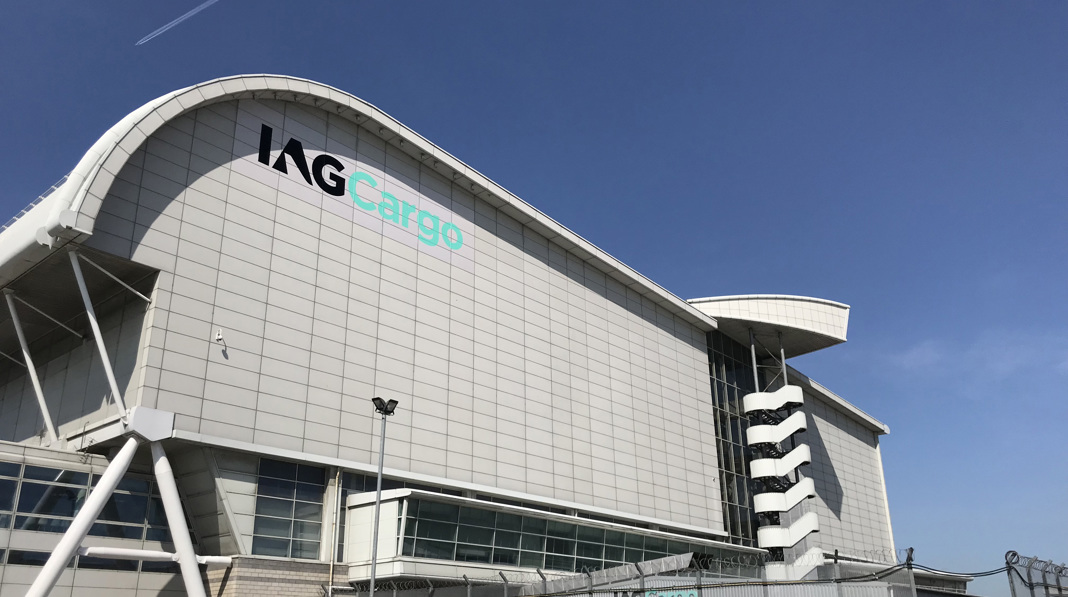
DHL Group has expanded its sustainable aviation fuel (SAF) partnership with IAG Cargo, signing a new five-year agreement aimed at cutting emissions from air freight operations. The deal will see around 240 million litres of SAF supplied at London Heathrow Airport (LHR), supporting cargo transported on British Airways flights.
Emissions Cuts and Fuel Strategy
The SAF agreement builds on a 2025 renewal and is expected to significantly reduce lifecycle greenhouse gas emissions linked to DHL Express shipments across IAG’s network.
Under the deal, DHL Express will account for emissions reductions tied to roughly 40 million litres of SAF annually, contributing to a total reduction of about 640,000 tonnes of CO₂e over the agreement period. The fuel, certified by International Sustainability & Carbon Certification (ISCC), is produced from waste sources such as used cooking oil and can cut emissions by up to 90% compared with conventional jet fuel.
The partnership is further supported by a framework between DHL Global Forwarding and IAG Cargo, aimed at expanding access to SAF and strengthening long-term supply.
Industry Push for Sustainable Freight
The move reflects growing demand for lower-emission logistics solutions as regulators and customers increase pressure on the aviation sector.
“This agreement shows what is possible when two committed SAF users in the industry pool their efforts,” said Travis Cobb, EVP for global network operations and aviation at DHL Express.
Camilo Garcia Cervera, chief sales and marketing officer at IAG Cargo, added:
“Partnerships like these will be critical to scaling the use of sustainable aviation fuel.”
DHL said the deal supports its target of achieving 30% SAF usage by 2030, as the industry looks to balance rising cargo demand with climate goals.
Do you think SAF agreements like this can meaningfully cut aviation emissions or is more action needed? Share your views in the comments below.