The EU has introduced a new Entry-Exit System (EES) across the Schengen zone, which is now fully operational. It applies to non-EU travellers, including UK citizens, and replaces traditional passport stamping. The system requires passengers to register biometric data such as facial scans and fingerprints when entering and leaving the EU.
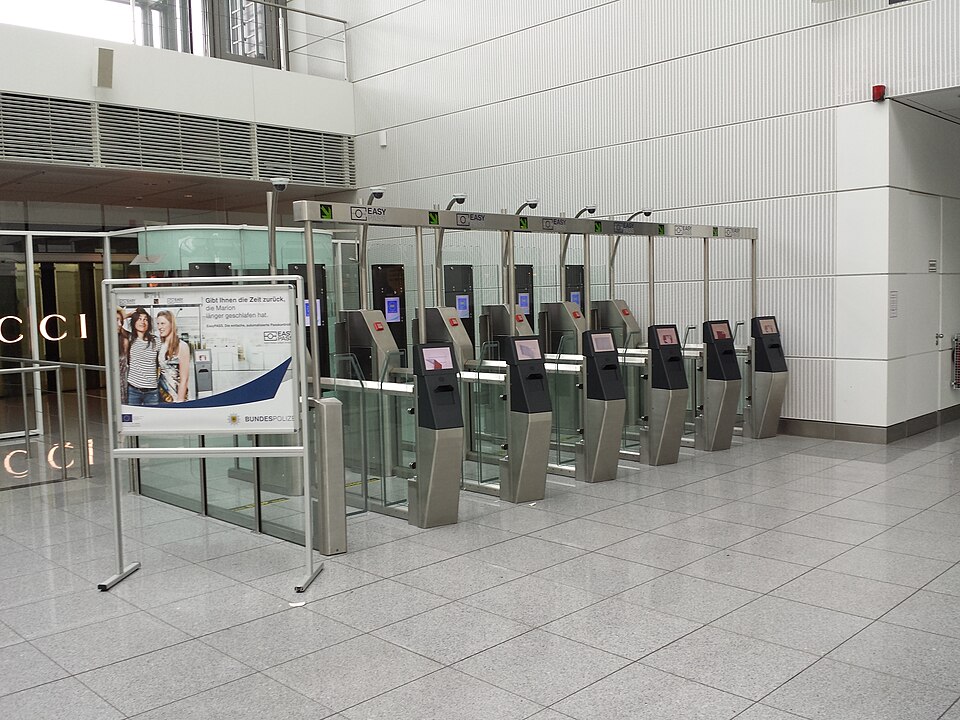
Severe Border Delays and Queue Build-Ups
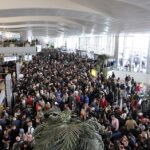
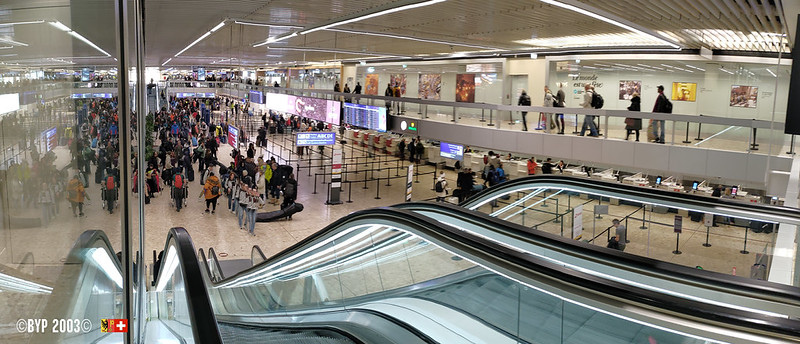
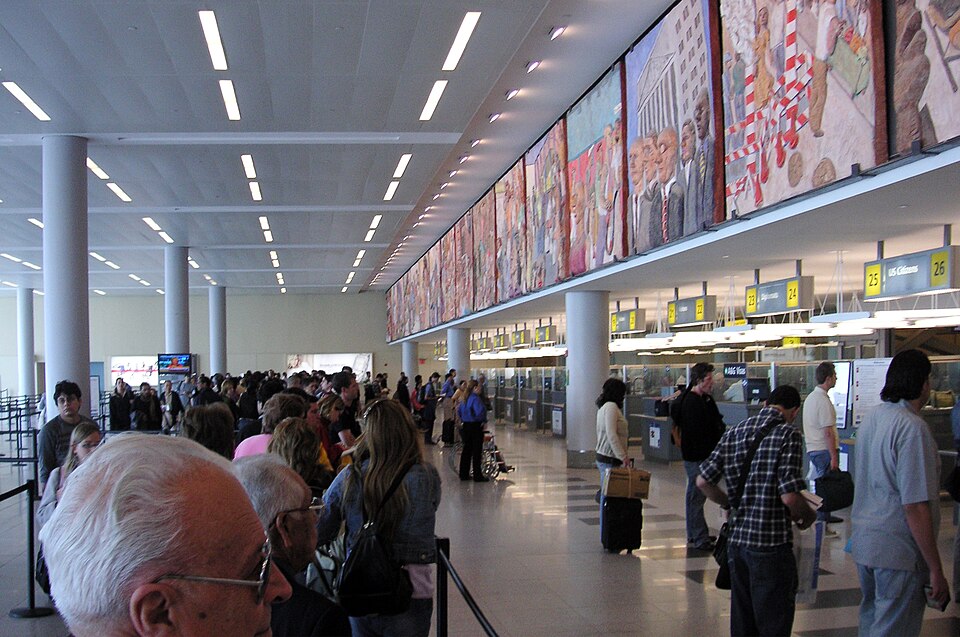
Since the system became fully operational on Friday, April 10, 2026, the rollout has led to significant airport delays, including long queues at Milan Linate Airport (LIN) on Sunday, April 12, 2026. The EES system has led to significant delays at airports, with passengers facing queues lasting two to three hours or more at border control. In some cases, delays were so severe that travellers missed their flights, according to the BBC.
Travellers described highly stressful and chaotic conditions during the delays. Reports included people fainting, feeling sick, and experiencing extreme exhaustion while waiting in long queues. Some passengers were forced to spend large sums of money to arrange alternative travel home after missing flights.
Future Outlook
The EES is expected to remain a permanent feature of EU border management. This means that biometric checks, such as fingerprint and facial recognition scans will become standard for most non-EU travellers entering the Schengen Area according to Migration and Home Affairs. While the system is designed to improve security and track overstays more effectively, it’s rollout has raised concerns about its impact on passenger flow at already busy airports.
Early implementation phases suggest that the additional processing steps can increase the time required for individual border checks. As a result, even small inefficiencies can accumulate quickly in high-traffic hubs, leading to longer queues at peak arrival times. The BBC and travel industry observers have warned that if processing times do not improve through automation and staffing adjustments, delays could persist or worsen during peak travel periods, especially in the summer holiday season when passenger volumes are at their highest.
What do you think about the EES system? Let us know in the comments below.