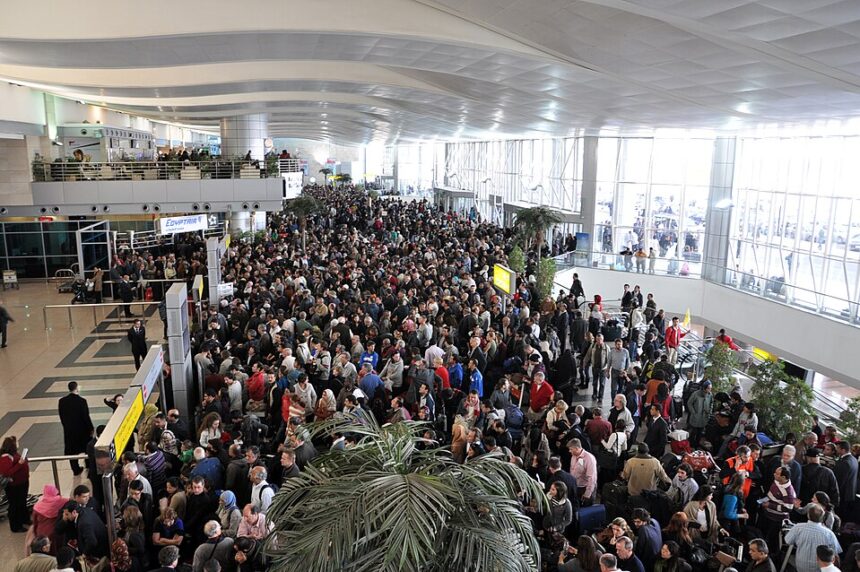
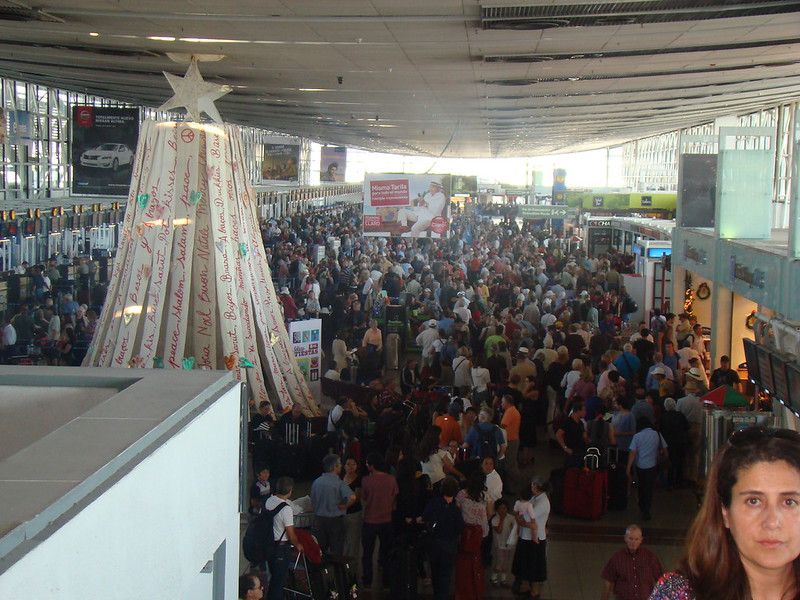
Airports across Europe are facing sustained overcrowding, due to surging travel demand which outpaces the current infrastructure and staffing capacity. Passenger numbers have rebounded sharply since the pandemic, but the systems supporting them have struggled to keep up.
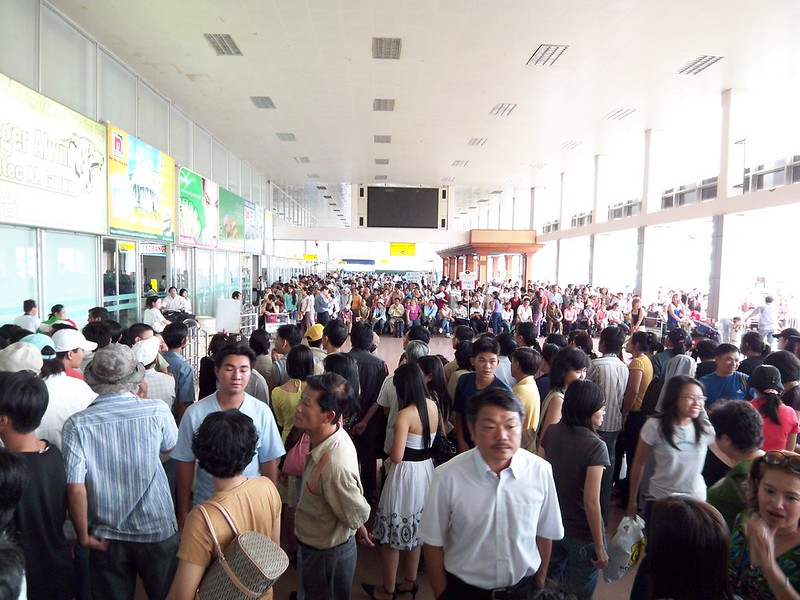
Airport Capacity Limits and Operational Strain
Passenger numbers have rebounded sharply since the COVID-19 pandemic. According to Airports Council International Europe (ACI Europe), European airports handled a record 2.6 billion passengers in 2025, around 100 million more than in 2024.
Operational bottlenecks are compounding the problem. ACI Europe reports that border processing times at airports using the Entry/Exit System (EES) have increased by up to 70%, contributing to missed flights according to the BBC. The International Air Transport Association (IATA) notes that air traffic control delays in Europe have risen by 114% over the past decade, despite only modest growth in flight numbers. This suggests the system cannot cope with the amount of travellers using this new system.
How Will This Be Resolved?
Airports and regulators are responding, but progress is gradual. Infrastructure investment remains central, with major hubs including Heathrow, JFK, and Málaga are expanding terminals, upgrading runways, and redesigning passenger flow.
Technology is also playing a growing role. Biometric passport control, self-service bag drops, and AI-driven passenger management systems are being deployed to improve efficiency. At the same time, airports are boosting recruitment to address staffing shortages, particularly in security and air traffic control. The European Commission has also called for modernised airspace management and better coordination across Europe, including reforms linked to the Single European Sky initiative.
The Current Outlook
Airport congestion reflects a convergence of pressures: record demand, limited infrastructure, and operational constraints, according to IATA. The rapid recovery of aviation, particularly in tourism-heavy regions such as Southern Europe, has intensified these challenges, as airports struggle to balance peak seasonal demand with long-term capacity planning.
Without sustained investment, technological integration, and stronger coordination across European airspace, crowded terminals, flight delays, and longer waiting times are likely to remain a defining feature of air travel in the near term.
What do you think about the current overcrowding in airports and the measures being taken to stop this? Let us know in the comments below