As the conflict in the Middle East continues, airlines across Asia are cutting flights, carrying extra fuel from home airports and adding refuelling stops, increasing pressure on an industry already hit by a high jump in fuel costs.
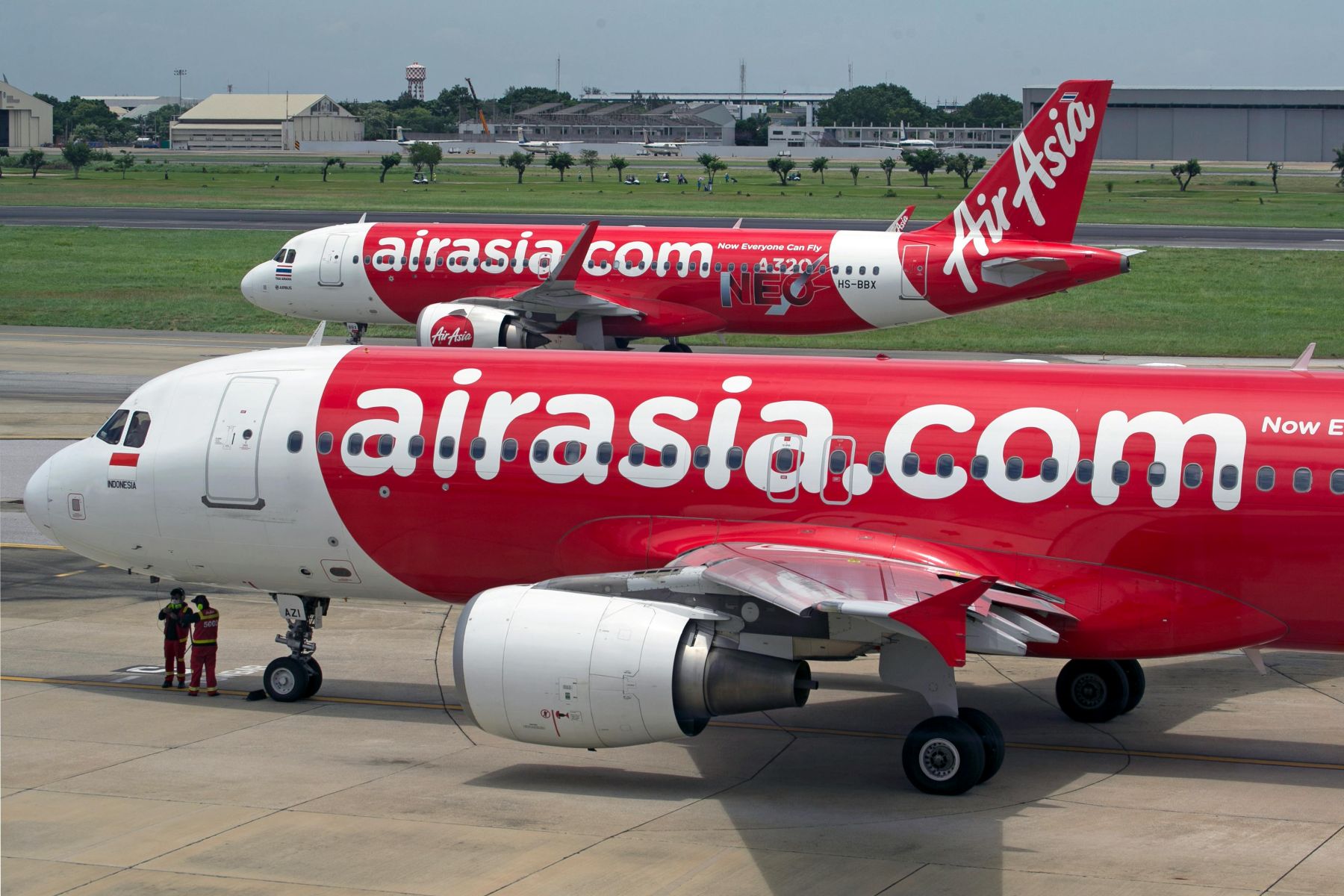
Jet fuel shortages hitting Asia hard
Airlines across Asia are adjusting operations in response to the Middle East conflict, which has sharply reduced jet fuel availability. The closure of the Strait of Hormuz has disrupted nearly 21% of global seaborne jet fuel supply forcing airlines to carry extra fuel, add refuelling stops and reduce flight schedules.
Unlike past oil shocks that mainly drove up prices, this crisis is creating physical supply constraints and intensifying pressure on airlines that are already dealing with record fuel costs. It is effectively forcing governments, airlines and airports to consider rationing their fuel supply.
Within Asia, the sudden strain has been sharply felt in lower-income, import-dependent markets such as Vietnam, Myanmar and Pakistan after China and Thailand halted jet fuel exports and South Korea capped exports, tightening supplies.
Asia, unlike Europe or the United States, is far more reliant on Hormuz flows, as the West have ample domestic supplies that will keep them stable for longer. However, Europe is being warned of potential disruptions.

Supply constraints could lead to further disruptions
Budget carriers like the Malaysian AirAsia X, for example, are now loading extra fuel before flying to Vietnamese airports, due to limits on local fuel availability.
Airlines are also engaging in “tankering” which means carrying extra fuel from abroad and increases fuel burn but ensures flights can reach their destinations.
Vietnam Airlines has cut 23 domestic flights per week to conserve fuel, according to the Civil Aviation Authority of Vietnam (CAAV).
Myanmar and South Pacific carriers have suspended or reduced flights in response to shortages. Furthermore, in the South Pacific, Tahiti International Airport has restricted refuelling for international flights to quantities essential for flight operations.
Air India is making refuelling stops in Kolkata en route from Yangon to Delhi, due to fuel shortages at Yangon airport, exposing the widespread operational impact the Middle Eastern conflict has caused.
The Middle Eastern conflict has also affected Europe, as four Italian airports have been cautioned, they may run short on jet fuel and last week the UK aviation industry warned of disruptions as the last of their supply of jet fuel was delivered.
The potential long-term implications are two-fold. If jet fuel shortages continue, further flight cancellations and operational constraints are likely. Analysts warn that any sustained supply disruption could trigger an economic slowdown in the second half of the year impacting passenger demand and airline profitability.
What are your opinions on this article? Let us know in the comments.