
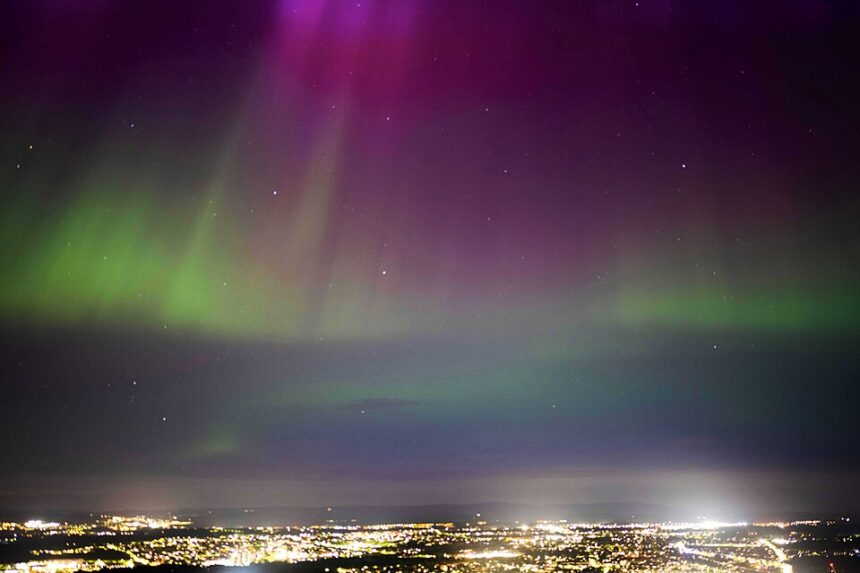
The northern lights (or aurora borealis) is the name given to the natural phenomenon of colourful lights that can appear in the night sky over the northern hemisphere. They are caused by the Sun’s powerful magnetic field and charged particles being released into the earth’s atmosphere by solar winds. Visible colours are typically green, but Icelandair has revealed a rarer pink colour can also be visible. The airline has analysed worldwide viewing spots and ranked the top 15 places to see these pink northern lights.
Chasing pink
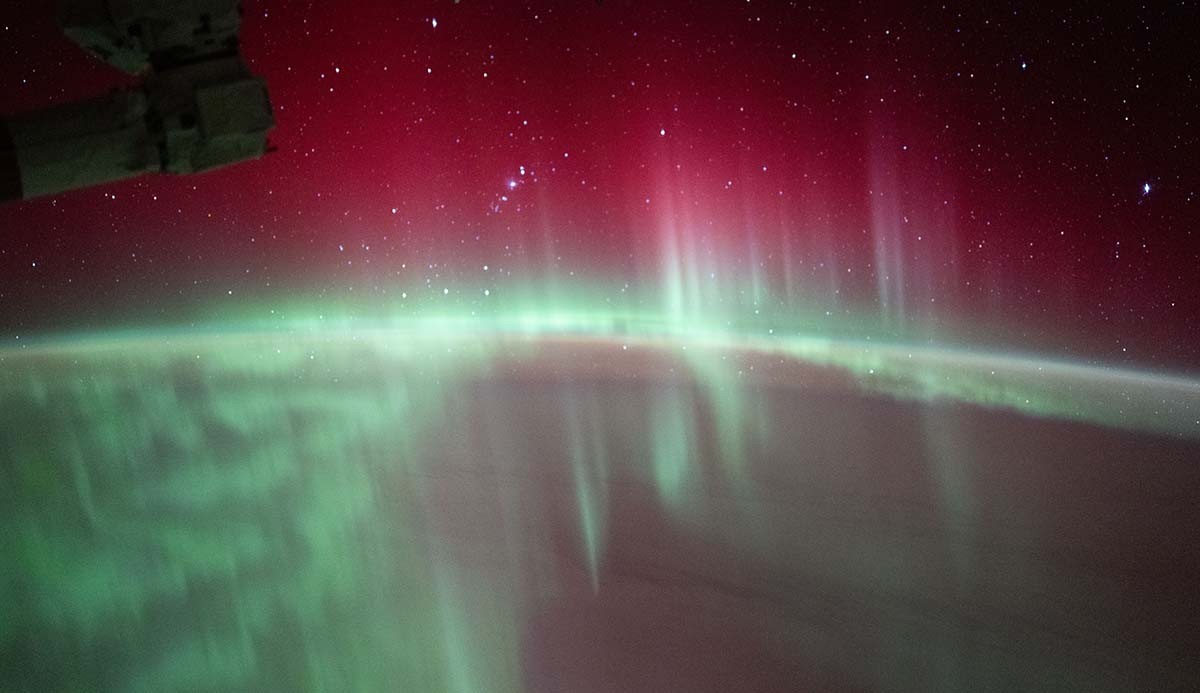
The United Kingdom’s (UK) Meteorological (MET) Office has confirmed that the Sun has passed the peak of its current 11-year solar cycle, but that activity remains heightened. This creates opportunities for vivid aurora displays including shades of red, purple and pink. The United States (US) National Aeronautics and Space Administration (NASA) explains the pink shades occur when energetic particles punch deeper into the atmosphere than usual and react with nitrogen.
Icelandair ranked 15 worldwide viewing spots (out of a possible 35, in eight countries) with scoring based on how dark their night skies are, how likely you are to see the lights, how easy the location is to reach as well as the vividness of the pink auroras.
In Canada, Maligne Lake in Jasper was rated the top-spot to witness the pink northern lights. Prelude Lake in Yellowknife was rated fourth.
In the US, Denali National Park, Chena Hot Springs and Murphy Dome, all located in Alaska, were rated second, third and sixth respectively.
Just one spot featured in Greenland, Ilulissat Icefjord, which completed Icelandair’s global top-five viewing spots.
In Iceland, Diamond Beach was ranked seventh, Skaftafell National Park was ranked ninth and Pingvellir National Park was ranked fourteenth.
Just one spot featured in Sweden, Aurora Sky Station, which was ranked eighth.
In the UK, three locations in Scotland ranked in the top 15, the Isle of Skye (10th), Loch Lomond (11th) and Rannoch Moor (12th). Loch Lomond was said to have “produced the single most vivid, saturated pink hue of any location in the entire study”.
In Norway, Reisa National Park was ranked 13th and Alta was ranked 15th in Icelandair’s top viewing spots list.
Ribbons of light
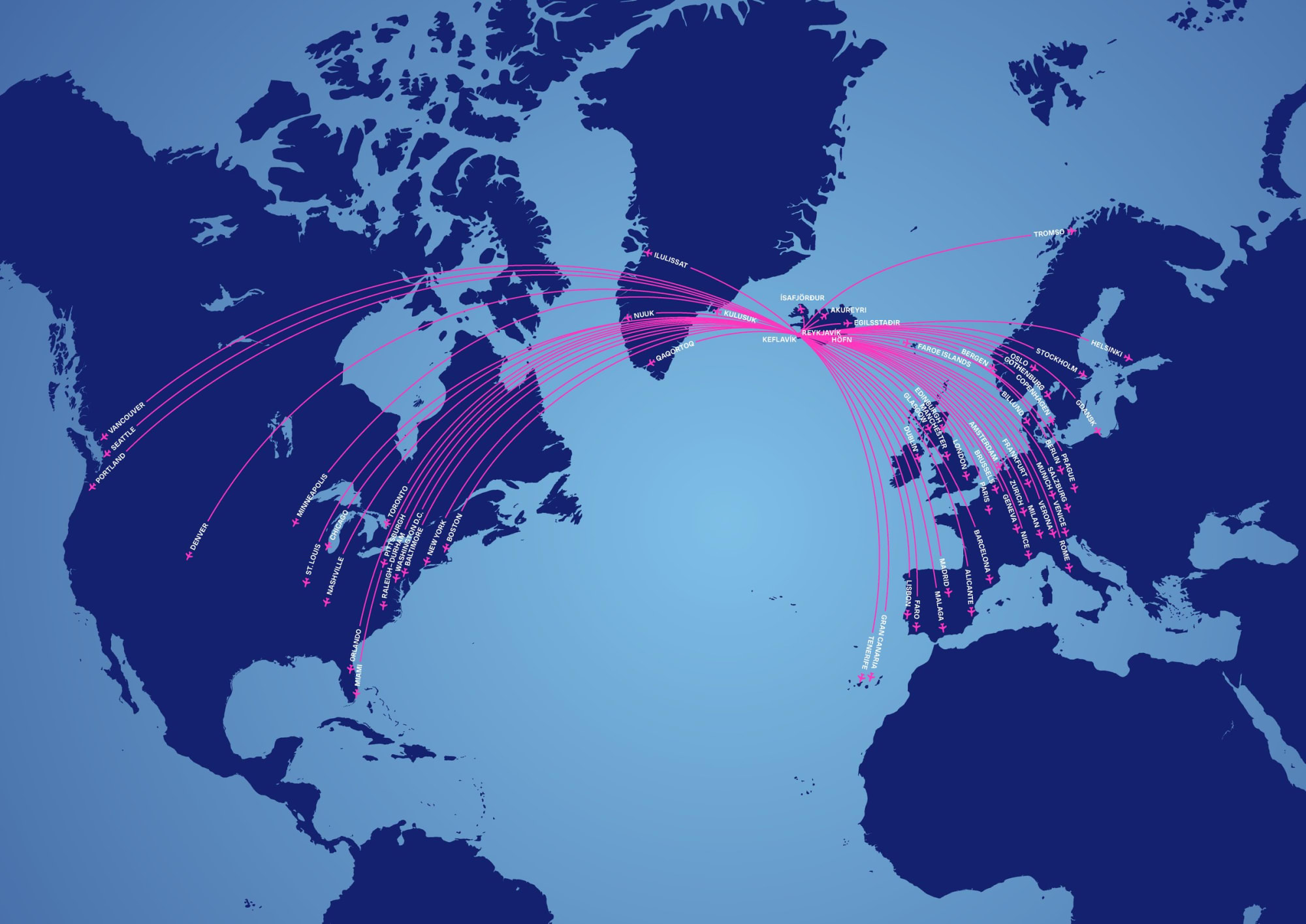
Icelandair, Iceland’s flagship airline, offers package holidays for travellers who hope to see the northern lights during their peak season from September to mid-April. Iceland’s high latitude and far-north geographical location in the North-Atlantic Ocean means it experiences greater hours of darkness between November and February, allowing a longer possible window to see the northern lights. However, tourists should be aware that sightings are not guaranteed and visibility depends on factors such as clear skies, low light pollution, solar activity and the weather.
However, it may not be necessary to travel so far, as the BBC recently reported that on October 9 and 10 in the UK, the northern lights were visible across Wales and as far south as Devon, Hampshire and Kent. During clear skies, it is possible to see them by looking north and away from light. It is best to use a mobile phone camera on night-mode with maximum exposure (but with no flash enabled).
Have you ever been lucky enough to see the northern lights in the UK or abroad? Let us know in the comments below.