
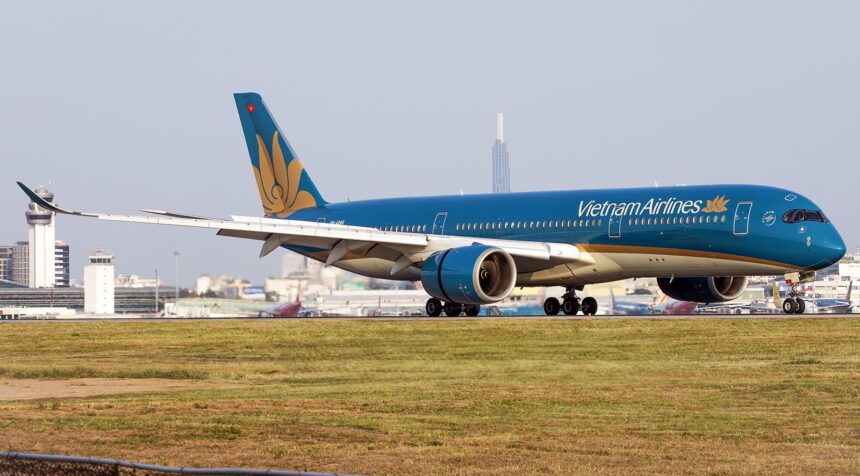
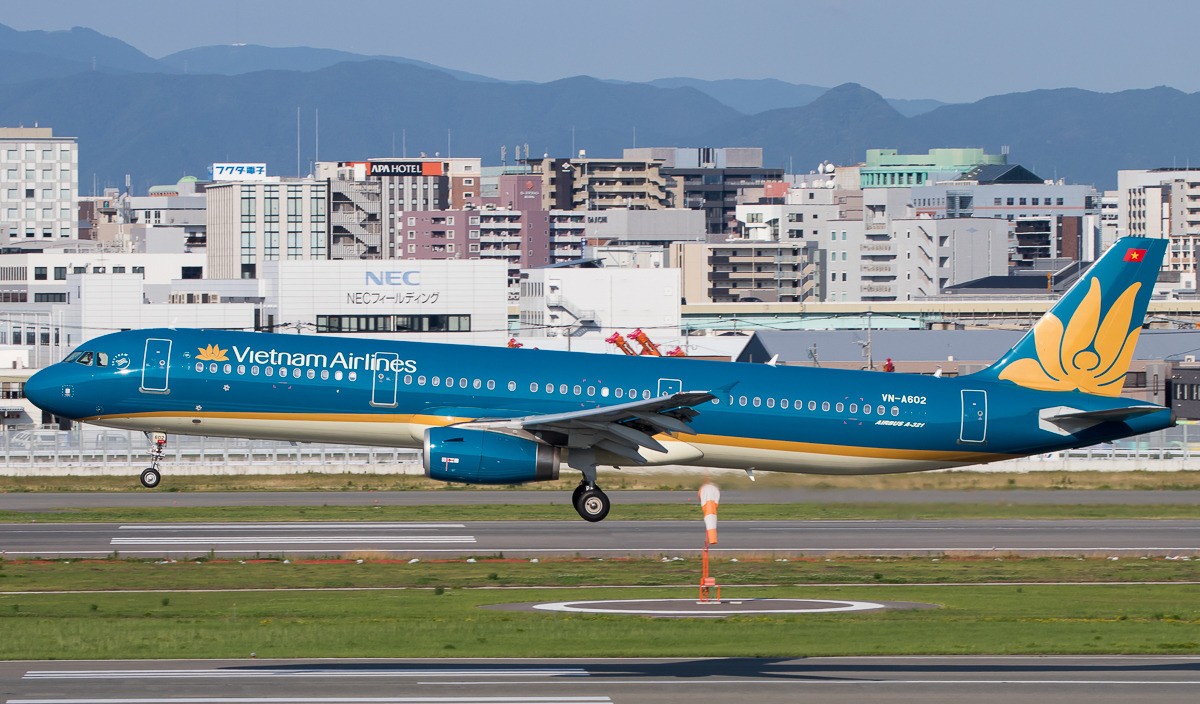
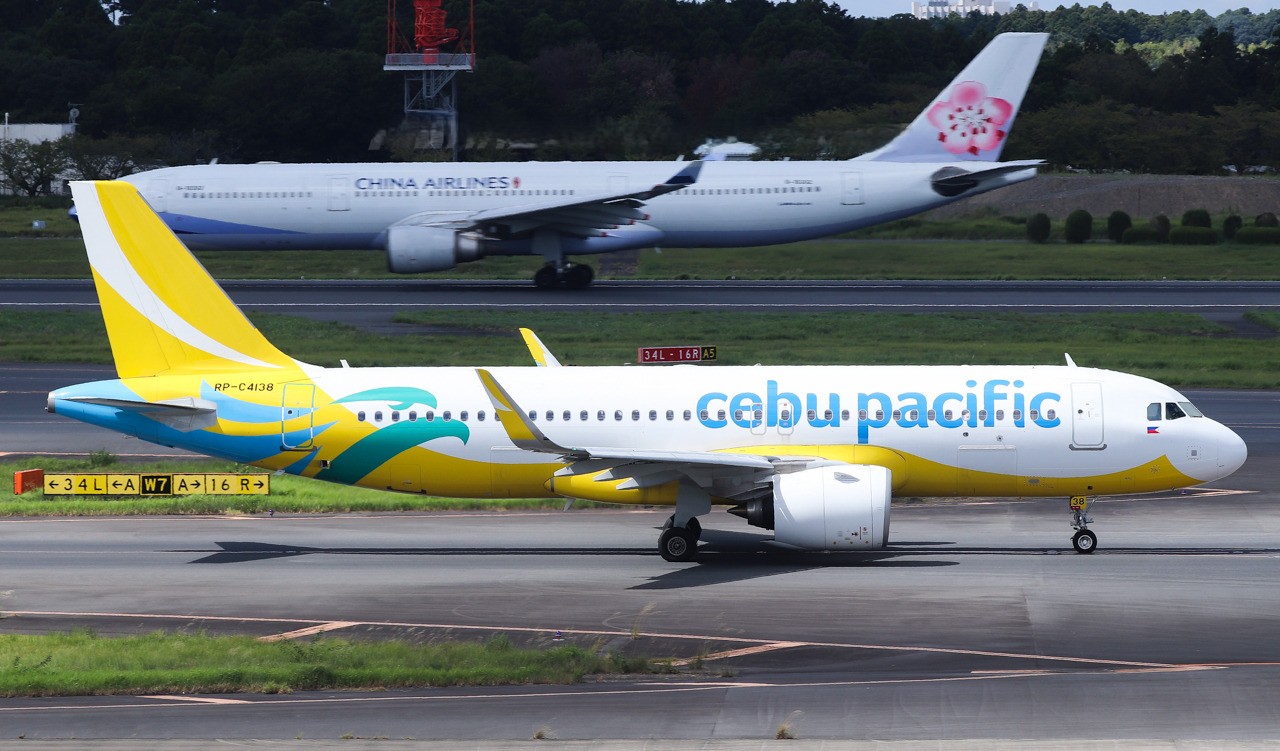
Vietnam Airlines (VN) has wet-leased an Airbus A320neo from Cebu Pacific (5J), adding capacity to its domestic network from July 15 to Sep. 7, 2026. The Pratt & Whitney 1100G powered aircraft is based at Ho Chi Minh City’s Tan Son Nhat International Airport (SGN), thereby connecting the Vietnam capital with Cam Ranh, Phu Quoc, Vinh, and Da Nang.
How the Arrangement works
Cebu Pacific Chief Financial Officer Mark Cezar linked the deal to rising travel demand across Vietnam and Southeast Asia, noting that airlines increasingly find opportunities to collaborate in meeting passenger demand.
Cezar said:
“As Cebu Pacific’s fleet continues to expand, we are well positioned to deploy our capacity where it is needed most, including through strategic wet lease partnerships during periods of lower demand in the Philippines.”
For context, a wet lease agreement or ACMI agreement, is where the lessor, Cebu Pacific in this case, provides the aircraft, crew, maintenance and insurance, while the lessee, Vietnam Airlines, operates the aircraft under its own network. This differs from a dry lease agreement, where only the aircraft changes hands without crew or other support.
Part of a Wider Pattern of Regional Capacity Sharing
There has been a carrier in the past who have turned to Cebu Pacific for wet-leased capacity. Last year, Saudi LCC flyadeal (F3) operated two A320s leased from Cebu Pacific during its peak summer season in 2025 to help with the Hajj pilgrimage. Cebu Pacific has also leased two A320ceo aircraft and crew from Bulgaria Air (FB) under a damp lease in 2023 to supply the increased demand during the Philippines’ post-pandemic recovery.
For Cebu Pacific, such agreement extends its role beyond passenger operations in the Philippines, giving it a chance to support other regional carriers, diversify revenue, and build its presence in Vietnam’s aviation market.
As aircraft delivery delays continue to squeeze fleets, is wet leasing the fix airlines need, or just a stopgap? Let us know below.