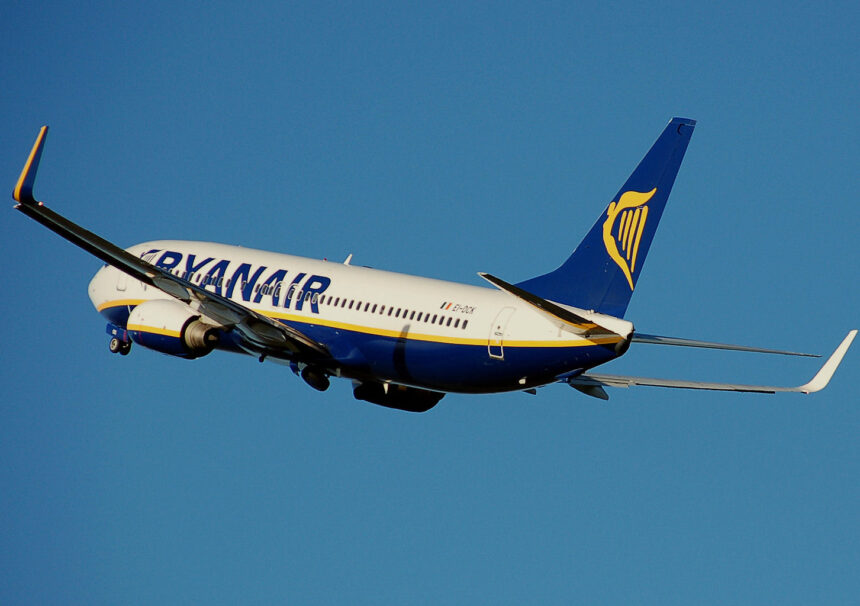
The CEO of the Ryanair Group, Michael O’Leary has predicted that ticket prices could rise by as much as 20% on some routes next summer due to high jet fuel prices. O’Leary suggested the IATA has over-estimated the extent of fuel price rises, and said he expected them to remain close to their current level for between 12 and 18 months.

Why Might Ticket Prices Rise?
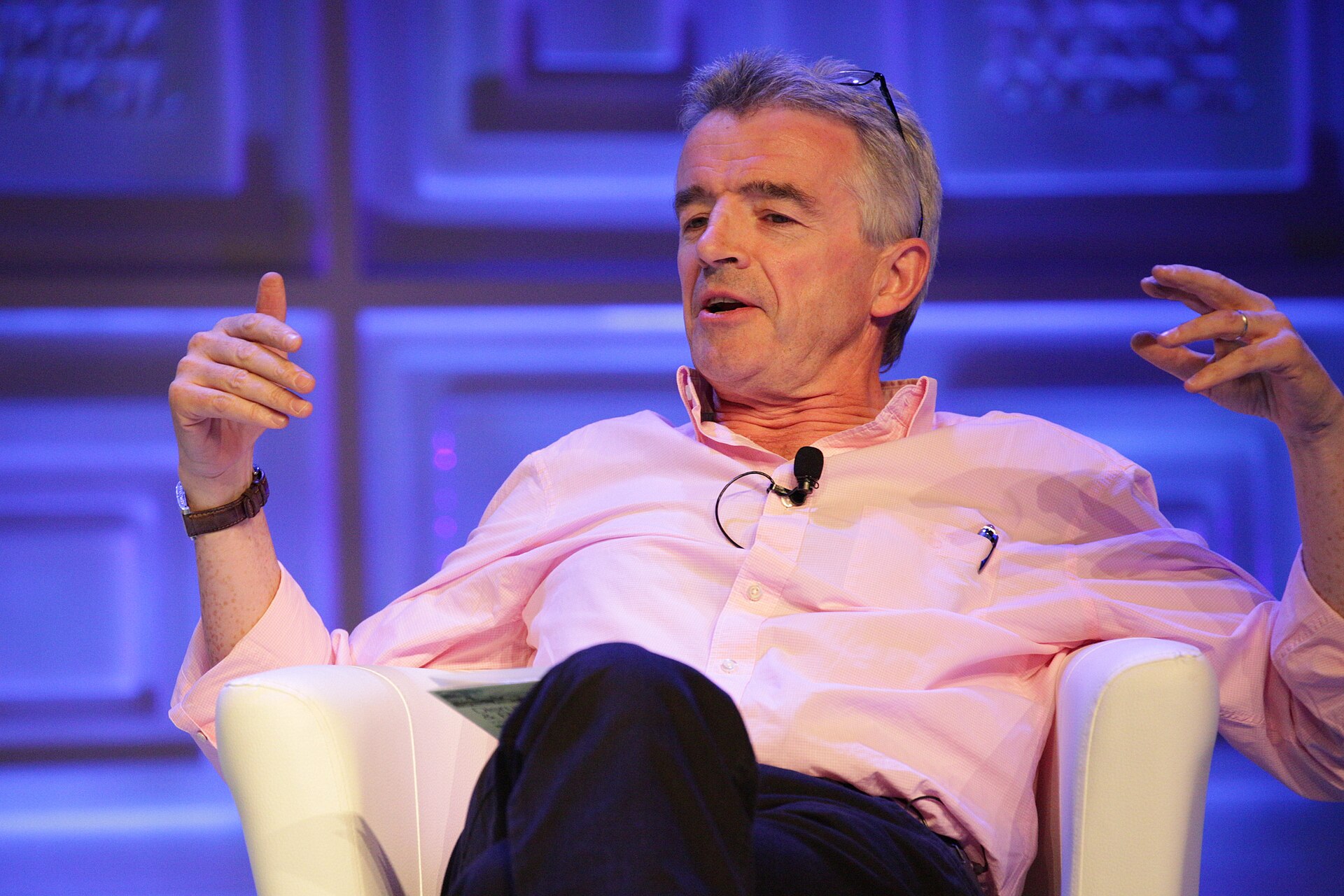
O’Leary was speaking at the Airlines for Europe Press Conference, Oct. 8, when he said that,
“We are all facing an enormous cost challenge next year.”
This was in reference to the pressures placed upon airlines by the relatively high jet fuel prices resulting from the ongoing US-Iran conflict.
O’Leary estimated that jet fuel prices are currently roughly 50% higher than they were at the outbreak of the conflict, Feb. 28, 2026, and that they would remain at a similar level for between 12 and 18 months.
Data from the International Air Transport Association’s (IATA) fuel price monitor suggests that O’Leary may be underestimating the scale of the price rises.
The IATA estimates that fuel prices are close to double the level they were at prior to the outbreak of the US-Iran conflict, and have risen faster in Europe over the past year than on any other continent.
Ryanair is Europe’s largest airline in terms of passenger numbers.
O’Leary also said that cost pressures will continue to grow on airlines which have not hedged as large a proportion of their fuel for 2027 as they had for 2026.
Hedging refers to airlines agreeing a price with fuel suppliers several months or years in advance of a purchase.
This ensures price stability, and protects airlines from the short-term impacts of price rises, such as the one experienced last spring.
Airlines which have benefitted from hedging agreements which expire at the end of 2026 will have to pay the market price for jet fuel from the beginning of 2027.
This would significantly increase the cost of providing their services, if O’Leary’s prediction about fuel prices remaining high proves to be true.
What Actions Has Ryanair Taken?
O’Leary described the financial situation facing many airlines when their current heading agreements expire as a “full-blown crisis”.
He said that airlines may have to take drastic measures in order to remain profitable, and that air fares could rise by up to 20% next summer, in order for some routes to remain financially viable.
Ryanair ceased operations at 19 European airports in the first half of 2026, as the airline aimed to prioritise its most financially sustainable routes.
O’Leary told reporters that:
“The airlines cannot survive unless they pass on these insanely higher fuel costs in the form of higher offers, and the customers will have to pay.”
Ryanair has previously relied on offering cheaper services than many of its competitors, but may struggle to undercut other airlines, if the entire market is limited by high jet fuel prices.
Do you fly with Ryanair regularly? Do you think it can continue to offer low-cost services? Let us know in the comments.