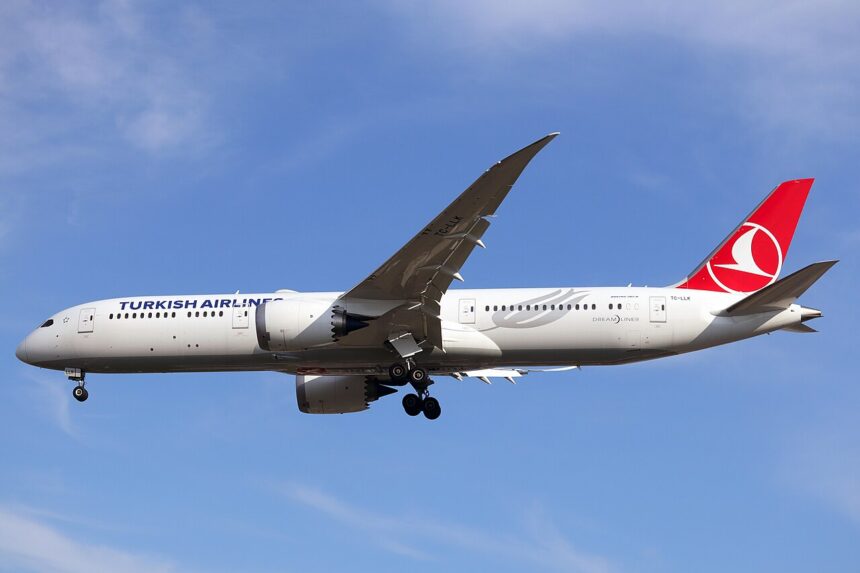
Turkish Airlines has seen a stark decrease in its profitability since the start of the Iran war. The war has driven up jet fuel refining margins, causing jet fuel prices to skyrocket.
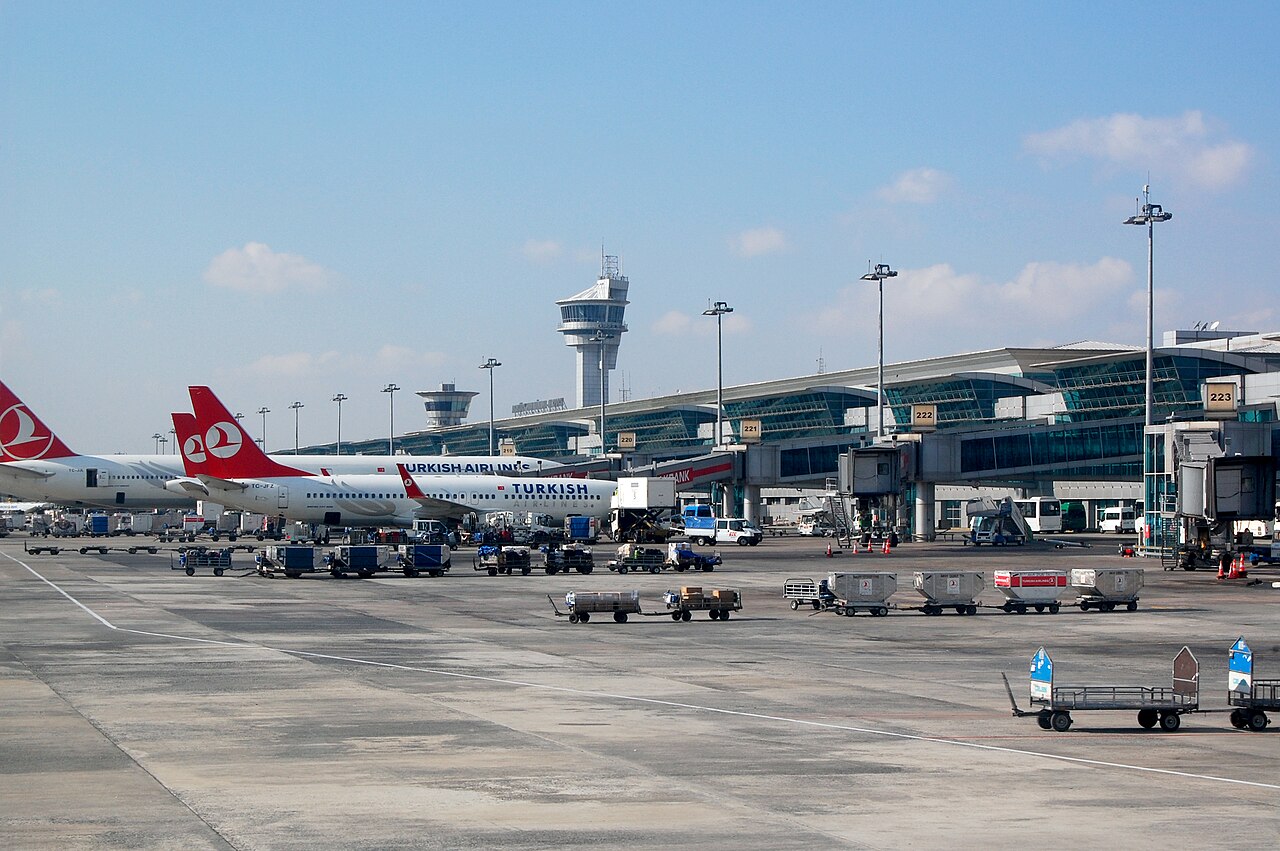
Turkish Airlines profitability
The decline in profitability contradicts Turkish Airlines‘ customer demand, as its customer base and active operations continue to grow. According to predictions stated by the International Air Transport Association (IATA), the number of global air passengers is set to increase by 4.4% this year, 2026, achieving 5.2 billion passengers. This growth can be attributed to commercial flights to and from Asia, Europe, and Africa.
This is vastly different to Turkish Airlines’ profitability numbers in 2025, which were propelled by high cargo and air passenger demand, rising to $45 billion. Since then, there has been a steep drop in the figures predicted, with profitability dropping to $23 billion in 2026.
Turkish Airlines CFO Murat Seker commented on the conflict during the 2026 Q2 earnings call:
“This conflict, together with the resulting airspace closures, flight restrictions and elevated fuel prices created one of the most challenging operating environments the industry has faced in recent years.”
Highlighting the complexity of the conflict’s impact on the aviation industry, Turkish Airlines has had to change its strategy towards aviation, including withdrawing international flight destinations spanning across Europe, Africa, the Middle East and Central Asia. They also announced a new reworked revenue and cost management strategy, prioritising sustainability and growth.
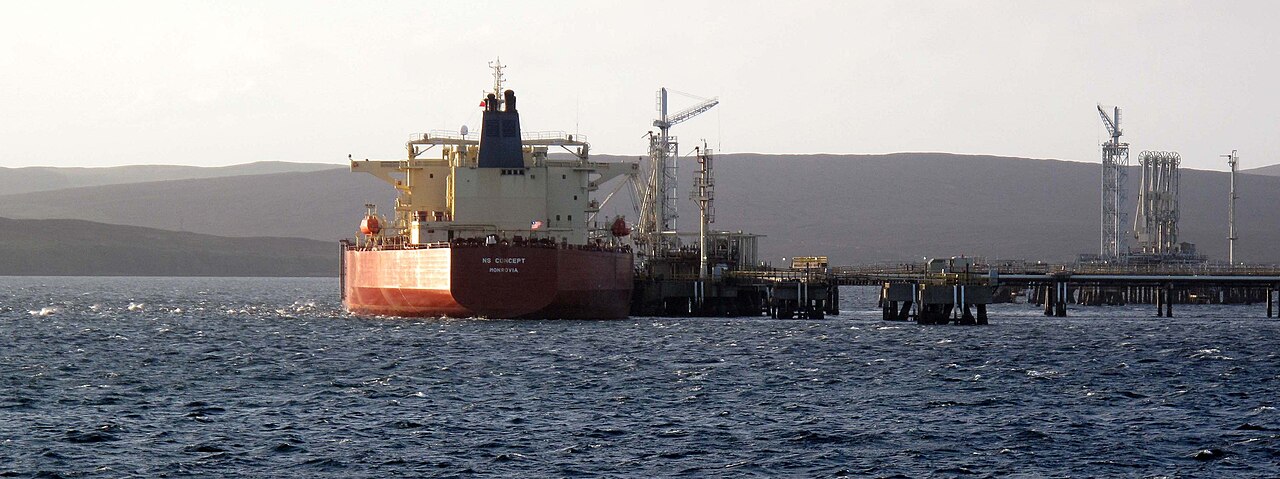
Jet fuel exports
The Strait of Hormuz, which is one of the world’s major sea shipping routes for energy trade, was blocked by Iran after airstrikes by the U.S. and Israel. This conflict has meant that jet fuel exports have been intercepted, and many shipments were unable to be delivered. More specifically, crude oil was impacted, which has made the production of Brent oil, a highly used energy source in aviation, difficult to obtain.
Turkish Airlines uses Brent Crude, whose price has significantly risen since the beginning of the conflict, as refiners face difficulty with production supplies and the costs needed to make it. The price of Brent Crude, according to the Financial Times, has risen to $84.46 per barrel, with a 28.29% increase in 2026 since around the same time last year, August 2025.
This cost has come at a high price as Turkish Airlines struggles to combat the high energy cost despite global passenger demand for flights. The airline, however, expects the demand for flights and cargo-based operations to counterbalance the effect of higher fuel prices.
What do you think about the increased oil prices? Let us know!