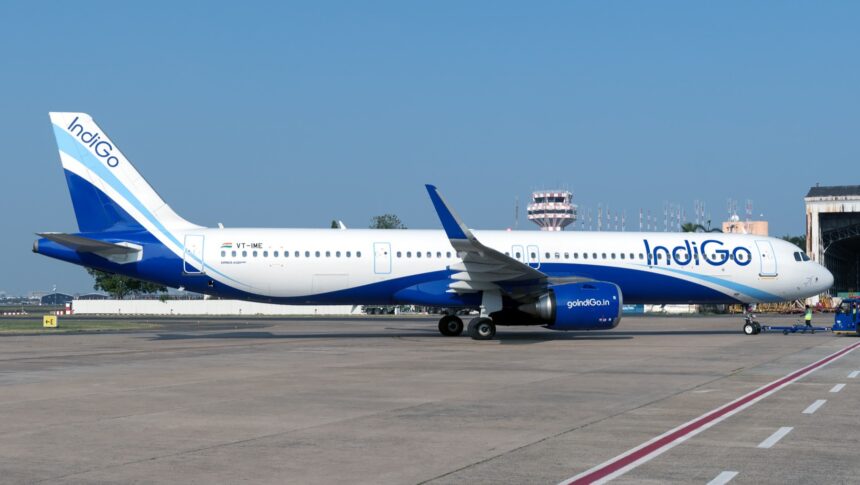
IndiGo (6E) reported a net loss of ₹26.62 billion ($280.2 million) for the quarter ended March 31, pointing to capacity curbs, a weakening rupee, and rising jet fuel costs tied to soaring crude oil prices, which have been partly driven by the ongoing Iran war, as key factors behind the loss.
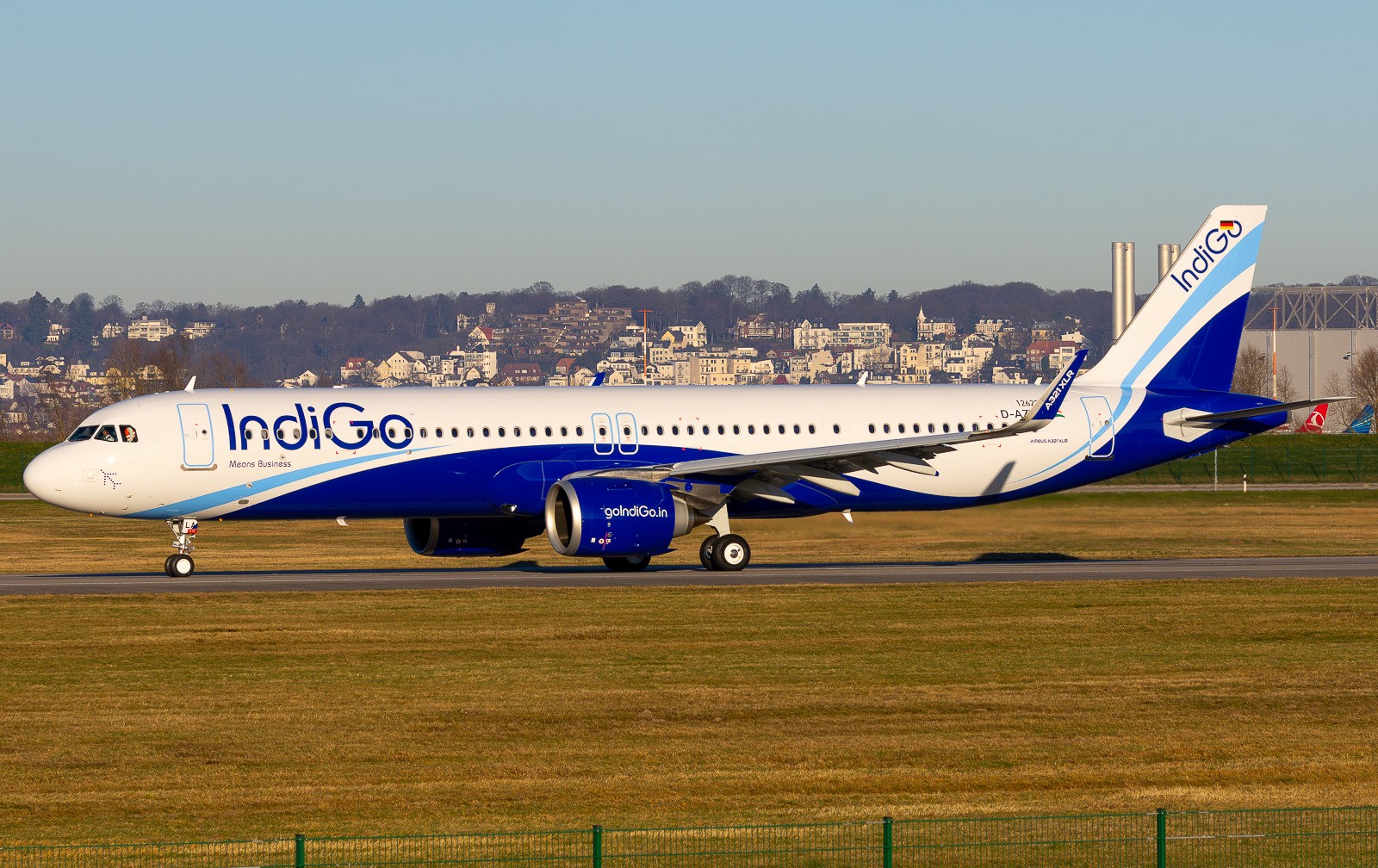
Fuel Hedging Now Under Consideration
Historically, IndiGo has not hedged its fuel costs, but IndiGo Chief Financial Officer Gaurav Negi indicated that is now being reconsidered. Mr. Negi said
“We will be putting our minds to start looking at whether fuel hedging is another option…given what we’ve experienced in the last three months now,”
For context, hedging involves financial contracts that lock in fuel prices, giving airlines a buffer against sudden spikes and more predictability over costs. Jet fuel is typically the largest single expense for airlines, which makes sharp price swings particularly damaging to margins.
Weaker Rupee and Drop in Capacity Growth
Indian Rupee’s decline against US Dollar added financial pressure to the airline during the quarter. More than 60% of IndiGo’s costs are dollar-linked, and the rupee’s slide pushed expenses up by 31%. The airline reported a foreign exchange loss of 48.82 billion rupees for the quarter, against a gain of 1.38 billion rupees a year earlier. Revenue, meanwhile, grew just 1.3%.
IndiGo also approved a plan to partially prepay up to $450 million in lease obligations to InterGlobe Aviation Financial Services IFSC Private Limited, known as GCE, its wholly owned subsidiary based in GIFT City, Gandhinagar. The funds will go towards acquiring aircraft, engines and parts as the airline grows its fleet and expands its network. Since June 2024, GCE has financed over 30 Airbus A320neo family aircraft and additional ATR aircraft for the airline.
IndiGo, which controls more than 60% of India’s domestic aviation market, said it expects capacity growth to slow to around 3% to 4% in the first quarter of fiscal 2027, down from 16.4% growth recorded a year earlier. The airline cut domestic capacity by 10% under regulatory orders and faced widespread flight cancellations due to the Flight Duty Time Limitations (FDTL) rules set by the Ministry of Civil Aviation in India in December during what Reuters described as one of the country’s worst aviation crises.
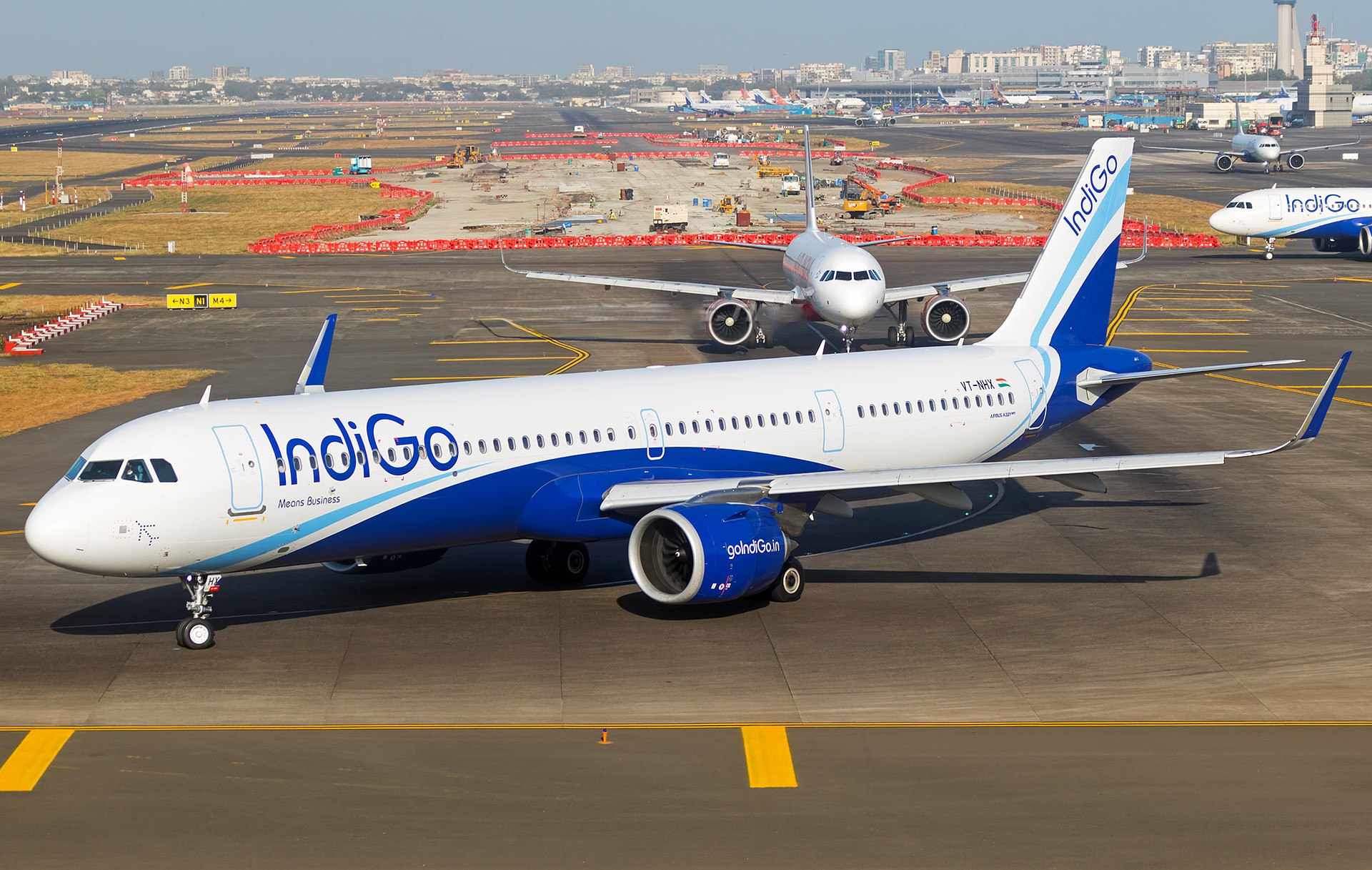
According to ch-aviation data, IndiGo currently has 386 aircraft in service, comprising 337 Airbus A320 family jets, 44 ATRs and 5 Boeing 787s, with a further 894 on order, including 833 Airbus A320 family aircraft, 60 Airbus A350s and 1 ATR.
Do you think fuel hedging is the right move for IndiGo? Let us know in the comments below.