By using this site, you agree to the Privacy Policy and Terms of Use.
Accept
Travel Radar - Aviation NewsTravel Radar - Aviation News
  • Breaking News
  • Aviation
    • Aircraft
    • Airlines
    • Airshow & Events
    • Careers
    • Manufacturing
  • Travel
    • Airports
    • Points & Loyalty
    • Technology
    • Trip Reviews
  • Newsletters
  • Aircraft for Sale
Reading: How Can Flight Operators Reduce Airlines’ Customer Care Costs? A Personal Opinion
Share
Sign In
Notification Show More
Font ResizerAa
Font ResizerAa
Travel Radar - Aviation NewsTravel Radar - Aviation News
  • Breaking News
  • Aviation
  • Travel
  • Newsletters
  • Aircraft for Sale
  • Breaking News
  • Aviation
    • Aircraft
    • Airlines
    • Airshow & Events
    • Careers
    • Manufacturing
  • Travel
    • Airports
    • Points & Loyalty
    • Technology
    • Trip Reviews
  • Newsletters
  • Aircraft for Sale
Signin Sign In
Follow US
Copyright © Travel Radar Media Ltd. 2025 | All Rights Reserved
Travel Radar - Aviation News > News > Aviation > Airline Economics > How Can Flight Operators Reduce Airlines’ Customer Care Costs? A Personal Opinion
Airline EconomicsAviationTravel

How Can Flight Operators Reduce Airlines’ Customer Care Costs? A Personal Opinion

Amuthan Chandrarajan
Last updated: 30 October 2025 12:56
By Amuthan Chandrarajan
5 Min Read
Share
Heathrow
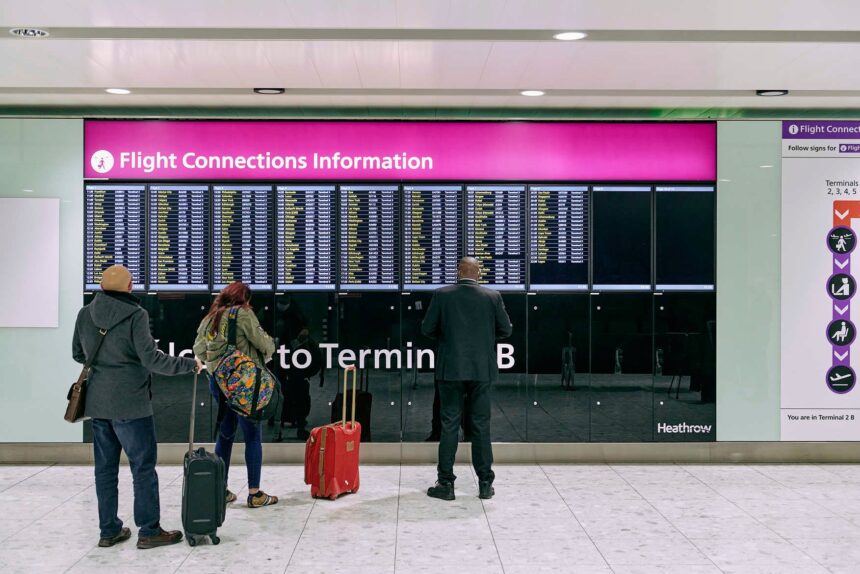
Passengers in Heathrow Airport Terminal 2B, in front of a large display board, information on flight connections, connecting flights .©London Heathrow Airport
SHARE

In my recent trip to Sri Lanka, I became acutely aware of the need to reduce airlines’ customer care costs. It was very clear on the British Airways component of the trip that the airline was trying to take steps to reduce its customer care costs. However, the experience was difficult as we were faced with automated baggage check-in at London Heathrow, which was difficult to handle. We did have help, however but the whole process was cumbersome. First, you have to answer questions on a touchscreen whilst at the same time sorting out the baggage. Baggage labels are then printed of which you then have to attach to your checked-in luggage by yourself. This has to be done at the same time as dealing with customers behind you, effectively saying, ‘get a move on.’
British Airways Airbus
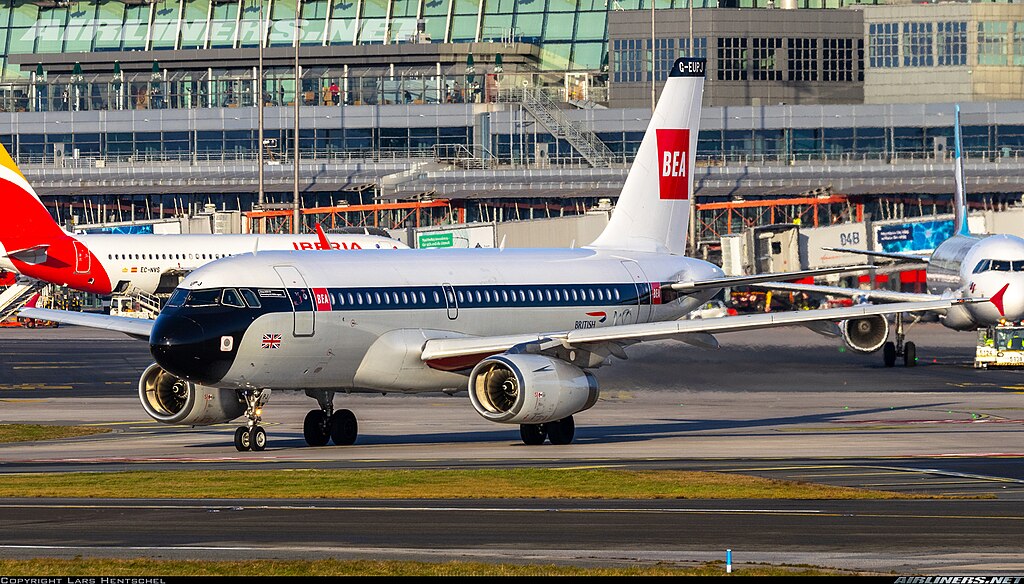
British Airways has automated baggage check-in. ©Lars Hentschel

Maintaining Standards

So how do you reduce costs whilst at the same time maintaining customer care to the standards expected? Here, I have detailed what, in my opinion, can be done to improve airlines’ customer care costs.

Technology is an important tool that can be used to do this. However, technology should not be used to reduce airlines’ customer care costs at the expense of comfort. Nevertheless, technology is still a valuable tool for reducing airlines’ customer care costs. The use of paper, for example, has declined over time as tickets are emailed out rather than sent in the post, reducing both administration as well as printing and posting costs.

There are ways however that they could use technology to reduce airlines’ customer care costs whilst at the same time as maintaining standards. In this case, perhaps they could warn people before checking in that they will be faced with an automated baggage check-in process. In addition, people could be asked the baggage check-in questions at the time they do online check-in. This means that they could then focus on putting the baggage labels on, thereby speeding up the check-in process. In addition, some people should be around to provide help for any customer who needs it, although admittedly, this would still be less than what would be needed for normal check-in via a customer service agent. This means that staff costs will still be reduced.
London Heathrow
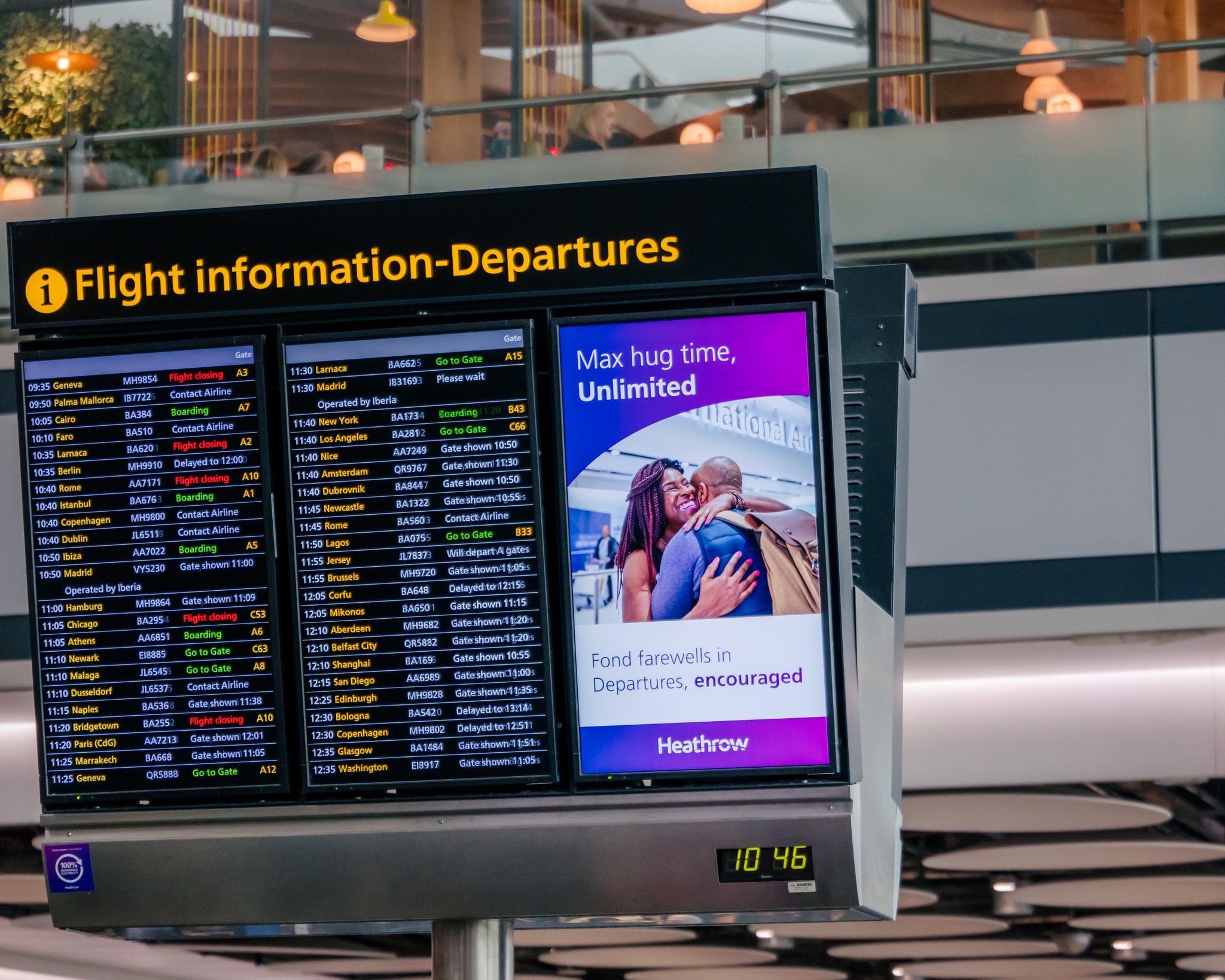
Passengers could be warned before getting to the airport about automated baggage check-in. ©London Heathrow Airport

Improving Quality

The problem with technology, however, is that whilst airlines’ customer care costs are reduced, many people may feel that in order to maintain an airline’s respect, quality should be improved in order to justify a noticeable decrease in staff numbers. So one could emphasise that simplifying the check-in process at the airport, by reducing the number of questions asked by the automated system, would speed the process, and in addition, staff help would not be needed by many. This effectively improves the quality of the service whilst at the same time reducing airlines’ customer service costs, creating a win-win situation for both the airlines as well as customers.

To reduce staff numbers further, there could be a co-operation between airlines so that each member of staff can help with multiple airline check-ins. Outsourcing (the contracting in of another company to provide check-in and other services) may also be possible, particularly if there is co-operation between more airlines that jointly organise another company to provide such services. An outsourcing agreement could also extend to call centre staff dealing with customer queries for those who ring up. In terms of airport check-in provision, however, quality can be improved by simplifying the process, thereby improving speed and reducing the necessity of staff help.

To conclude, therefore, airlines’ customer care costs are an area where airlines such as British Airways are trying to clamp down on. However, it is important for airlines to at the very least not compromise on their standards in order to reduce costs. This means that care must be taken when putting in processes such as automated baggage check-in. We have to wait to see how this progresses.

So all in all in my opinion there are ways to improve airlines’ customer care costs without compromising on quality. What are you views on airlines’ customer care costs?

You Might Also Like

Pilots’ Union Protests Wet Leasing Laws
Korean Air to Introduce Sustainable Meal Containers on Board
Data-led Vision for East Midlands Airport’s Commercial Potential
TAP Air Portugal launches A321neo with optimised cabin space
Sudan Airways resumes flights after maintenance hiatus
Share This Article
Facebook Twitter Email Copy Link
What’s your thoughts?
Love0
Sad0
Happy0
Angry0
ByAmuthan Chandrarajan
Aviation Reporter — Amuthan brings a strong background in both residential and commercial real estate, complemented by a deep passion for aviation and travel that has taken him to numerous countries around the world. With a solid foundation in business and finance and a Master of Business Administration degree, he combines analytical insight with a global perspective in his reporting.
Previous Article Boeing777x Boeing Delays Production of Much Anticipated 777X Jets to 2027, Facing $5 in Penalties
Next Article The Addis Ababa skyline atop water display Ethiopia’s $6 Billion Mega-Airport: Growth Engine or Gamble?
Leave a Comment

Leave a Reply Cancel reply

Your email address will not be published. Required fields are marked *


Stay Connected

FacebookLike
TwitterFollow
InstagramFollow
YoutubeSubscribe

Trending News

An El Al Boeing 767-300ER (registration 4X-EVO) photographed from below with its landing gear fully extended, showing the aircraft's underbelly, wing structure, and the prominent blue Star of David on the tail against a clear blue sky.
Boeing 737-10 completes its final planned certification flight
Aircraft Airline Economics Aviation
A picture taken from the crash site of the tourist plane flying over the Nazca Lines. A burnt part of the aircraft can be seen with two men stood behind it. A vehicle can be seen in the background.
Tourist Plane Crash in Peru Kills 13 Over the Nazca Lines
Airlines Aviation Breaking News Incidents & Accidents
An image showing the very modern planned mega-airport city development by Ethiopian Airlines.
US Pushes for Stake in Ethiopia’s Mega‑Airport Development
Airline Economics Airports Aviation
An Embraer E175 aircraft in blue and white sititng on tarmac with green grass and a cloudy sky in the background.
Embraer delivers Air Peace’s first E175 aircraft
Aircraft Airline Economics Airlines
Exterior of the Amsterdam Airport Schiphol terminal entrance at night, illuminated signage above the doors and flower planters lining the walkway.
Amsterdam Schiphol posts record €801m investment
Airports Aviation

Travel Radar is the leading digital hub for all things aviation and air-travel. Discover our latest aviation news, aviation data, insight and analysis.


Discover

  • Latest News
  • Subscribe
  • Weekly Digest
  • Contact Us
  • Privacy Policy
  • About Us
  • Advertising
  • Media Coverage
  • Press & Events
  • Join Our Team
  • Our Brands

Signup to our Newsletter!

And get the latest aviation news via our weekly news digest!

© Travel Radar Media Ltd. 2015-2026 | ISSN #2635-0696 | Trademark #UK00003579704
adbanner
Welcome to the TR Community!

Sign in to your account

Not a member? Sign Up