By using this site, you agree to the Privacy Policy and Terms of Use.
Accept
Travel Radar - Aviation NewsTravel Radar - Aviation News
  • Breaking News
  • Aviation
    • Aircraft
    • Airlines
    • Airshow & Events
    • Careers
    • Manufacturing
  • Travel
    • Airports
    • Points & Loyalty
    • Technology
    • Trip Reviews
  • Newsletters
  • Aircraft for Sale
Reading: FAA Planning to Lift Ban on Supersonic Travel
Share
Sign In
Notification Show More
Font ResizerAa
Font ResizerAa
Travel Radar - Aviation NewsTravel Radar - Aviation News
  • Breaking News
  • Aviation
  • Travel
  • Newsletters
  • Aircraft for Sale
  • Breaking News
  • Aviation
    • Aircraft
    • Airlines
    • Airshow & Events
    • Careers
    • Manufacturing
  • Travel
    • Airports
    • Points & Loyalty
    • Technology
    • Trip Reviews
  • Newsletters
  • Aircraft for Sale
Signin Sign In
Follow US
Copyright © Travel Radar Media Ltd. 2025 | All Rights Reserved
Travel Radar - Aviation News > News > Aviation > Aircraft > FAA Planning to Lift Ban on Supersonic Travel
AircraftAviationTechnology

FAA Planning to Lift Ban on Supersonic Travel

Melissa Thomas
Last updated: 21 July 2026 08:40
By Melissa Thomas
5 Min Read
Share
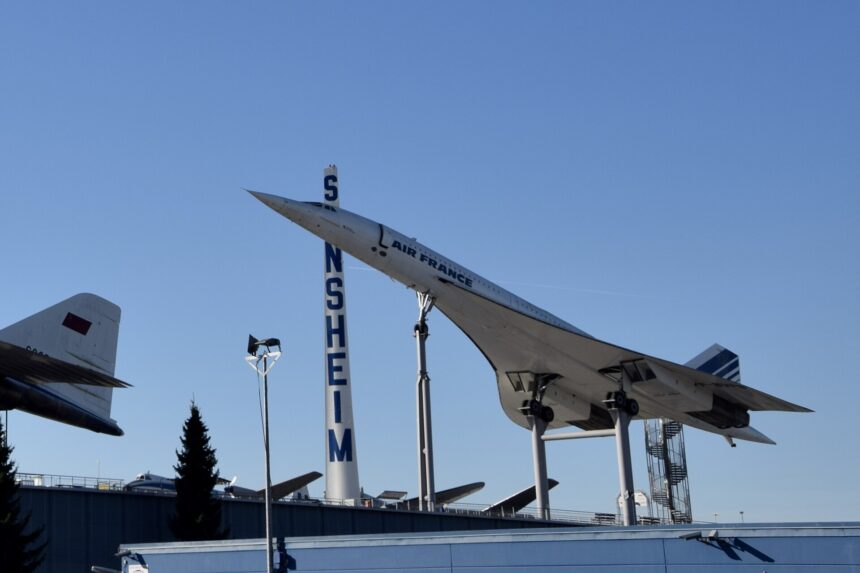
An Air France Concorde aircraft at Technik Museum Sinsheim, Baden-Württemberg, Germany. The long and bizarrely pointed aircraft is elevated on columns for display.
Air France Concorde © Ank Kumar
SHARE

It has been reported that the Federal Aviation Administration (FAA) intends to lift the ban on supersonic travel over land, which has been in place for over 50 years. The organisation wants to lift the ban to legalise and begin implementing commercial supersonic travel by mid-2027.
Summary
Breaking the Sound BarrierSonic BoomCombatting the Boom
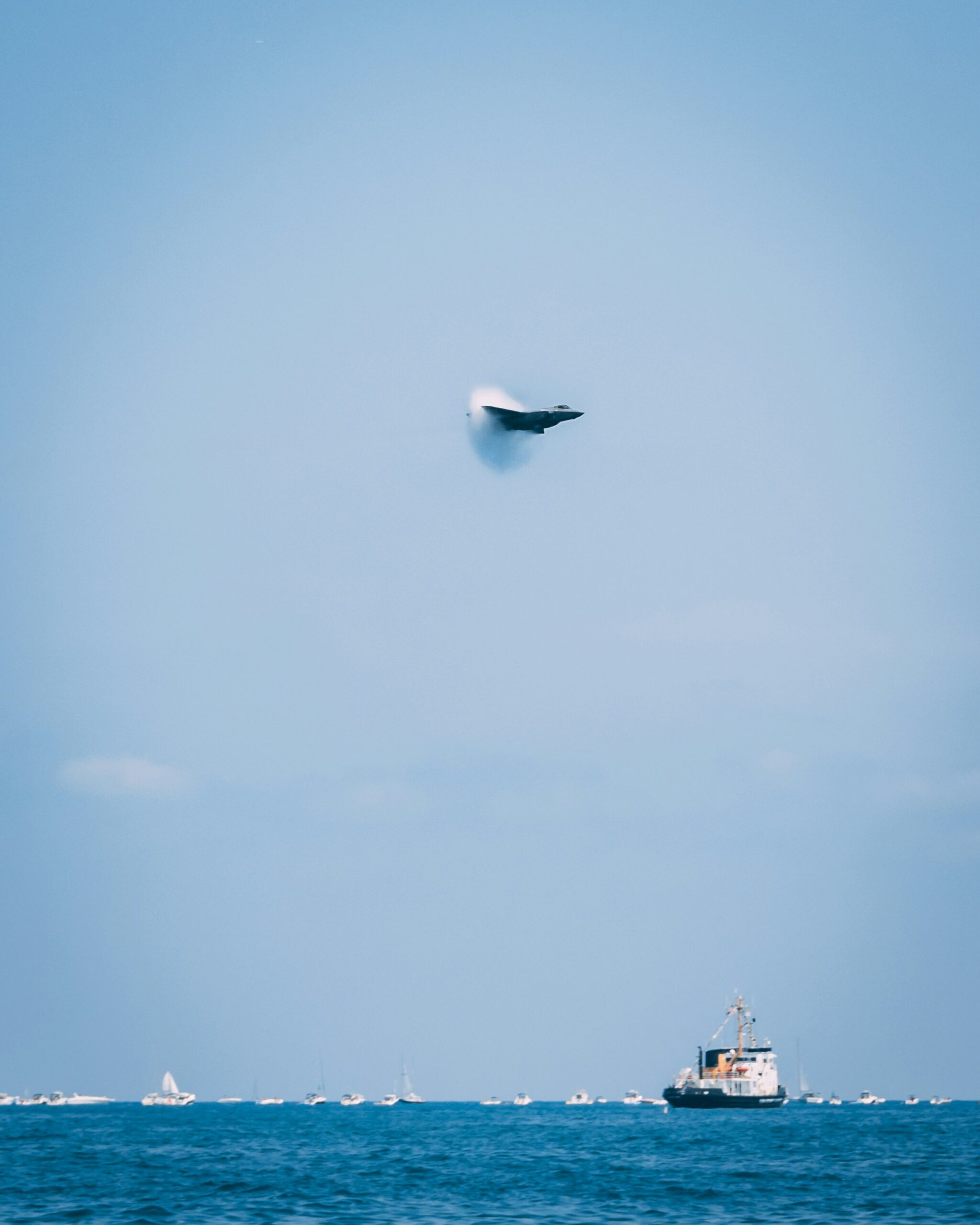
A supersonic jet flying in blue sky. Sea and ships bellow.
A supersonic jet breaks the sound barrier © Peter Mizsak

Breaking the Sound Barrier

The FAA has submitted a proposal to reinstate commercial flights faster than the speed of sound over the continental U.S. These special jets would travel at 770 mph, while standard jets travel between 550 mph and 600 mph, cutting journey time considerably. Amid the controversy generated by the thunderous booming sound that accompanies supersonic travel, the proposal suggests guidelines for managing the “boom”, including a noise-based certification standard.

Because supersonic travel breaks the sound barrier, it creates shock waves that produce a loud, explosive sound on the ground, called a sonic boom. While these noises are typically not dangerous, they are extremely loud and disruptive to those nearby. This massive noise disturbance led the FAA to ban supersonic flight over land in 1973. Despite the ban, exceptions for military or space-based operations are sometimes made.
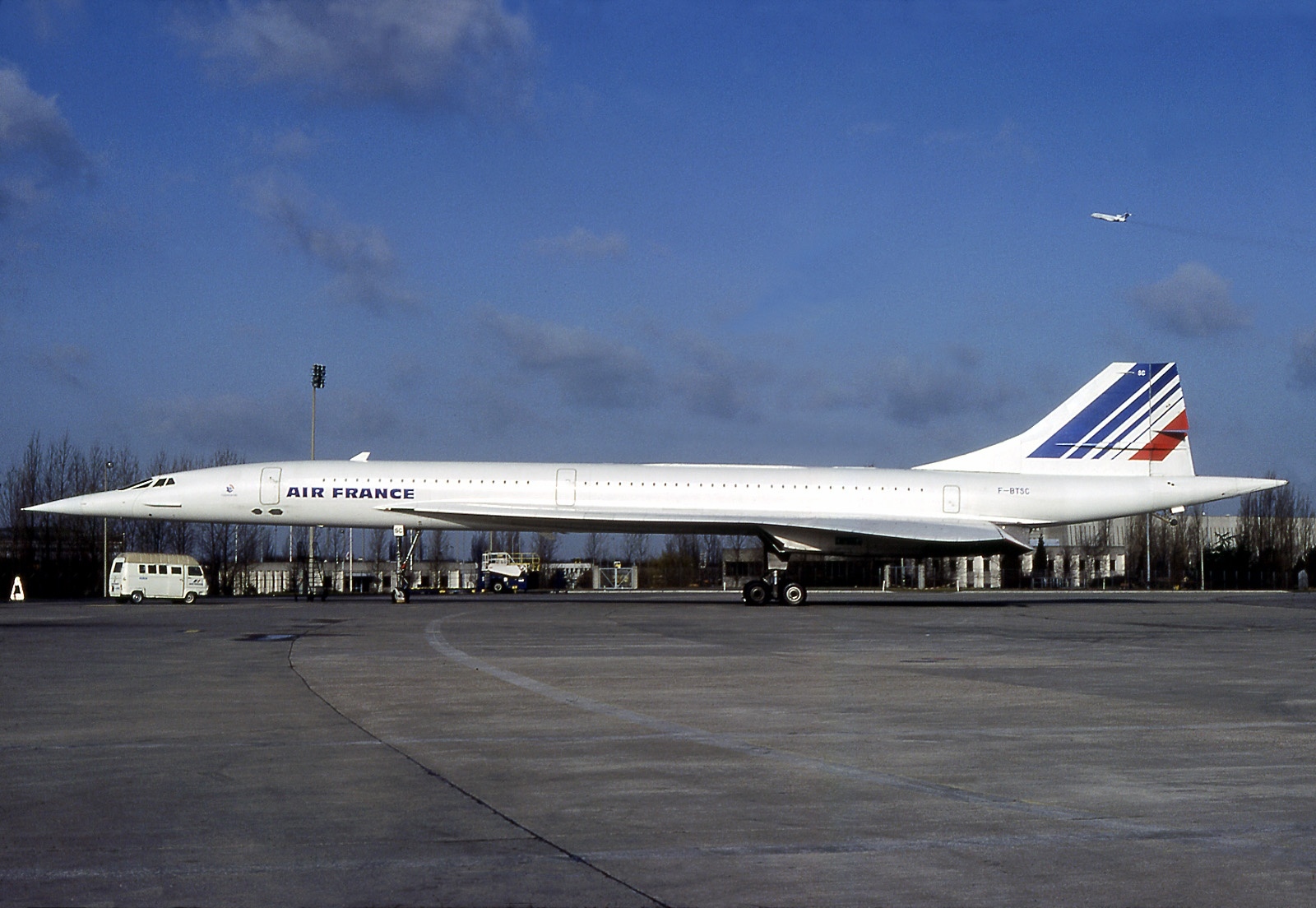
An Air France Concorde pictured on the ground. It is a long pointy white aircraft with 'AIR FRANCE' branding near the front in dark blue, as well as blue white and red striped branding on the tail. The nose is on the centre left and the tail is on the centre right. The background shows blue sky with some clouds.
By 2003, the Concorde was no longer in operation © Michel Gilliand

Sonic Boom

The first aircraft to break the sound barrier flew in 1947, and in the years that followed, several aircraft manufacturers hoped to become pioneers of commercial supersonic flight. In late 1973, the Concorde, a supersonic jet jointly manufactured by the UK and France, made its first transatlantic crossing before inaugurating the world’s first scheduled supersonic passenger service on Jan. 21, 1976.

Soon, the Concorde was making regular international commercial flights. With its extreme supersonic speed transporting it from the East Coast of America to Europe in only three and a half hours, it cut standard journeys in half and was hailed as revolutionary for the aviation industry.

Despite its innovative speed, the Concorde was unpopular with those along its flight path due to the sonic booms that inevitably accompanied its flights, and it became increasingly scorned for its high fares. A fatal crash in 2000 highlighted vulnerabilities in the aircraft design, sealing the Concorde’s fate, and by the end of 2003, the service was permanently discontinued.
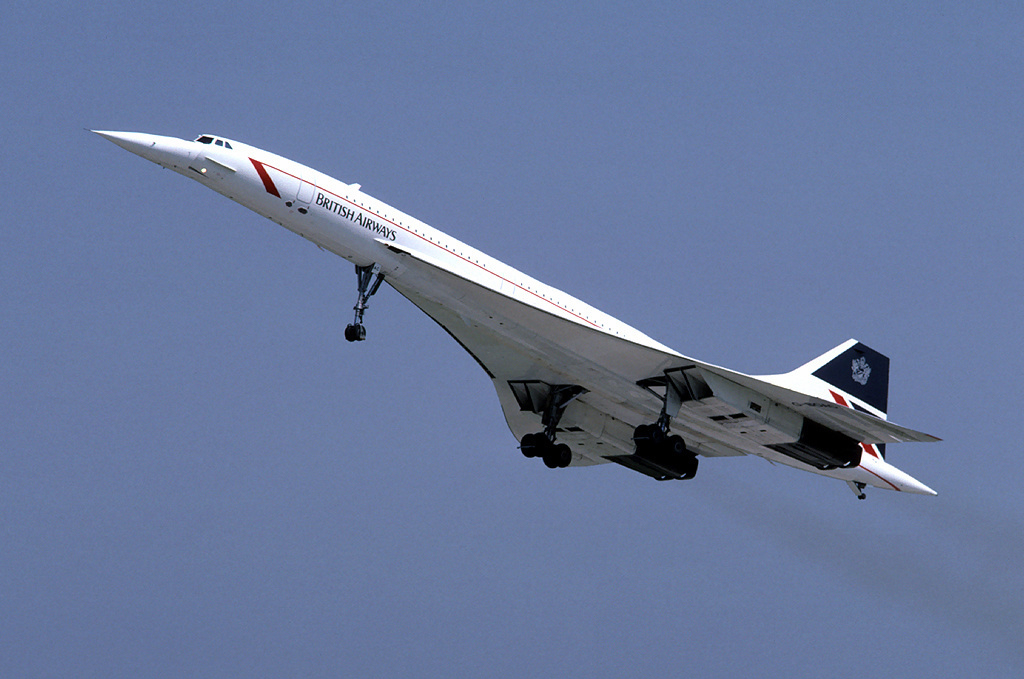
A British Airways Concorde pictured in flight during 1986. The aircraft is pictured ascending, pointed nose in the upper left of the image and the tail on the lower right. A red stripe runs across the middle of the entire body of the plane, and underneath the strict toward the front is dak blue branding which reads 'BRITISH AIRWAYS'. The tail also has navy blue, red, and white branding on the tail. The background is a clear blue sky.
A British Airways Concorde pictured in flight during 1986 © Eduard Marmet

Combatting the Boom

A key priority of the FAA’s new plan is to lessen the impact of sonic booms and reduce sound complaints, with the proposal outlining a flight technique called “Mach cut-off” to address the issue. This technique utilises the aircraft’s design, atmospheric conditions, speed, and altitude to refract the sonic boom back into the atmosphere, decreasing the impact on land. The FAA administrator Bryan Bedford expressed confidence in the new technique, commenting:

“Advances in aerospace engineering, materials science, noise reduction, and new operational concepts will eliminate the old sonic boom. This means we can ultimately repeal the ban from the 1970s on supersonic flight over U.S. territory while minimizing noise impacts to residents in communities along the route and near airports.”

The agency intends to have the new rules finalised by mid-2027, thereby legalising internal supersonic flight over land in less than a year. On top of this, the U.S. government hopes to extend supersonic travel abroad, including international flights, and has called for the FAA to expand and accelerate its efforts to work with foreign aviation authorities to make this a reality.

How do you feel about the potential return of supersonic travel? Let us know in the comments.

You Might Also Like

2025 Aviation Trends and Highlights
Expanded Codeshare with ITA Airways and Lufthansa Group
IATA Study: Could Biometric Digital IDs Save Millions by Merging Airport Passenger Flows?
airBaltic Training Reports Growth in 2024
All Nippon Airways Introduces Personal SAF Scheme
Share This Article
Facebook Twitter Email Copy Link
What’s your thoughts?
Love0
Sad0
Happy0
Angry0
ByMelissa Thomas
Editor Intern - A little about me coming soon!
Previous Article © Lucas Oliveira How Airlines and Airports Are Driving the Shift to eSIM-Only Travel in Europe
Leave a Comment

Leave a Reply Cancel reply

Your email address will not be published. Required fields are marked *


Stay Connected

FacebookLike
TwitterFollow
InstagramFollow
YoutubeSubscribe

Trending News

© Lucas Oliveira
How Airlines and Airports Are Driving the Shift to eSIM-Only Travel in Europe
Aviation Travel
A Boeing 787 is pictured in flight, tail on the left side and nose on the right. The underbelly of the aircraft is cobalt blue with white 'BOEING' branding along it, and the tail is a light blue with white '787' branding. The rest of the jet is white. It is pictured at a slight upwards angle. The background is a clear blue sky.
Boeing Announce Focus on Production, Not New Orders
Aircraft Aviation Incidents & Accidents Manufacturing
An Antonov An-124-100 heavy cargo aircraft sits on the runway preparing for takeoff at Manchester Airport, with its large fuselage
Antonov An-124 Helps Airbus and Boeing Expedite Deliveries
Aircraft Manufacturing
Aer Lingus Airline new mobile app interface.
Aer Lingus to cut up to 500 jobs and Dublin routes
Airline Economics Aviation Travel
A Ryanair plane is pictured in flight. The aircrfat has the customary company branding across the side of the fuselage and tail in navy blue and yellow-gold. The jet's underbelly is also navy blue. The nose is facing left and the tail is on the right. In the background of the image is a clear blue sky.
Ryanair Maintains Low Fares As Profit Stagnates
Airlines Aviation Careers Did You Know Travel

Travel Radar is the leading digital hub for all things aviation and air-travel. Discover our latest aviation news, aviation data, insight and analysis.


Discover

  • Latest News
  • Subscribe
  • Weekly Digest
  • Contact Us
  • Privacy Policy
  • About Us
  • Advertising
  • Media Coverage
  • Press & Events
  • Join Our Team
  • Our Brands

Signup to our Newsletter!

And get the latest aviation news via our weekly news digest!

© Travel Radar Media Ltd. 2015-2026 | ISSN #2635-0696 | Trademark #UK00003579704
adbanner
Welcome to the TR Community!

Sign in to your account

Not a member? Sign Up