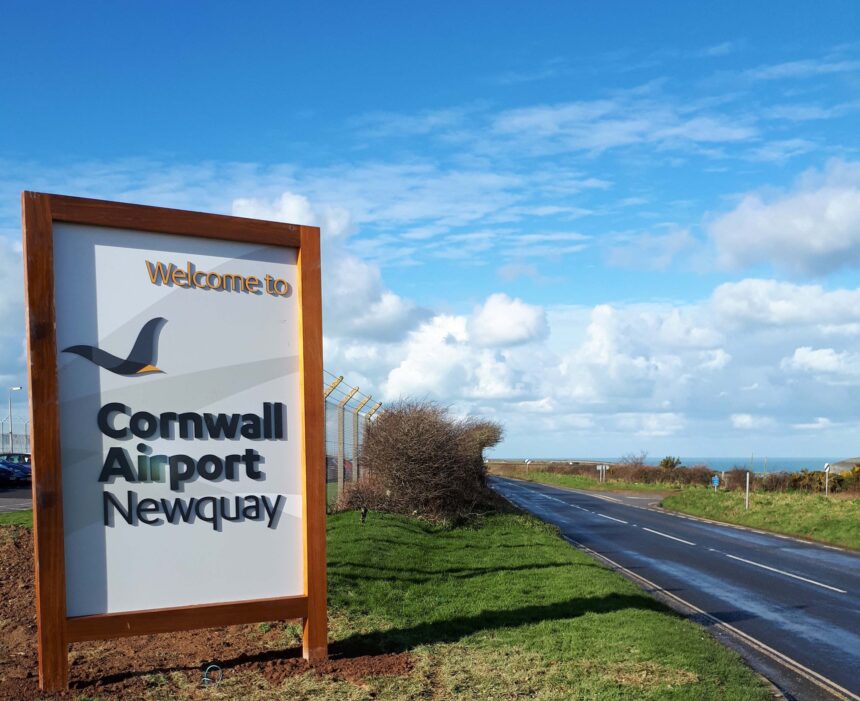
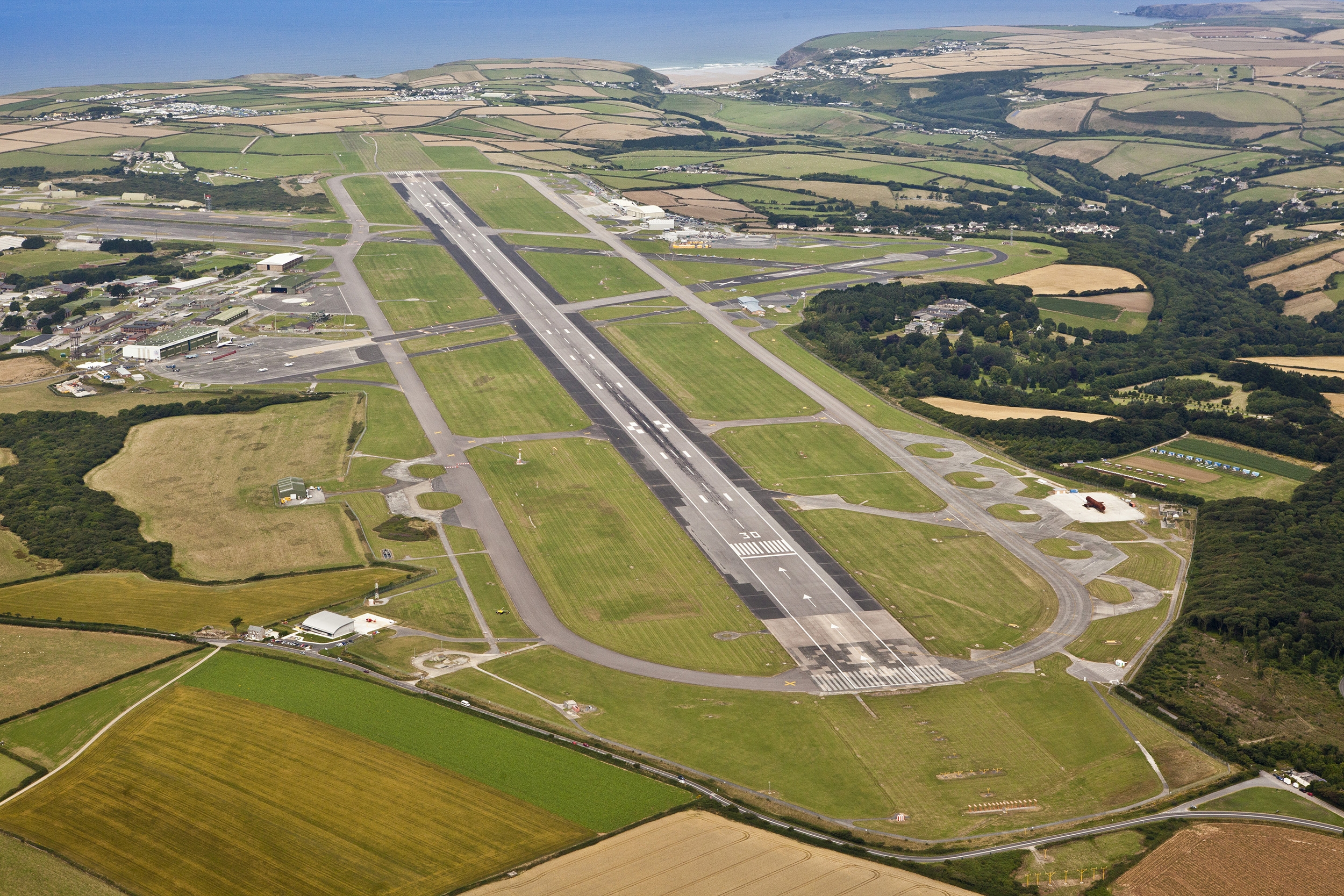
Construction has begun on a new radar system at Cornwall Airport Newquay (NQY), a development expected to enhance airspace safety and support the next generation of drone and advanced aviation testing in the UK, according to the BBC. The project, which is due to be completed this summer, was discussed during a recent Cornwall Council corporate finance committee meeting. Airport officials believe the investment will strengthen Cornwall’s position as a centre for aviation innovation while supporting the safe integration of uncrewed aircraft into UK airspace.
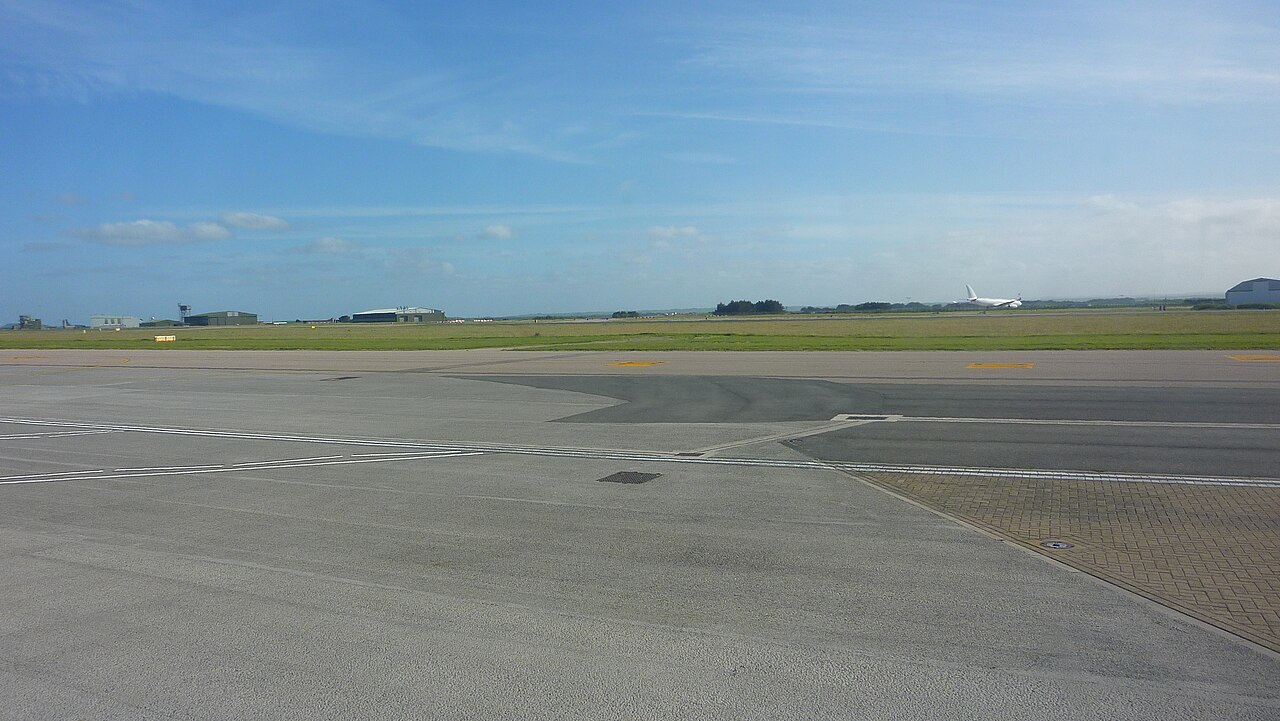
New Radar Infrastructure to Enhance Airspace Safety
A key element of the project involves improving airspace monitoring and management capabilities around Cornwall Airport Newquay. As part of the wider initiative, a specific operations risk assessment has been submitted to the Civil Aviation Authority (CAA).
If approved, the assessment would enable controlled airspace zones to be established off the Lizard Peninsula, creating designated areas where drones and other aircraft can be tested and operated safely. The additional radar coverage is expected to improve situational awareness for operators while supporting more complex flight operations, according to the BBC.
Airport leaders have outlined a long-term vision of positioning Cornwall Airport Newquay as a national hub for the development, testing and deployment of future aviation technologies.
Spaceport Cornwall Partnership Expands Drone Testing Opportunities
The radar upgrade builds on an existing collaboration between Spaceport Cornwall and the National Drone Hub, announced in December 2025. The partnership aims to make use of a dedicated section of airspace for testing uncrewed aircraft of various sizes and capabilities.
The National Drone Hub is recognised as the UK’s first Civil Aviation Authority-accredited drone test site and offers access to four runways alongside more than 3,000 square miles of segregated airspace off the Cornish coast. According to Cornwall Airport Newquay, the scale of the available airspace provides opportunities for testing larger and faster uncrewed aircraft, including advanced vehicles capable of operating at high and even supersonic speeds.
As demand grows for drone delivery services, autonomous aircraft and advanced air mobility solutions, the enhanced radar system is expected to play a vital role in supporting safe and efficient testing activities. The investment further strengthens Cornwall’s growing reputation as a centre for aerospace innovation and future flight technologies in the UK.
What do you think about the growing role of drones and uncrewed aircraft in UK aviation? Let us know in the comments below.